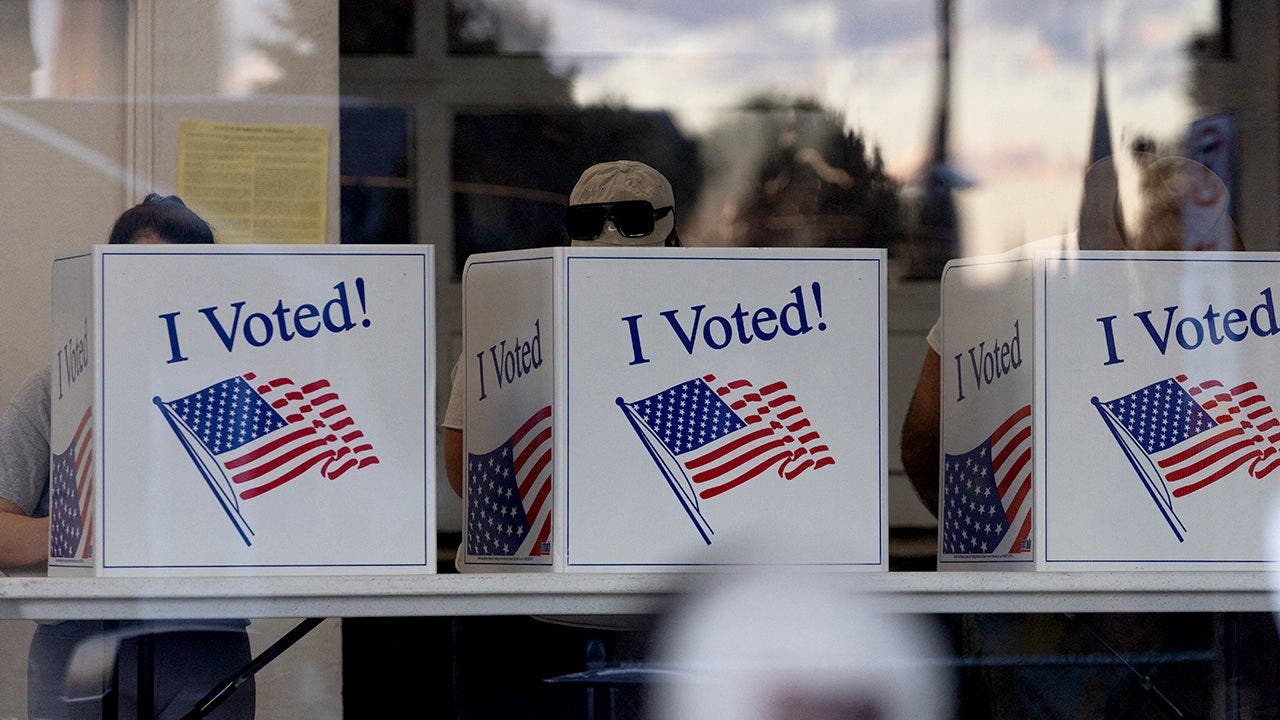
Cornell University is banning all parties at fraternity houses as the school faces backlash over its handling of an alleged sexual assault on campus two years ago.
Last month, a woman known as Jane Doe filed a lawsuit alleging she was plied with drugs and raped by several men in 2024 at a party at a Cornell fraternity house.
In a statement on Tuesday, Cornell's president, Michael Kotlikoff, announced a series of measures responding to the alleged assault, including the end to fraternity parties for the rest of the school year.
"I am deeply sorry for the harm Jane Doe suffered in 2024, and appalled that this act of sexual violence occurred within our Cornell community," he said.
To play this video you need to enable JavaScript in your browser.This video can not be played
Cornell students voice frustration at public hearing over rape case
"It is clear that women on our campus continue to question whether they are safe. We must meet this moment by acknowledging where we have fallen short and taking meaningful action," he added.
Fraternities have existed at university campuses across the US for decades and function as all-male social clubs where the students live, study and socialise. Over the years, the groups have become notorious for binge-drinking, partying and dangerous hazing rituals.
Cornell's president said anyone who violated the new fraternity party policy at the New York university would be suspended.
The school also said it planned to improve support for survivors of sexual assault, including more staff to help people report sexual misconduct and navigate other support systems as well.
Through Title IX, the federal law that governs how universities handle sexual assault claims, schools are required to provide measures of support to help survivors stay in school after assaults. Doe's lawyer has said she dropped out after the alleged assault.
Cornell case highlights 'draining' maze for victims to report campus sex assaults
The president said the school will allow New York State Police's trauma-informed officers to investigate allegations of sexual assault on its campus.
These officers will interview survivors who want to pursue criminal charges and prepare "comprehensive investigative summaries for the appropriate law enforcement agency", Kotlikoff said.
Cornell has faced criticism over the information shared with the local district attorney's office about Jane Doe's allegations.
Out of hundreds of documents that US media outlets have obtained from Cornell's investigation into the assault, Tompkins County District Attorney Matthew Van Houten said that in 2024, his office received only a six-page statement signed by the victim as well as Snapchat messages in which the men at the fraternity party advertised a free sexual encounter with Doe.
State officials have also criticised Van Houten's decision not to bring charges or interview victims and witnesses himself. New York Governor Kathy Hochul has appointed the state's attorney general, Letitia James, to investigate the case.
Kotlikoff said Cornell would be bringing in national sexual violence prevention experts to examine "the factors leading to campus sexual violence and strategies to promote responsible sexual citizenship".
He said the steps were the first toward "systematic change" on campus.
Cornell rape case accuser has received ‘threats’, attorney tells BBC Newshour
What we know about Cornell University frat house rape investigation