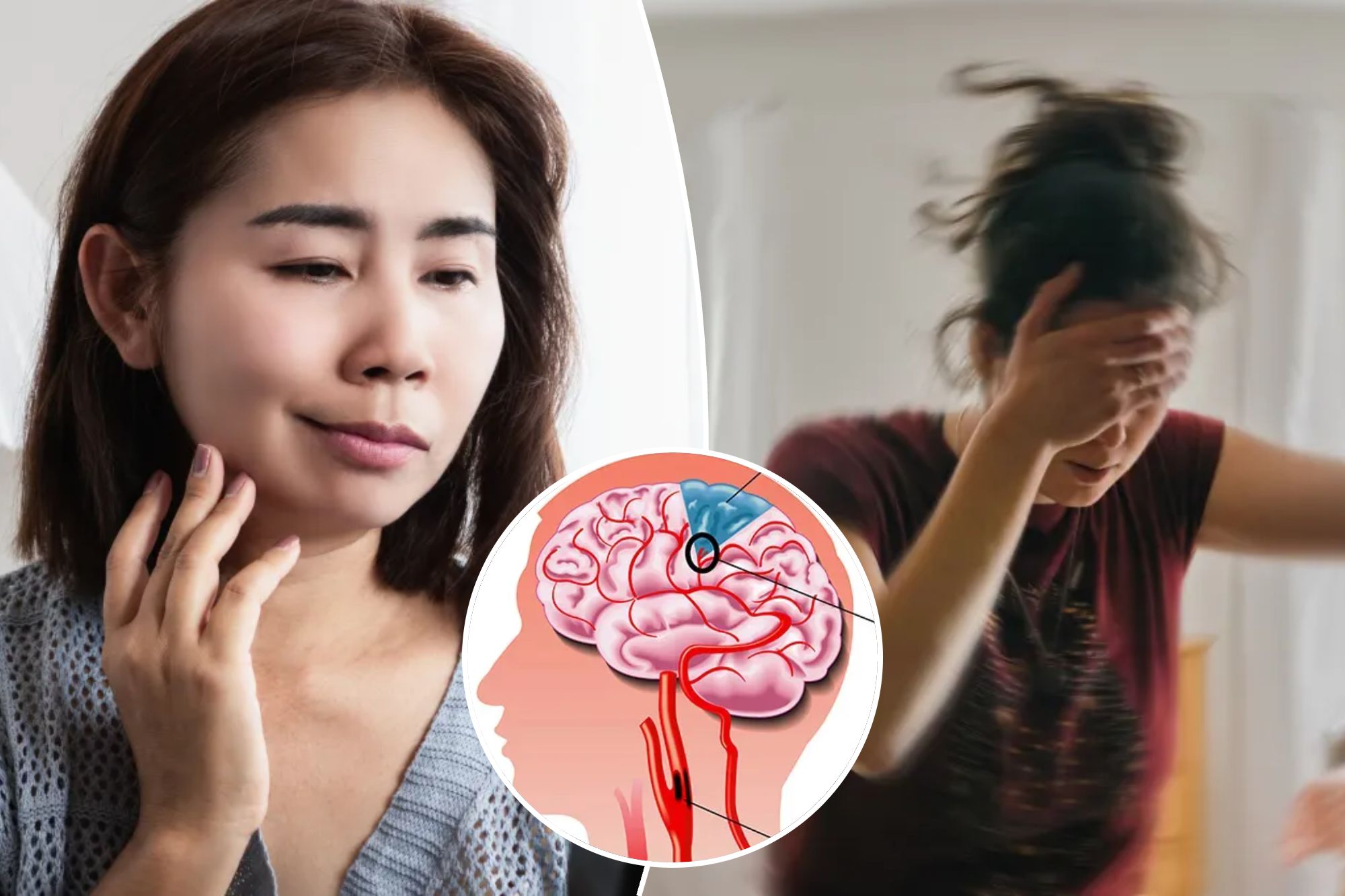
It’s known as a “mini” stroke — but a transient ischemic attack (TIA) is no small thing.
Though it typically lasts only a few minutes, this temporary blockage of blood flow to the brain can be an early sign that a full-blown, potentially disabling stroke is on the horizon.
“A TIA can be a blessing in disguise because it sends a warning that something isn’t right, so you can hopefully stop a stroke before it ever happens,” Dr. Mitchell S.V. Elkind, a professor of neurology and epidemiology at Columbia University, told Healthline.
That doesn’t mean it’s easy to spot. TIA symptoms often appear suddenly and disappear just as quickly, taking many forms that can easily be dismissed as less serious problems.
“I’ve treated people in their 20s who thought they were having a migraine, but they’d actually had a stroke,” Dr. Tom French, a stroke consultant for the National Health Service in Scotland, said in an interview with The Telegraph.
Here’s everything you need to know about TIAs — including the signs to watch for and the people most at risk — so you can potentially stop a small episode from turning into a life-changing medical emergency.
French describes it as a “heart attack of the brain.”
A TIA happens when blood flow to the brain is temporarily blocked, usually by a blood clot or a buildup of plaque in the arteries.
This can trigger a range of symptoms that usually disappear within minutes, as the clot or plaque causing the blockage often breaks up, moves or dissolves on its own.
Because the blockage is short-lived, blood flow is restored quickly, so the brain doesn’t sustain permanent damage. That’s why CT scans and other brain imaging tend to look normal after a TIA.
Across the country, at least 240,000 Americans suffer a TIA each year. Experts believe the actual number is higher, since many people don’t report symptoms that disappear quickly.
In one large survey, researchers at the American Heart Association found that a third of US adults have experienced symptoms consistent with a mini stroke — yet only 3% sought proper medical attention.
Without treatment, up to 20% of people who have a TIA will suffer a stroke within 90 days, and half of those strokes occur within the first two days of the TIA, according to the Cleveland Clinic.
Stroke is the fourth leading cause of death in the US, with someone dying from one roughly every three minutes.
It’s also the leading cause of long-term disability, reducing mobility in more than half of survivors 65 and older, per the CDC.
“I would say that basically all the same signs and symptoms of a stroke are the signs and symptoms of a transient ischemic attack,” Dr. Brandon Giglio, director of vascular neurology at NYU Langone Hospital—Brooklyn, told HuffPost.
Experts recommend memorizing the “BE FAST” acronym to quickly recognize the symptoms:
“If someone has any of those signs and they were abrupt in onset, I would advise them to go to the nearest emergency room,” Giglio stressed.
High blood pressure, Type 2 diabetes and high cholesterol are major risk factors, according to the Cleveland Clinic.
These chronic conditions can damage and weaken blood vessels, making them stiff, narrow and more likely to develop blockages.
Having atrial fibrillation (Afib) can also raise your risk, as this irregular heartbeat may cause blood clots to form. Other conditions that affect clotting, such as sickle cell disease, can increase risk as well.
Additional risk factors include obesity, smoking, alcohol use and recreational drug use. A family or personal history of strokes or TIAs can also put you at greater risk.
In general, the risk of TIAs and strokes increases with age, especially after 55. Men also have a slightly higher risk than women.
Fortunately, there are steps you can take to reduce your risk of a stroke or TIA. In particular, eight lifestyle changes can help protect your heart and brain.