The food and drink industry is already facing big rises in energy, transport and packaging costs. Photograph: geogphotos/AlamyView image in fullscreenThe food and drink industry is already facing big rises in energy, transport and packaging costs. Photograph: geogphotos/AlamyUK food inflation ‘could hit 9% this year’ as Iran war drives up energy pricesEven if cargo route of strait of Hormuz reopens soon, Food and Drink Federation almost triples earlier forecast
Food inflation could hit 9% in the UK this year, even if the strait of Hormuz opens within the next few weeks, figures suggest, as the war in Iran pushes up energy prices.
The Food and Drink Federation (FDF), which represents 12,000 food and drink manufacturers, has predicted that prices will rise by “at least” 9% by the end of 2026, almost tripling a forecast made before the Middle East conflict of 3.2%.
Dr Liliana Danila, the chief economist at the FDF, said the industry was already facing big rises in energy, transport and packaging costs, as well as disruptions across its supply chains.
“The current situation is unprecedented and hard to predict,” she said. “Given the scale and speed of these cost increases, and despite companies’ best efforts not to pass price increases on, it’s clear that food inflation is going to rise in the months ahead.”
The 9% forecast assumes that the key strait of Hormuz shipping channel will reopen to cargo traffic within the next two to three weeks, and the majority of major energy facilities, such as oil, gas and fertiliser sites, return to normal within a year.
The warning comes as the chancellor, Rachel Reeves, prepares to meet the bosses of the UK’s biggest supermarkets on Wednesday afternoon.
Reeves is expected to meet executives including the bosses of Sainsbury’s, Tesco and Morrisons to discuss the potential impact on the cost of living and possible supply squeezes triggered by the conflict in the Middle East.
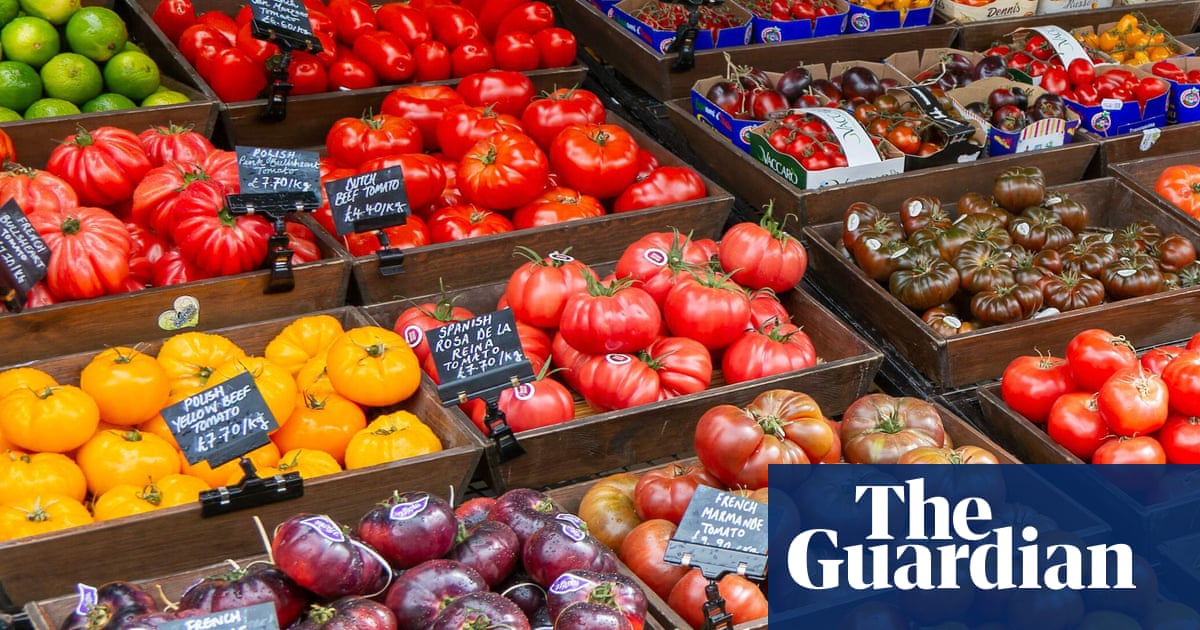
UK farmers and producers have warned that without government help there could be shortages of domestic tomatoes, cucumbers, peppers and aubergines.
Many businesses, which typically fix their energy contracts from April, will be hit by a sharp rise in costs from Wednesday. Household bills will fall until July but are then expected to jump.
The government is coming under increasing pressure to provide support on higher energy bills, although so far it has suggested that any help would be targeted for the most vulnerable households.
Reeves said in an interview with the BBC that the government was “looking at ways in which we can support people based on their household income”.
However, she did not commit to cutting fuel duty or VAT on petrol, warning that she had to be careful with promises to lower prices too much as it could then push up overall inflation, interest rates and taxes.