Israel’s Mediterranean gas fields shield it from energy shocks, yet wartime shutdowns and rising tariffs reveal hidden vulnerabilities
3-MIN READ3-MIN ListenAgence France-PressePublished: 2:43pm, 1 Apr 2026Iran’s chokehold on the Strait of Hormuz has thrown the global economic system into turmoil, yet Israel, which launched attacks on Tehran alongside the United States, has emerged as a rare exception.
Since Israel and its US ally started the Middle East war on February 28, economies from Asia to Europe and the US have come under pressure from surging oil and natural gas prices that have driven up fuel and electricity costs.
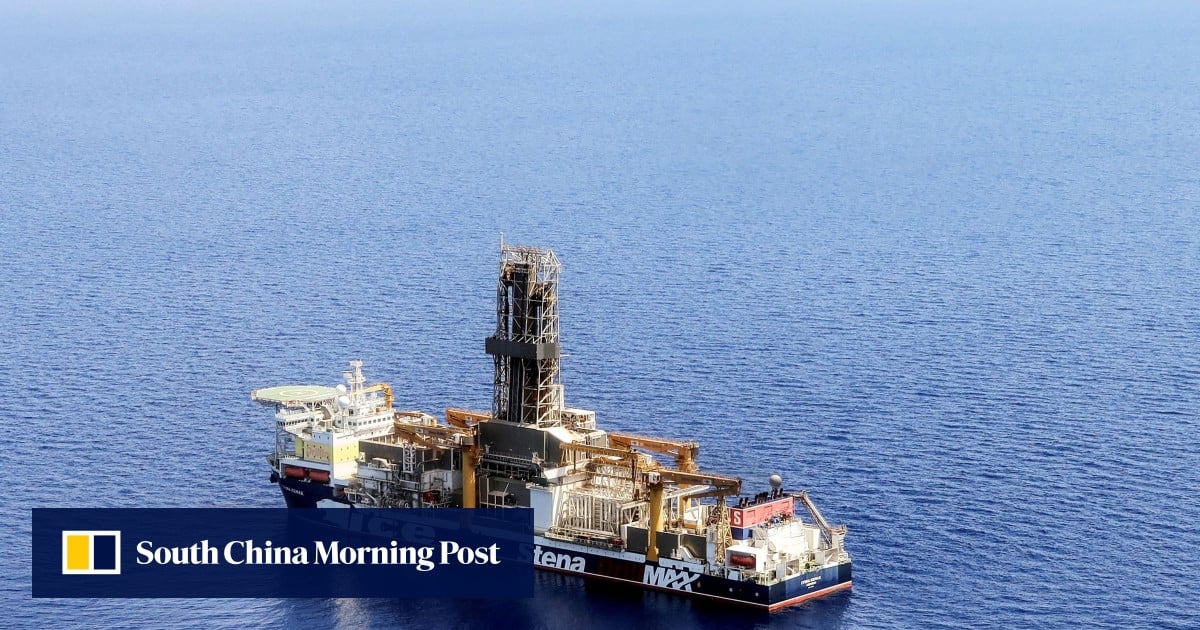
Israel, however, has remained largely insulated from the shock. Central to this has been a trio of major gas fields sitting deep below the Mediterranean.
“The discovery of offshore natural gas has allowed Israel to be in a situation where it isn’t feeling the economic pinch on the energy front the way that other countries are,” said Gabriel Mitchell, energy security analyst and Visiting Policy Fellow at the German Marshall Fund.
Natural gas, all of which comes from those three fields, now accounts for 70 per cent of Israel’s electricity generation and 45 per cent of its total energy supply, according to the International Energy Agency.
The sale of that gas is governed by long-term, fixed-price contracts which have helped keep prices steady despite the war.