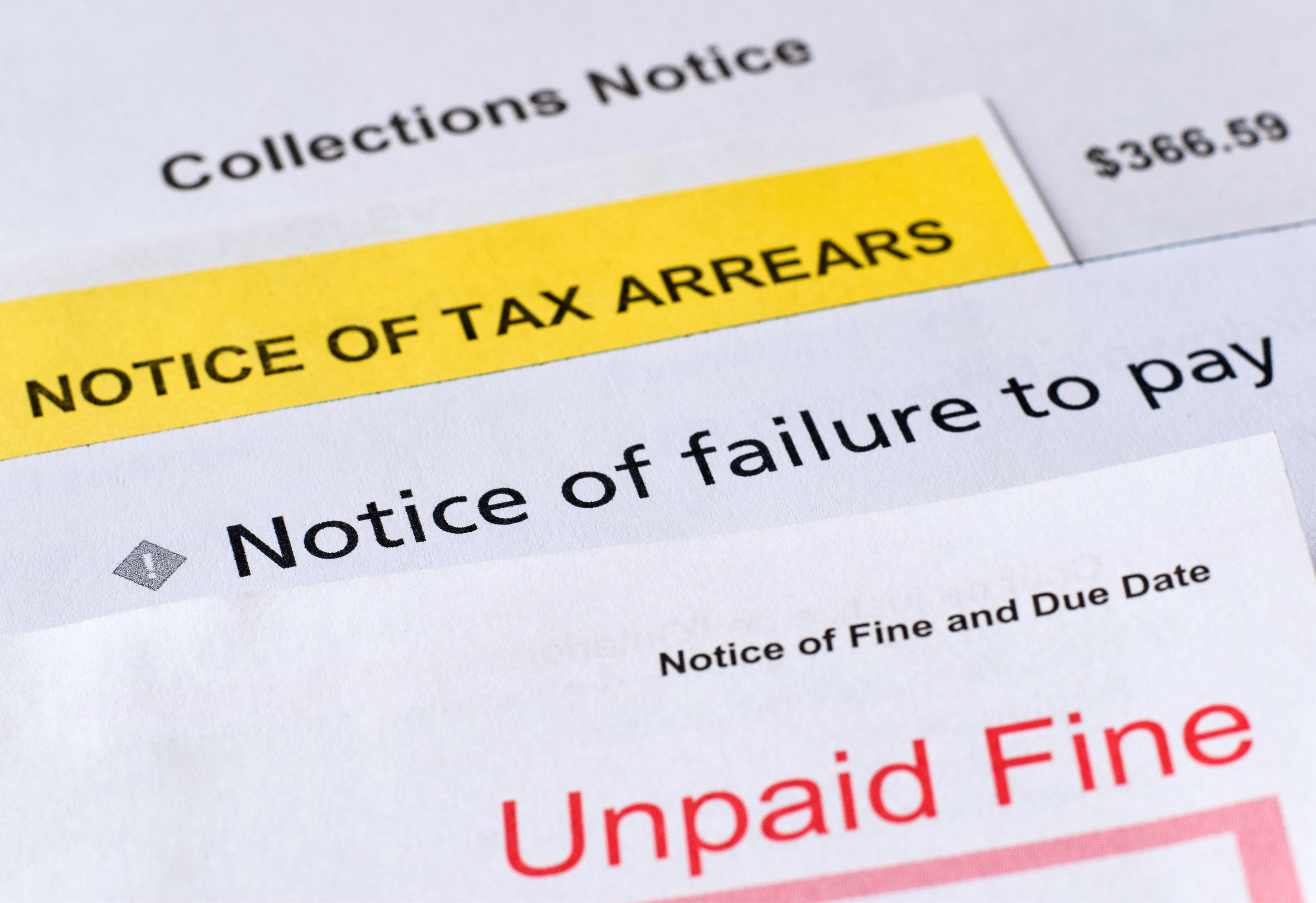
Julia - stock.adobe.com If you’re sitting on a stack of unopened letters from the Department of the Treasury, you’re playing a losing game of chicken with the worst possible opponent.
Let’s face it: Money is tighter than a drum right now. Inflation has turned the weekly grocery run into a financial crisis and tax season is looming. But the Internal Revenue Service doesn’t care if your transmission just blew or your rent went up.
Uncle Sam wants his cut, and the feds have the unique, terrifying legal power to reach directly into your paycheck and take it.
But here is the open secret: The agency is actually pragmatic. There comes a point where even the IRS realizes it’s chasing a ghost.
When your debt severely outweighs your actual ability to pay, the conversation at the IRS shifts from “How much do you owe?” to “How much can we realistically squeeze out of you?” The government has specific relief programs that can legally slash or pause your debt. The catch? You have to know how to navigate a bureaucratic nightmare to get them.
This is where leaning on tax relief experts, like TaxRise, can mean the difference between getting a clean slate and watching your wages get garnished. Knowing the specific, rigid math of IRS eligibility matters way more than the scary number printed on your bill.
Here is how the system actually works, and how to use it to save your wallet.
Ignoring the problem just makes it exponentially more expensive.
The government knows you can’t get blood from a stone. They’ve structured programs to handle unpaid taxes – some wipe out debt, while others just stop the bleeding.
The IRS is strictly a numbers operation. They do not care about your sob story. They care about the math.
They are going to comb through your current income, your allowable living expenses and your assets, including your home, savings and investments.
The golden rule: If you have low income and high expenses, your odds of getting relief are solid. If you have a fat savings account or a boat sitting in the driveway, your chances of a debt reduction are virtually zero. The feds expect you to liquidate your toys before they take a loss on your taxes.
Getting relief means playing by their rigid, exhausting rules.
Beware the snake oil: The tax relief industry is swarming with predators. If a company guarantees they can settle your debt for “pennies on the dollar” before they’ve even looked at your pay stubs, they are lying to you. Full stop. And if anyone calls you demanding immediate payment via a prepaid gift card while threatening to send the local police, hang up. That’s not the IRS, that’s a scam.
The IRS has massive, unmatched collection power, but they also have established escape hatches for people who legitimately cannot pay. Ignoring the problem guarantees frozen bank accounts and gutted paychecks.
Review your eligibility, get your unfilled returns submitted and if the red tape is too dense, bring in a proven firm like TaxRise to force the feds to the negotiating table.
Yes, but only through programs like the Offer in Compromise, and you have to meet their strict, mathematically proven financial hardship criteria.
Full forgiveness is incredibly rare. Usually, they reduce penalties or settle for a lower amount based on what you can afford.
You can fill out the paperwork yourself, but if your case is complex or you owe a massive amount, you are generally much better off using a CPA, tax attorney, or a specialized relief firm to handle the negotiations.