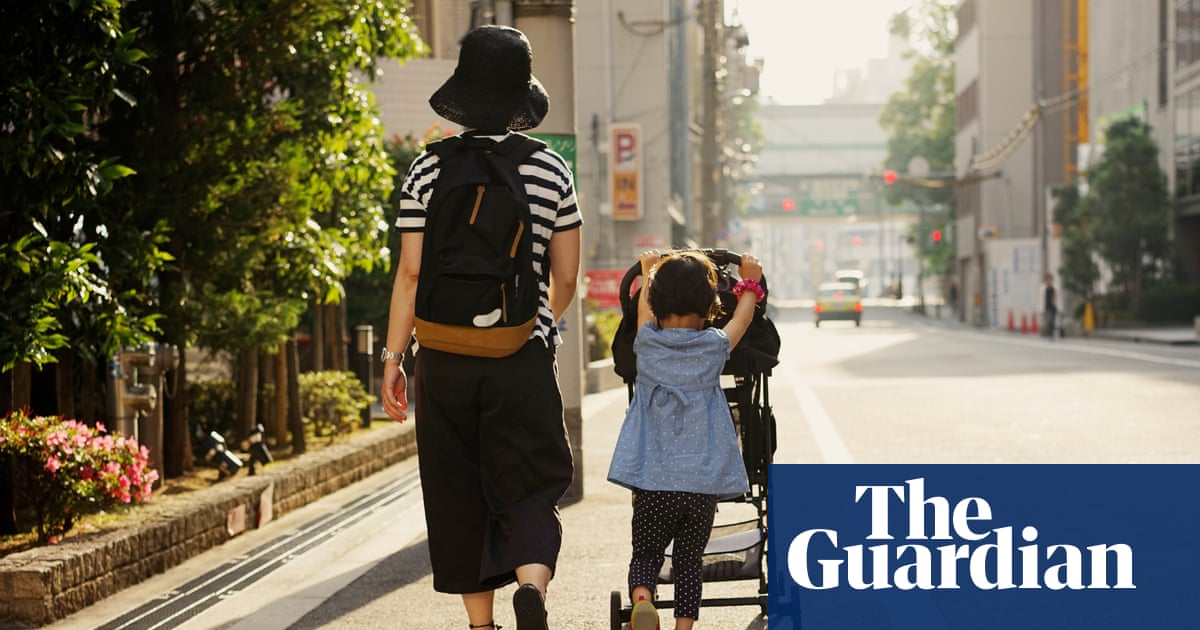
Divorced couples in Japan will be able to negotiate joint custody of their children for the first time from Wednesday. Photograph: ken_oka/Getty ImagesView image in fullscreenDivorced couples in Japan will be able to negotiate joint custody of their children for the first time from Wednesday. Photograph: ken_oka/Getty ImagesJapan allows divorced couples to negotiate joint custody of children for first timeThe new rules are the first major change to the country’s laws governing child-rearing in more than a century
Divorced couples in Japan will be able to negotiate joint custody of their children from Wednesday, in the first major change to the country’s laws governing child-rearing in more than a century.
Previously, Japan’s Civil Code required couples to decide which parent would take custody of their children when they divorce.
But pressure from critics, who say the tug-of-war between parents caused children psychological harm and unfairly punished the “left-behind” parent, culminated in a 2024 parliamentary vote to change the law.
Read moreUnder the amendment, parents will be able to decide whether to arrange for joint or sole custody of their children. In cases in which a divorce has been finalised and sole custody already granted, parents can petition a family court to change the agreement, the Asahi Shimbun reported.
The revision – the first of its kind since marriage arrangements were codified in the Civil Code in the late 1800s – calls on parents to respect each other’s positions and cooperate “in the best interests of their child”.
The legal change brings Japan – the only G7 member that did not legally recognise joint custody – into line with most other countries, where collaborative child-rearing after divorce is commonplace.
Supporters of the change said the previous system prevented the non-custodial parent from playing a role in important decisions affecting their children, including their choice of school, where they live and whether or not they receive vaccinations.
Critics, however, say that joint arrangements could allow an abusive former spouse to exploit greater access to continue abusing their former partner or child.
Others have said the revision places too much power into the hands of family courts, which will be called on to rule on custody arrangements when divorcing parents are unable to decide themselves.
Emi Ishikawa, a domestic abuse survivor, told the Japan Times she had fled from her marriage five years ago when her son was a year old, and now fears that her ex-husband could exploit a provision allowing parents who divorced before 1 April to apply for joint custody.
Although family courts are not permitted to grant joint custody when abuse is cited as a factor in a divorce, Ishikawa, who did not want to use her real name, was not reassured.
“To be honest, I am truly scared,” she said. “For the next 12 years [until her child reaches adulthood], I will have to live in fear of when my ex-husband might file for joint custody.”
Under the current system, mothers were granted custody in 85% of cases, according to health ministry data from 2020.
The sole custody system has drawn criticism from divorced parents, including foreign nationals who struggle to maintain relationships with their children if their former partner takes them back to Japan.
About 200,000 children in Japan are affected by divorce every year – double the number of 50 years ago. A 2021 government survey found that one in three children with divorced parents said they eventually lost contact with the non-custodial parent.