ShareSaveAdd as preferred on GoogleKevin PeacheyCost of living correspondentGetty ImagesSeveral household bills have gone up in April - although energy costs have fallen for now.
At the same time, minimum wage has gone up and and there are upcoming increases in benefits for many lower-income billpayers.
Prescription charges in England have also been frozen, and councils will be able to give cash payouts people struggling with the rising cost of living from a Crisis and Resilience Fund.
Here's a guide to the bill changes and how they affect you.
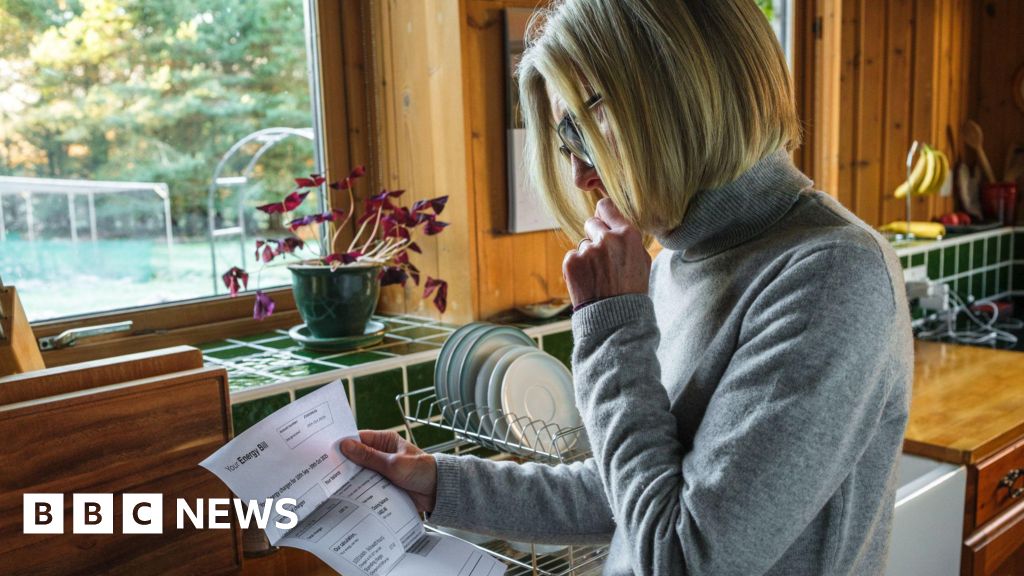
Typical household energy bills have fallen by 7% between April and July, following a shake-up in charges by the government.
Nearly everyone in England, Wales and Scotland is benefiting from the cut irrespective of their tariff, although the amounts will vary between households.
For a household on a tariff governed by regulator Ofgem's price cap, and using a typical amount of gas and electricity, the annual bill will drop to £1,641.
The bill drop will only be temporary. The impact of the Iran war means that prices will increase sharply in July.
The latest forecast by analysts at energy consultancy Cornwall Insight suggests the household with typical energy use will pay £1,929 a year from July, an 18% rise.
Council tax is a compulsory charge on properties in England, Scotland and Wales.
It is rising by an average of 4.9% for households in England. That means the average council tax for a Band D property in England will increase to £2,392 a year, up £111 on last year.
Many councils are allowed to increase bills by up to 5%, but seven have been given government permission to implement bigger hikes to help address a "challenging financial position".
There are some exemptions and discounts, for example for someone living alone and homes occupied only by students, which helps lower the cost for some.
A host of local authorities in Scotland have increased council tax sharply.
Wales now sees a 4.9% average increase in council tax.
Northern Ireland uses a domestic rates system instead of council tax. All of Northern Ireland's councils have reported increases in their district rates.
The average annual water bill in England and Wales has increased by £33 to £639, according to industry trade body, Water UK.
The amounts vary sharply in different areas, and come after hefty rises in large parts of the country a year ago.
Water bills in Scotland have risen by an average of £42 a year (up 8.7%), taking the average bill to £532 a year.
Consumer groups say people can cut bills by checking if they are eligible for discounted tariffs, trialling a water meter, and by saving water, for example, by setting a time limit on showers.
BT, EE, Plusnet and Virgin Media are all hiking broadband prices by £4 a month, Sky by £3, and Vodafone by £3.50 - adding nearly £50 per year to bills.
Additionally, one in four broadband customers are out of contract, paying up to £9 per month more than those in contract.
Mobile phone providers also tend to have mid-contact price rises written into contracts, so many billpayers face increases.
The cost of a TV licence has increased from £174.50 to £180 a year.
Standard Vehicle Excise Duty (VED), for cars registered after April 2017, has increased from £195 to £200.
The exact amount for your vehicle excise duty will depend on the year your car was registered.
It applies to all fuel types, including electric vehicles which lost their tax-free status last year.
In addition, an annual supplement of £440 should be paid on cars with a list price of more than £40,000, or £50,000 for EVs.
Air Passenger Duty is a tax on flights which depart from the UK, paid by aircraft operators. The cost is usually passed onto passengers with their ticket price.
The duty is increasing across most fare bands, with different amounts charged dependant on the distance of the flight.
The government has kept in place the freeze on tax thresholds on income tax.
This means more people start paying tax - or move into higher tax brackets - as wages rise.
The Conservatives initially froze thresholds until 2028-29 and then in November Labour extended that until 2031.
The move raises additional revenue to pay for public services but is often called a stealth tax by economists because it increases the tax take without a government having to put up rates.
The BBC has created a calculator to see how your pay could be affected.
The calculator applies to employees in England, Wales and Northern Ireland. Tax bands in Scotland are different, and self-employed workers are taxed differently.