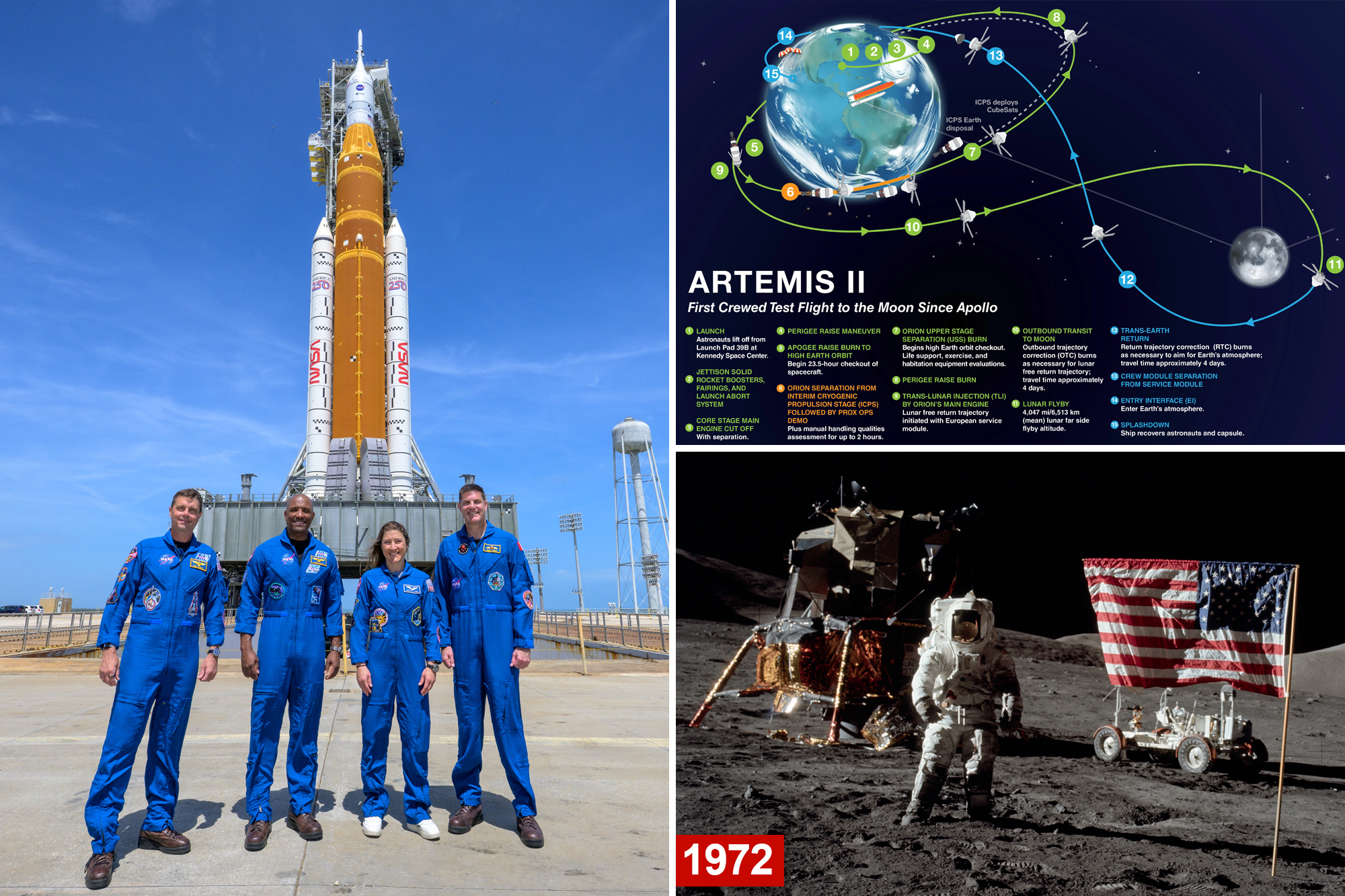
Artemis II is ready for blast off on Wednesday — sending astronauts around the moon for the first time in more than half a century.
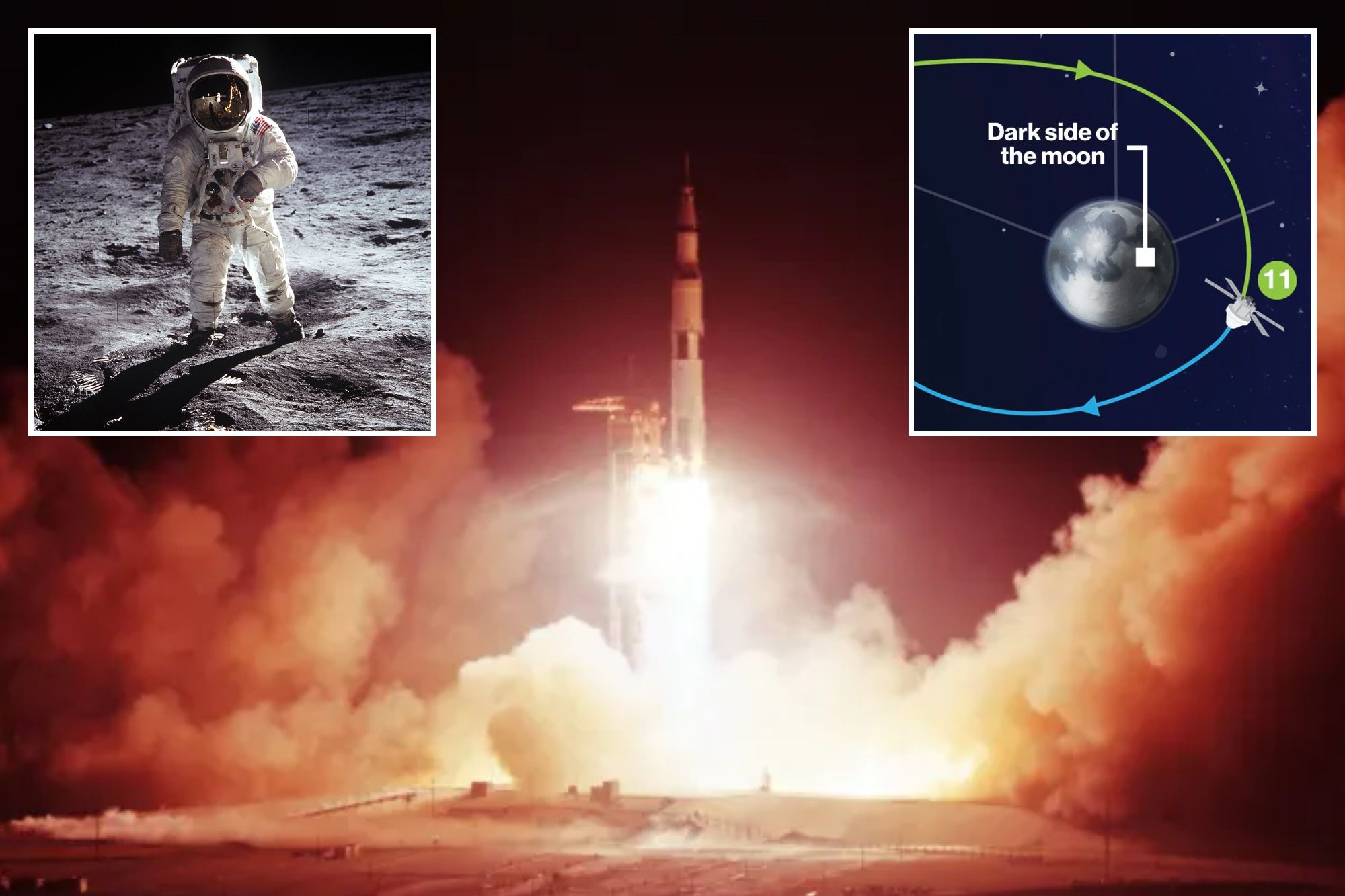
The US shattered mankind’s limits when its astronauts landed on the moon in 1969, with NASA’s Apollo missions sending two dozen astronauts to the heavenly body, 12 of whom walked on the lunar surface.
The Apollo missions lasted more than three years, cementing America’s scientific dominance before the lunar landing program came to an end in 1972.
Since the final Apollo mission, no human has ever set foot on the Moon’s surface again.
So why has it taken so long for America to go back?
NASA had initially anticipated nine missions to the moon, but the agency was forced to cancel three and shutter its lunar launch program in 1972 due to budget constraints.
The limit on the Apollo missions was made evident following the second moon landing with Apollo 12 on Nov. 14, 1969.
A month after the mission, one of then-President Richard Nixon’s top aides told NASA that “the president says that he doesn’t have enough money within the next couple of years and must accept limitation of [space] activity,” wrote John Logsdon, the former director of the Space Policy Institute at George Washington University and former NASA Advisory Council member.
NASA’s budget shrank by 15% to $3.3 billion the following month, with the risks of the missions made evident during the near-fatal Apollo 13 mishap later in the year.
(You probably know Apollo 13, that one became a Tom Hanks movie.)
With America’s victory in the space race already secured, the lack of interest in the moon and funding ultimately left the US with no reason to return.
America’s last trip to the moon came during the Apollo 17 mission on Dec. 7, 1972.
It was the 11th and final mission of NASA’s Apollo program, which took astronauts Gene Cernan, Harrison Schmitt, and Ron Evans to the moon.
Cernan and Schmitt were the last to set foot on the lunar surface, with Evans piloting the ship as it orbited around the moon. The men returned to Earth on Dec. 19, 1972.
After nearly 54 years after the final Apollo mission, NASA aims to return to the moon as part of its new Artemis program, seeking to establish America’s space dominance.
Start your day with all you need to know Morning Report delivers the latest news, videos, photos and more.
Much like with the first lunar voyage that was sparked as part of the great space race with the Soviet Union, the US is now competing with China.
China has made leaps in its space program, landing rovers and robots on the moon, with Beijing aiming to get its astronauts on the moon by 2030.
It is now an effective race to the moon to secure lunar real estate as the Artemis program aims to eventually establish an American base on the moon.
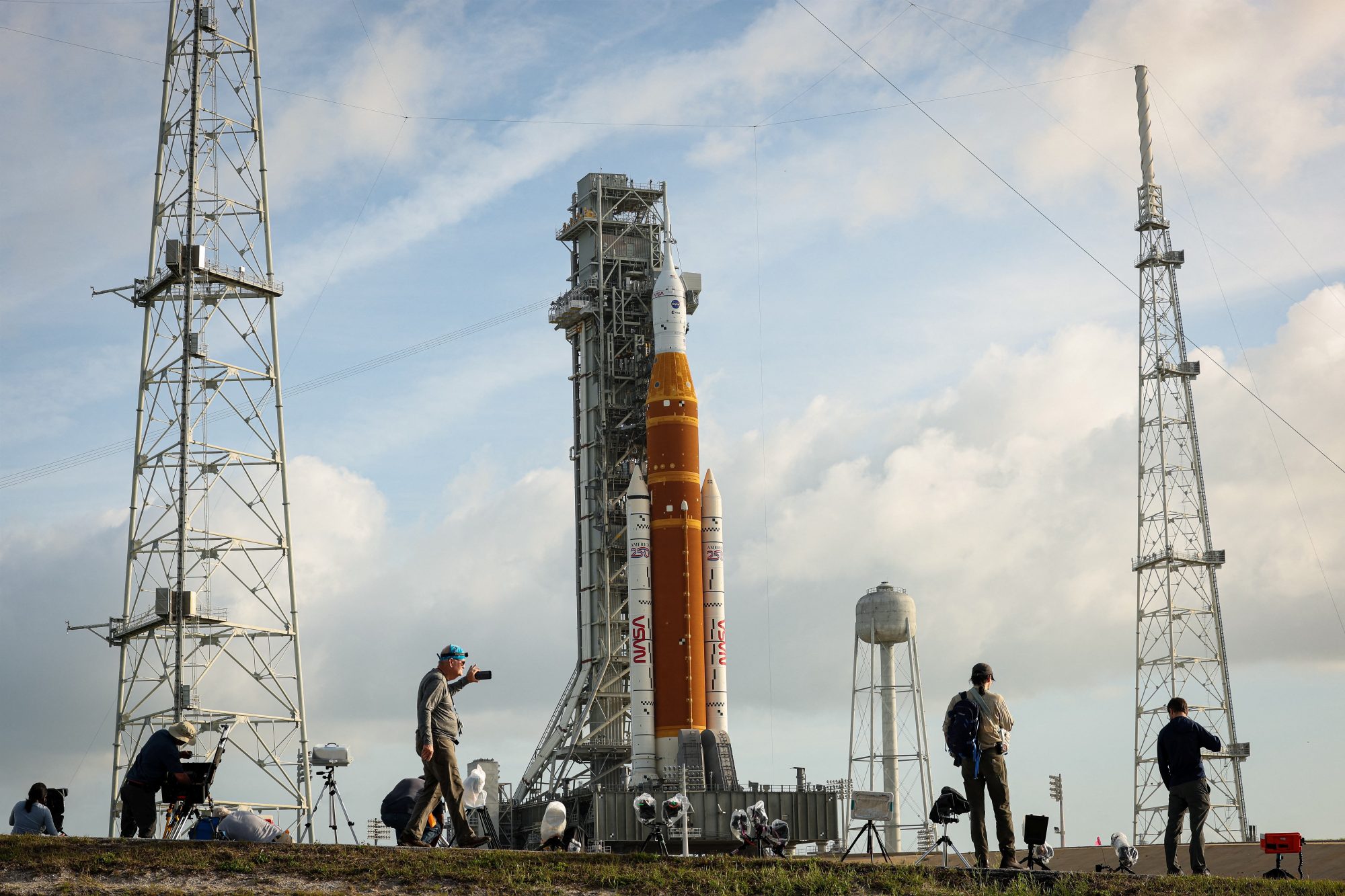
NASA is currently eyeing the blast off date for the Artemis II mission on Wednesday, April 1.
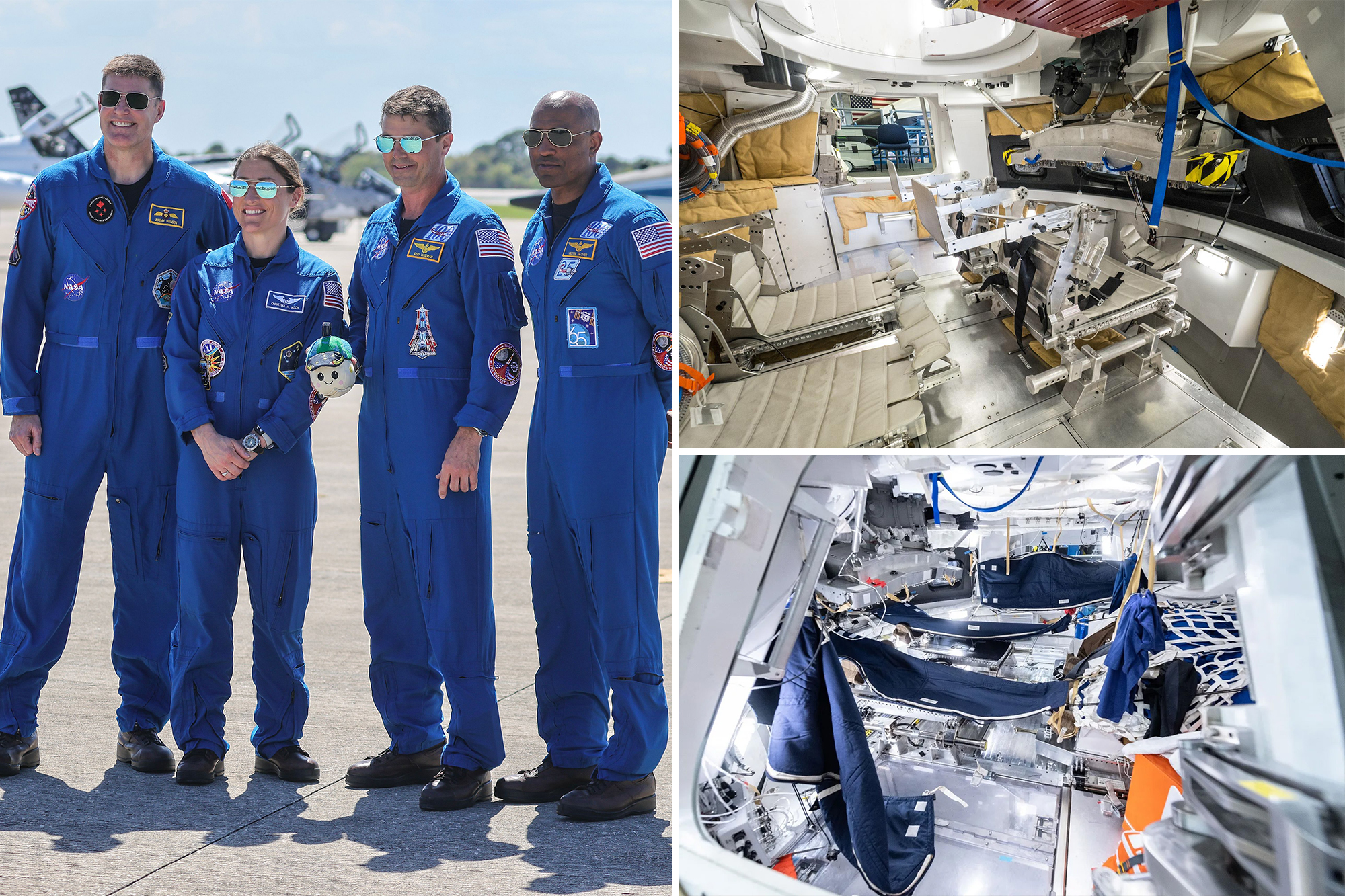
The mission would see NASA commander Reid Wiseman, pilot Victor Glover, and mission specialists Christina Koch and Jeremy Hansen fly a 10-day trip around the moon.
The astronauts will have just 330 cubic feet of habitable space, roughly the size of two minivans, during the mission.
If successful, the trip will pave the way for humans to return to the moon in 2028.