Microsoft reveals Maia 300 AI chip, as it works to reduce dependence on Nvidia, AMD Daniel Howley · Technology Editor Mon, October 12, 2026 at 9:00 AM EDT 2 min read MSFT +0.52% NVDA -0.34% AMD -1.71% Explore stocks on Coinbase Trading disclosure Trading disclosure The above button links to Coinbase. Yahoo Finance is not a broker-dealer or investment adviser and does not offer securities or cryptocurrencies for sale or facilitate trading. Coinbase pays us for certain activity generated through this link. Prices displayed are informational.
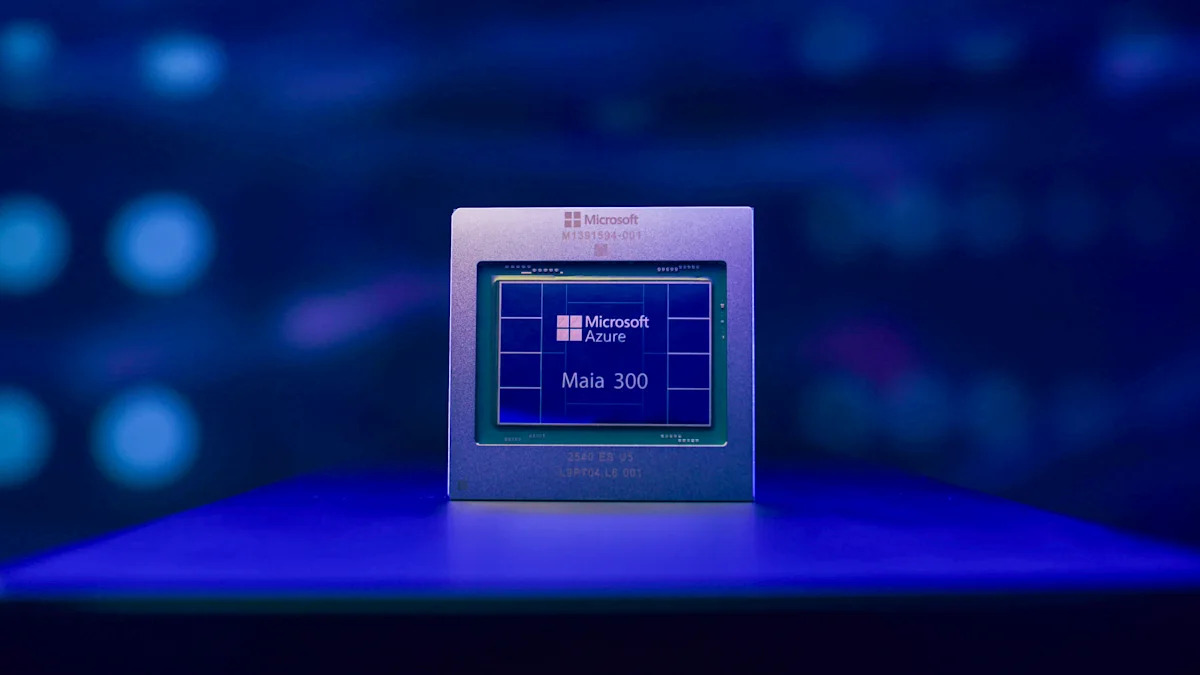
Microsoft (MSFT) has debuted its latest AI chip, the Azure Maia 300, as it looks to reduce its reliance on third-party processors from the likes of Nvidia (NVDA) and AMD (AMD).
Unveiled at the OCP Global Summit 2026 in San Jose on Monday, the Maia 300 will join Microsoft's Maia 200 and Maia 100 chips as part of what the company says will be multi-gigawatt deployments beginning next year.
That, the Windows maker says, will make its Maia chips the "primary AI inference system for Microsoft products and services."
The company says its Maia 300 provides 40% more tokens per megawatt than "leading GPU-based systems," a clear swipe at Nvidia, and that a 96-chip rack offers 7x the rack-scale token throughput of its Maia 200.
Tokens are a basic unit of measurement in AI systems that can represent parts of words, images, and videos.
The more tokens per megawatt, the more efficient an AI rack.
The Maia 200, meanwhile, currently powers its Microsoft production workloads, including Microsoft 365 Copilot, and powers OpenAI models, Microsoft's MAI models, and open-source models. That, the company says, provides 1.7 times more tokens per watt for AI capabilities in its Teams, Copilot, and Cowork software versus other GPU-based systems.
Microsoft and its fellow hyperscaler peers Amazon (AMZN), Google (GOOG, GOOGL), and Meta (META), as well as AI labs OpenAI (OPAI.PVT) and Anthropic (ANTH.PVT), either already offer or are working on their own custom chips.
Doing so acts as a hedge against becoming overdependent on processors from Nvidia and AMD. Producing their own semiconductors also allows companies to tailor them to their specific needs.
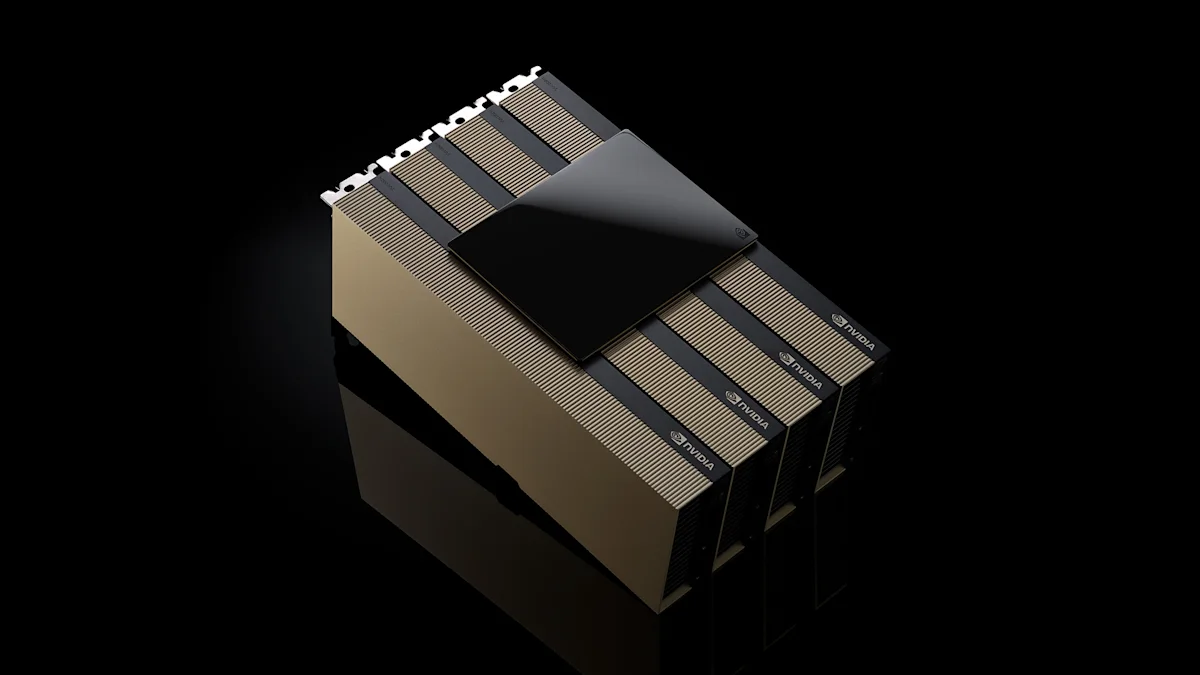
Go deeper with AlphaSpace 537.86 +2.79 (+0.52%) As of 9:30:03 AM EDT. Market Open. That's a potential problem for Nvidia, which regularly generates upwards of 50% of its quarterly revenue from hyperscalers.
On top of that, Amazon and Google now rent out their custom chips to third-party customers, a direct threat to Nvidia's business. What's more, Amazon is looking into selling chips for customers to install in their own data centers rather than running them from Amazon's own facilities.
That doesn't necessarily mean that hyperscalers will stop purchasing Nvidia chips entirely, though. Customers still want access to a number of chips for different workloads, meaning the Amazons and Microsofts of the world will need to continue to stock up on the most in-demand processors.
Email Daniel Howley at dhowley@yahoofinance.com. Follow him on Twitter at @DanielHowley.
For the latest earnings reports and analysis, earnings whispers and expectations, and company earnings news, click here
Read the latest financial and business news from Yahoo Finance