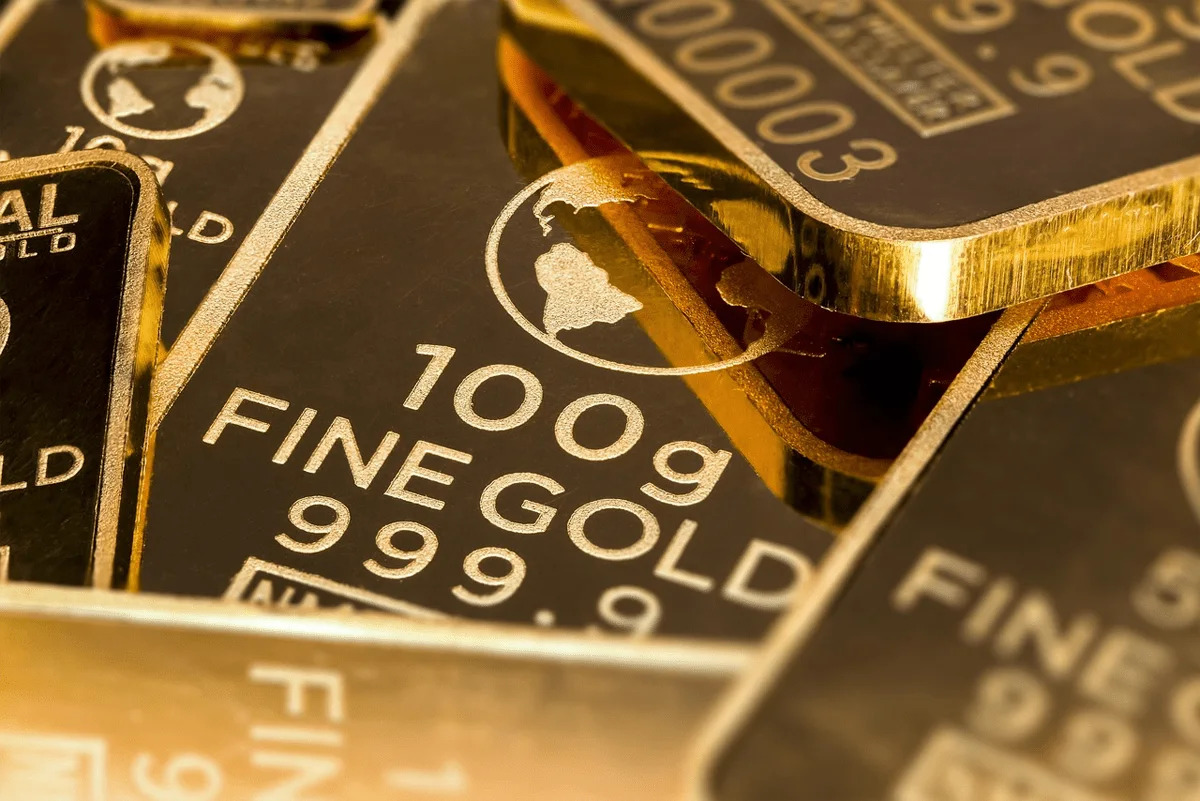
Gold Prices Decline as US Dollar Strengthens and Investors Assess Geopolitical Risks Fiona Craig Mon, October 12, 2026 at 6:18 AM EDT 3 min read GC=F -0.30% DX-Y.NYB +0.16% PA=F +0.79% SI=F -0.10% PL=F +0.56% Fine gold ©Hamiltonleen Gold prices fell on Monday as the US dollar strengthened, while investors assessed developments surrounding a proposed energy ceasefire between Russia and Ukraine, renewed attacks in the Middle East and the outlook for global inflation and interest rates.
At 05:01 ET (09:01 GMT), spot gold (XAU/USD) declined 0.5% to $4,174.23 per ounce, while gold futures fell 0.4% to $4,198.05.
Other precious metals also traded lower. Spot silver (XAG/USD) dropped 0.5% to $60.5075 per ounce, platinum (XPT/USD) declined 0.3% to $1,684.41, and palladium (XPD/USD) slipped 0.2% to $1,150.30. Palladium futures edged higher to $1,150.75.
The US dollar index advanced 0.1% to 102.31, adding pressure to dollar-denominated commodities. Gold had gained 1.3% during the previous week.
US President Donald Trump announced that an energy ceasefire between Russia and Ukraine had taken immediate effect, raising expectations of a possible reduction in disruptions to global fuel supplies.
Trump had previously called on Ukrainian President Volodymyr Zelenskyy to halt attacks on Russian oil refineries and said Moscow had agreed to release additional diesel supplies into international markets.
However, the ceasefire announcement had not been independently confirmed by both Russia and Ukraine, leaving uncertainty over whether attacks on energy infrastructure would stop.
Meanwhile, renewed violence in the Middle East continued to raise concerns about regional energy security.
King Khalid International Airport in Riyadh, Saudi Arabia, was reportedly targeted by Houthi forces on Sunday, following an attack on Saturday that killed 12 people and injured more than 300.
The Saturday incident was reported as the deadliest attack in Saudi Arabia since the conflict involving Iran began in late February.
The Houthis described their operations as retaliation for what they characterised as Saudi aggression, including an attack on the airport in Yemen's capital, Sanaa.
The incidents have increased concerns about the potential for further regional disruption, particularly if attacks affect energy production, transportation or export infrastructure.
Although crude oil prices have recently eased, gold has declined by approximately 20% since the beginning of the US-Iran conflict in late February.
Higher energy costs can contribute to broader inflation pressures, potentially influencing central bank interest-rate decisions.
Rising interest rates can reduce the relative appeal of gold because the metal does not generate interest income, while bonds and other interest-bearing assets may offer higher yields.
Analysts at ANZ said investment demand has provided support for gold prices despite uncertainty surrounding inflation and monetary policy.
According to Bloomberg data cited by the bank, inflows into gold-backed exchange-traded funds have reached their highest level in four years.
ANZ linked increased investor interest to concerns about public finances, including government debt-servicing costs and the growth of money supply.
Central bank purchases have also remained a source of demand for the precious metal.
The People's Bank of China increased its gold reserves by 740,000 ounces in September, extending its consecutive monthly purchases to 23 months.
However, ANZ cautioned that inflation risks could limit further price increases if persistent price pressures lead the US Federal Reserve to tighten monetary policy.
Higher interest rates could increase the attractiveness of yield-bearing investments relative to gold.
Investors will continue to monitor developments in the Russia-Ukraine conflict, Middle Eastern energy supplies and upcoming economic indicators for their potential influence on inflation expectations and central bank policy.