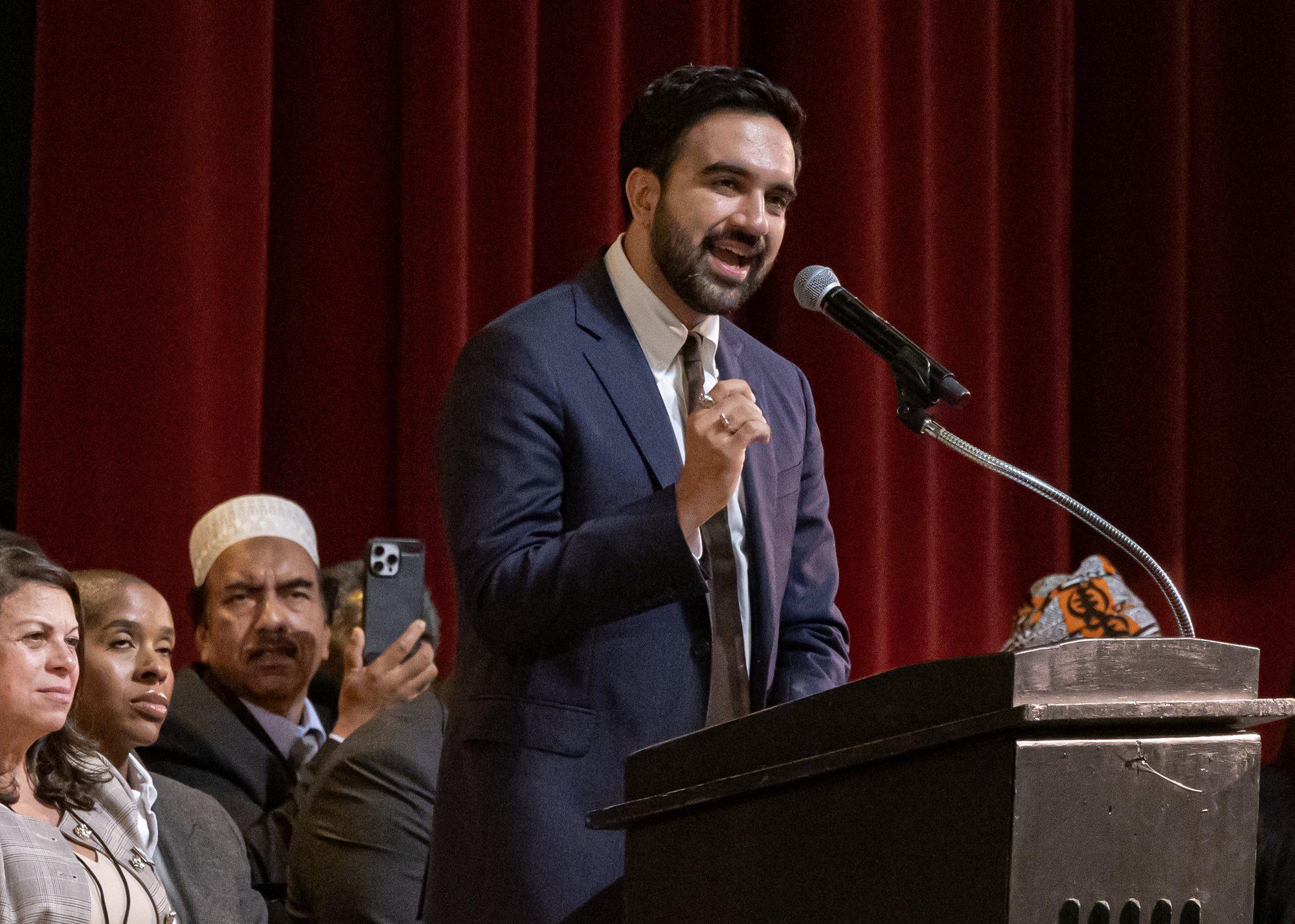
Make New York Post a Preferred Source New York City Mayor Zohran Mamdani attends the "Keep the Deal: Mayoral Accountability Assembly," hosted by Metro IAF New York at Queens College. Kevin C. Downs for NY Post Just three months ago, Zohran Mamdani declared New York City “OPEN for Small Business.”
Last week Mamdani backed the People and Organizations Winning Economic Relief Act, or POWER — a new City Council bill that would create a sweeping new municipal right to sue businesses.
New Yorkers can already file claims based on state law for a business’ unlawfully deceitful acts, and the attorney general can prosecute businesses for unfair and abusive practices.
POWER, however, would allow private plaintiffs to sue over “unfair methods of competition” and any “unfair, deceptive, abusive or unlawful acts or practices in or affecting business, trade or commerce.”
Above all, it promises to be a windfall for plaintiffs’ lawyers: Claimants can sue for themselves, for other New Yorkers or for the general public, and the bill defines “injury” so broadly that it’s lost its true meaning.
City Hall is advertising litigation as a weapon against large predatory corporations, but the fine print tells a different story.
POWER would cover businesses with as few as five employees — yet Mamdani’s “OPEN” agenda defined a small business as one with up to 50 employees.
Back in July the mayor even conceded that confusing rules and punishment-first enforcement are driving the city’s business owners crazy — and promised clearer standards and a fair chance to correct honest mistakes.
But POWER exempts businesses only if they’re independently owned, earn less than $5 million a year and employ no more than four people.
Hire a fifth worker, and a mom-and-pop shop suddenly becomes a corporate villain and a deserving lawsuit target.
NYC’s latest jobs count found that 59,640 private-sector firms had five to 49 employees, supporting nearly 787,580 jobs.
All of them meet POWER’s headcount bar, even though Mamdani’s own administration called them small businesses just a few months ago.
If POWER passes, plaintiffs may be awarded damages equal to $2,500 for each “violation” — and of course, the bill’s language leaves the definition of “violation” intentionally vague.
Worse, the bill allows claims based on injuries that are neither financial nor quantifiable, including the loss of time and privacy, and other harms to security and emotional well-being.
Nonprofits could also sue on behalf of members of the public.
Prevailing plaintiffs would receive attorneys’ fees, creating a powerful incentive to turn regulatory disputes into private litigation.
Businesses would get 10 business days’ notice of a “violation” before being sued — an extremely tight deadline for city businesses that operate on small margins.
In sum, POWER invites plaintiffs and their attorneys to file thin claims and pressure small, unwitting businesses into paying modest settlements, a recipe for endless legal shakedowns.
The legislation bears the fingerprints of Washington’s regulatory left.
One of its champions, Consumer and Worker Protection Commissioner Sam Levine, ran the Federal Trade Commission’s Bureau of Consumer Protection under notoriously anti-business former chair Lina Khan.
POWER directs courts to consult the Khan FTC’s sweeping 2022 unfairness statement, which targets allegedly “coercive, exploitative, collusive, abusive, deceptive, predatory” corporate behavior.
It also invokes a 2023 Consumer Financial Protection Bureau policy statement the agency withdrew in 2025.
Federal guidance may die in Washington, but under Mamdani it can return as a New York City lawsuit.
Yes, fraud occurs, and government can’t always catch it.
But the city is hardly the enforcement-free zone Mamdani and his aligned councilmembers want you to believe it is.
Consumers can already bring outright deceptive claims to the state attorney general, and Levine’s DCWP has the power to investigate businesses and seek restitution.
If genuine gaps do remain where workers are being harmed, the mayor can call on public officials like Attorney General Letitia James and the city’s district attorneys to do more.
But with POWER, Mamdani aims to deputize private lawyers and activist groups as enforcers, lowering the bar for liability while raising the stakes for businesses that never meant to do anything wrong.
Legal costs don’t just disappear: They show up in higher insurance premiums, higher prices, fewer jobs and forgone investments.
All of that works against making the city more affordable.
Of course, City Hall doesn’t want to take its own medicine.
The bill exempts the city, its agencies and its employees.
Meanwhile, Mamdani apparently sees no unfair competition in pitting taxpayer-funded, city-owned grocery stores against tax-paying small grocers.
New Yorkers were promised a city where small businesses could thrive.
But if the City Council passes this act, Gotham’s fastest-growing hustle could be suing the small businesses that keep it running.
Santiago Vidal Calvo is a cities policy analyst at the Manhattan Institute.