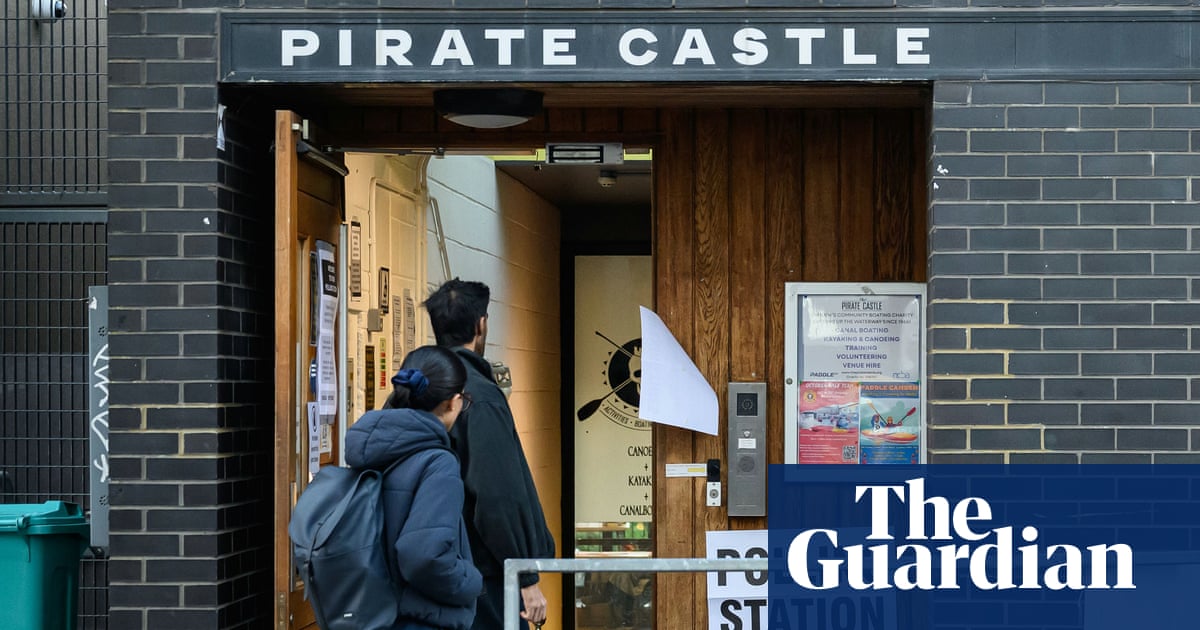
A polling station in the Holborn and St Pancras constituency, where Labour won last week’s byelection. Photograph: Leon Neal/Getty ImagesView image in fullscreenA polling station in the Holborn and St Pancras constituency, where Labour won last week’s byelection. Photograph: Leon Neal/Getty ImagesBurnham faces questions over push to scrap photo ID voting requirementMinisters reportedly seeking to halve time for Lords scrutiny of voting and donations changes amid election speculation
Andy Burnham is facing questions over plans to speed up sweeping changes to Britain’s electoral system amid speculation that some of his closest advisers are pressing for an early general election.
Ministers reportedly want to at least halve the time available for peers to scrutinise legislation that would make it possible to vote without photographic identification, lower the voting age to 16 and tighten restrictions on political donations.
According to the Sunday Telegraph, the government is seeking to reduce scrutiny of the representation of the people bill in the House of Lords from an anticipated 10 days to fewer than five, despite plans for further substantial amendments.
The reports come days after Labour’s victory over the Green party leader, Zack Polanski, in the Holborn and St Pancras byelection, as well as Burnham’s own recent win in Makerfield, which have fuelled discussion within the party about whether Burnham should call a general election in pursuit of a fresh mandate. The prime minister does not need to call an election before 2029, and had has repeatedly ruled out an early poll.
The new voting legislation, first introduced under the former prime minister Keir Starmer, would allow voters to use bank cards without photographs as proof of identity at polling stations, easing restrictions introduced by the Tories in 2022.
The proposals follow longstanding concerns that the requirement to show photo ID when voting disproportionately affects young people, those on lower incomes and minority ethnic communities.
Polling published by the Guardian after the last general election suggested 6.5% of minority ethnic voters surveyed had been turned away from a polling station at least once, compared with 2.5% of white voters. The Electoral Commission separately estimated that about 16,000 people who attempted to vote in person were unable to do so because they lacked the required ID, and did not return.
Burnham was among seven Labour mayors who criticised the restrictions in 2024, comparing them to voter suppression tactics used by Republicans in the US, and describing the changes as a “brazen assault on our democracy”.
Although Labour opposed the introduction of compulsory photo ID for voting, Starmer’s government stopped short of abolishing the requirement after taking office, instead proposing to widen the forms of ID accepted at polling stations. However, the Electoral Commission has warned that accepting bank cards would make it harder for polling station staff to verify voters’ identities.
The bill also forms part of the government’s efforts to tighten political funding rules amid growing concerns about foreign interference in British elections. The Guardian revealed that ministers were planning further restrictions on political donations that could retrospectively affect the £72m given to Reform UK by the crypto billionaires Ben Delo and Christopher Harborne.
Labour MPs and trade unions have been calling for tougher safeguards against foreign donations, with some urging the government to go further by introducing limits on the amounts wealthy individuals can give to parties.
A government spokesperson said: “The bill is going through the proper parliamentary process, giving MPs and peers the time and opportunity to examine and debate its measures. These reforms will strengthen our democracy and ensure the electoral system remains secure, fair and accessible.”
The spokesperson added: “The PM has ruled out an early election.”
Ministers argue the existing rules risk preventing legitimate voters from casting their ballots. Electoral Commission research found that about 4% of people who did not vote at the 2024 general election said the photo ID requirement had been a factor.
But the watchdog also says Tory peers have accused ministers of attempting to rush through changes, while the Liberal Democrat peer Mark Pack warned about the risks of introducing significant amendments without sufficient scrutiny.