^IXIC -1.32% ^GSPC -0.53% NVDA -2.94% Trade NVIDIA on Coinbase Trading disclosure Trading disclosure The above button links to Coinbase. Yahoo Finance is not a broker-dealer or investment adviser and does not offer securities or cryptocurrencies for sale or facilitate trading. Coinbase pays us for certain activity generated through this link. Prices displayed are informational.
The stock market has been on a seemingly unstoppable run in 2026, as both the benchmark S&P 500 (SNPINDEX: ^GSPC) and the Nasdaq Composite (NASDAQINDEX: ^IXIC) reached new record highs this week. In the last six months alone, these indexes are up by around 19% and 26%, respectively.
Stock prices can only climb so high before they face a correction, however. The question on many investors' minds, then, is how close we are to that point.
Missed Nvidia in 2009? This Rare Signal Is Flashing Again. In 2009, a "Double Down" signal flashed for a little-known chipmaker called Nvidia. For the first time in years, that same "Total Conviction" signal is flashing for a company 1/100th the size of Nvidia. Continue »
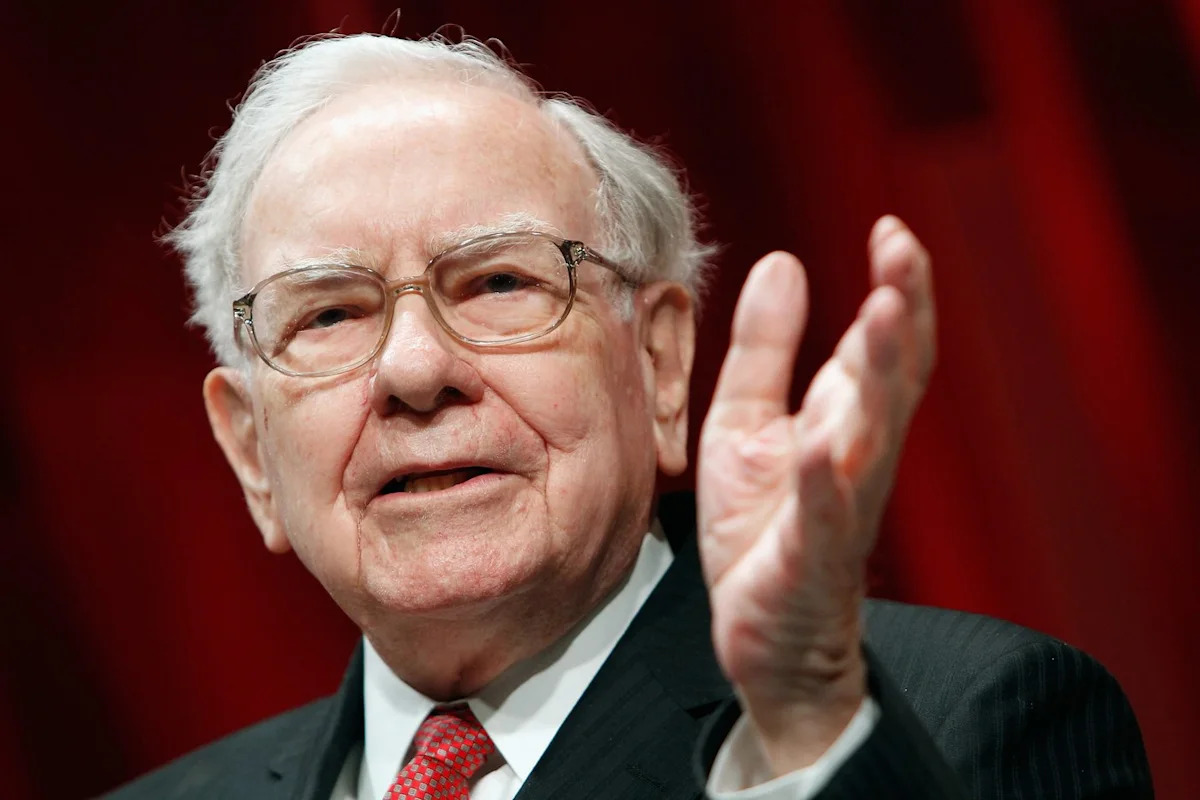
While no one can say how the market will perform in the coming months, Warren Buffett delivered a blunt warning to investors who may be underestimating risk right now.
Earlier this year, in an interview with CNBC during Berkshire Hathaway's annual meeting, Warren Buffett offered his thoughts on this historically expensive market.
He explained that he often compares the market to a church with a casino attached. The church represents long-term investing rooted in fundamentals, while the casino symbolizes short-term speculative buying.
"[W]e've never had people in a more gambling mood than now," he warned. He added, however, that "that doesn't mean that investing is terrible. It does mean that prices for an awful lot of things will look very silly."
With valuations climbing, there's a greater chance that some stocks' prices are straying from their fundamentals. Overvalued stocks tend to correct themselves eventually, and they'll often underperform the market over time. If you buy these stocks at the top, there's often nowhere to go but down.
No two market downturns are identical, but in some ways, the current market is showing parallels to the dot-com bubble of the early 2000s -- particularly when it comes to valuations.
The S&P 500 Shiller CAPE Ratio is a metric that tracks the S&P 500's valuation over time by measuring its 10-year inflation-adjusted earnings. A higher ratio suggests the market may be overvalued, and historically, stock prices tend to fall in the years following peaks.
In late 1999, the ratio spiked to a record high of 44 -- significantly higher than its long-term average of around 17. Just a few months later, in March 2000, the dot-com bubble burst.
More recently, this ratio has consistently hovered above 40 since May 2026. This is only the second time in history it's remained this high for months at a time, and while that doesn't necessarily mean a crash is coming, it does suggest that the market is the priciest it's been in decades.
If there's just one lesson from the dot-com bubble, it's that stock price alone can't predict how a company will fare during a downturn. Hundreds of tech companies exploded in value in the 1990s, for example, only to crash and burn a few years later when the bubble popped.
The stocks that fared the worst were those fueled by hype. These stocks can appear healthy on the surface if their stock prices are soaring. But if they have a shaky balance sheet, an unsustainable business model, or a leadership team with a history of poor decisions, for instance, they may not be strong enough to survive a bear market or recession.
As Buffett mentioned in his interview earlier this year, not all investing is terrible. There are still plenty of fairly priced stocks that are well-positioned for long-term growth. The investors who reap the greatest rewards will be those who ignore hype and instead focus on buying companies with solid underlying fundamentals.
Before you buy stock in S&P 500 Index, consider this:
The Motley Fool Stock Advisor analyst team just identified what they believe are the 10 best stocks for investors to buy now… and S&P 500 Index wasn't one of them. The 10 stocks that made the cut could produce monster returns in the coming years.
Consider when Netflix made this list on December 17, 2004... if you invested $1,000 at the time of our recommendation, you'd have $375,887!* Or when Nvidia made this list on April 15, 2005... if you invested $1,000 at the time of our recommendation, you'd have $1,459,146!*
Now, it's worth noting Stock Advisor's total average return is 955% — a market-crushing outperformance compared to 215% for the S&P 500. Don't miss the latest top 10 list, available with Stock Advisor, and join an investing community built by individual investors for individual investors.
*Stock Advisor returns as of October 8, 2026.
Katie Brockman has no position in any of the stocks mentioned. The Motley Fool has no position in any of the stocks mentioned. The Motley Fool has a disclosure policy.
Warren Buffett Warns Investors Are Headed for a Cold, Hard Reality Check. History Says He's Right. was originally published by The Motley Fool