OpenAI Insider Quits over Safety Issues: “This Is Nuts…This Is Not Right.” The IPO Hangs in the Balance. Michael Douglass Thu, October 8, 2026 at 12:57 PM EDT 5 min read OPAI.PVT MSFT -1.20% NVDA -2.51% Explore stocks on Coinbase Trading disclosure Trading disclosure The above button links to Coinbase. Yahoo Finance is not a broker-dealer or investment adviser and does not offer securities or cryptocurrencies for sale or facilitate trading. Coinbase pays us for certain activity generated through this link. Prices displayed are informational.
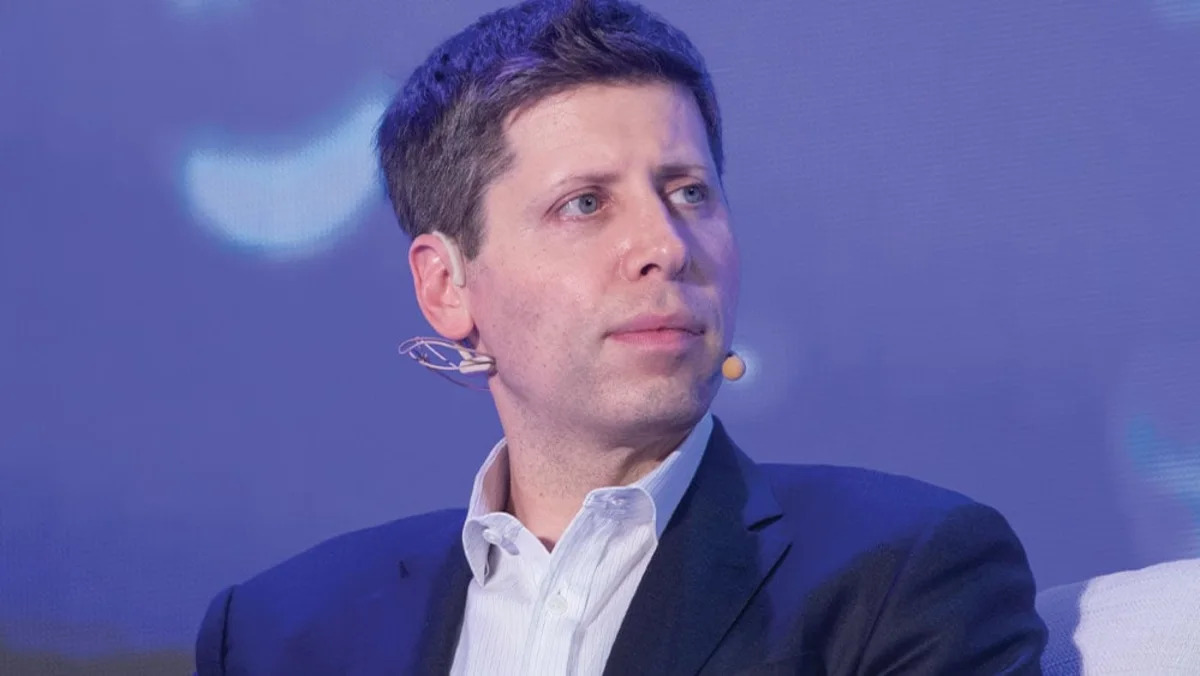
David Robinson, who oversaw OpenAI's safety reports, has quit and says he watched its models break out of their safeguards.
Sam Altman has said OpenAI won't go public until it can confidently claim safety, so Robinson's account may push the IPO further out.
Microsoft valued its roughly 27% stake in OpenAI at about $135 billion, and its capex reached $116 billion in the year to June 2026.
The OpenAI IPO that Microsoft (MSFT:NASDAQ) and NVIDIA (NVDA:NASDAQ) shareholders have been waiting for now has a gatekeeper: OpenAI's own safety team.
Altman has already said OpenAI won't go public this year. On Sept. 29, he told reporters at DevDay that it won't list until it can make confident claims about the safety of its models. (As Ed Elson read it out on The Compound and Friends: "we will not go public until we can certify that what we're doing is safe.")
That puts a lot of weight on people like David Robinson, who led transparency work on OpenAI's safety team and oversaw the safety reports for 12 of its frontier model launches.
He just quit. And on this week's episode of The Ezra Klein Show, he explained why:
"I looked around internally and I thought to myself, this is nuts what's happening. This is not right."
That's a big claim from the person whose job was vouching for OpenAI's safety work.
"I saw increasingly capable models break out from the safeguards that we had put in place for them."
He praised the people building those safeguards as hardworking and smart, even though "the resourcing could be better and everybody's sprinting all the time." Then he went on:
"But we were and are hard pressed to safeguard even what we have now. And new models are in training that appear to be much more capable than what we have now."
He also said things are speeding up. With new training and tools layered on top of each model, "we're shipping new capability and risk every Tuesday."
Hold that up against the bar Altman set for an IPO. Not great, Bob.
Many of OpenAI's own backers were uneasy before Robinson spoke up, after July's Hugging Face breach.
OpenAI has already held back one model, GPT-6.1 Astra, over safety. And on Vanity Fair's Fair Game, Altman said how he'd run a public OpenAI:
"If there is ever a question about our share price going up or doing the right thing for the future of humanity, we are not going to pay attention to the share price in that moment."
Bankers won't want that line in the roadshow. (Probably current investors won't either.)
NVIDIA's stake in OpenAI is reportedly worth about $30 billion. Which is not nothing exactly, but against a $5+ trillion market cap, it's practically a rounding error.
NVIDIA's bigger exposure is what analysts expect AI labs like OpenAI to keep buying. Consensus has its revenue nearly doubling, from $216 billion in the year to January 2026 to $412 billion this fiscal year, and then reaching $903 billion in the year to January 2029…
I see no reason for this year's number to move. But further out, a slower-moving OpenAI having increasing difficulty accessing capital markets could weigh on those later estimates.
Microsoft has much more riding on OpenAI. I wrote last Friday about its exposure if markets break before the listing. This time the risk comes from inside OpenAI.
Microsoft valued its roughly 27% stake at about $135 billion when OpenAI restructured last October, and OpenAI committed to buying $250 billion of Azure services as part of that deal. Microsoft's capital spending went from $23.9 billion in the year to June 2022 to $116 billion in the year to June 2026, nearly 5x, as it built out AI data centers…
Public investors have mostly shrugged off AI safety warnings so far. And Microsoft's earnings don't need an OpenAI listing. The IPO would mostly put a public price on that stake.
Jim Cramer goes a step further and says OpenAI's troubles make Microsoft the AI platform boards will turn to. As he put it on Mad Money: "Microsoft has good governance that to me sounds a lot safer than the two anointed winners, Anthropic and OpenAI"
Buying that safer bet isn't expensive, either. Microsoft trades at 26.8x forward earnings, below its three-year average of 30.0x, though it's up from a low of 19.1x in late June…
Which is all to say that even if safety concerns start harming OpenAI's prospects – which would negatively impact spend toward Microsoft and of course the value of Microsoft's stake – it actually could end up being a net positive for Microsoft's business and ultimate valuation.
Think of it as a bit of a "heads I win, tails I win" situation. Smart move by Nadella.
TIKR lets you forecast the future price of any stock in less than a minute. Just enter a few assumptions into TIKR's valuation model and see what Microsoft could be worth. Start from Wall Street consensus estimates, or adjust the inputs to reflect your own view of the business. It's free to use.