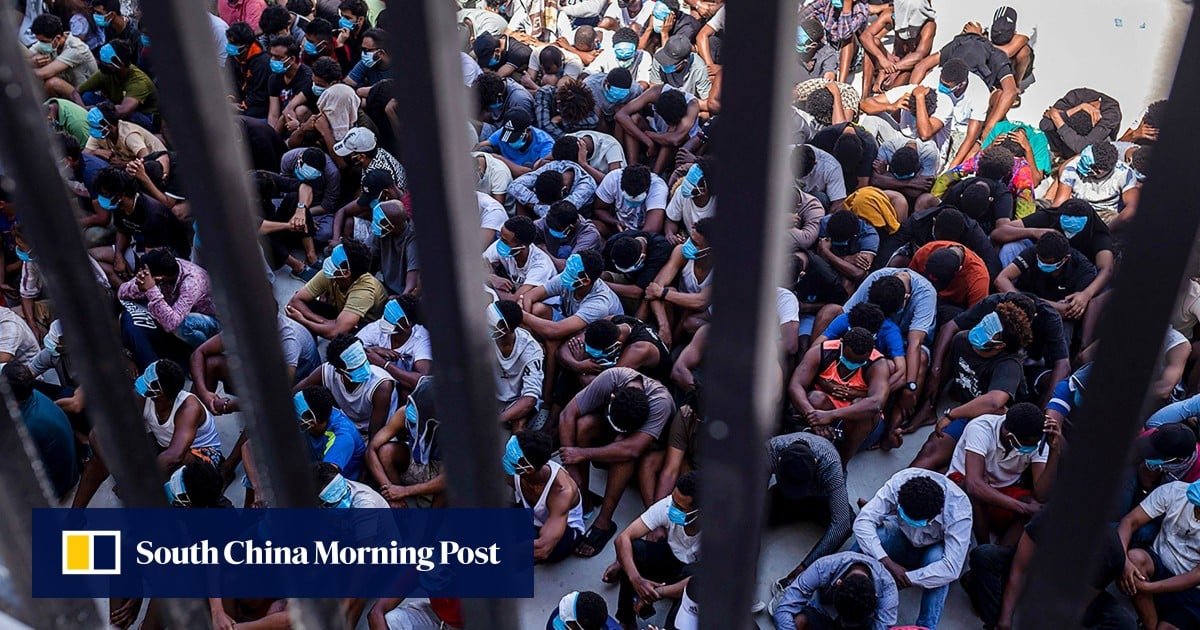
Many survivors return home to inhabit a murky space between victim and offender, with few support services to help them reintegrate
4-MIN READ4-MIN ListenSam BeltranPublished: 8:00am, 15 Mar 2026For many of those rescued from Southeast Asia’s scam compounds, escape is not the end of the ordeal.They leave behind the locked gates, surveillance and violence, but often return home carrying injuries, trauma and the stigma of having been forced to scam others.
Just as difficult is what comes next: trying to explain the experience to the people waiting for them.
“Some of them are not able to tell their family members or their community what has happened,” said human rights advocate Andrey Sawchenko, International Justice Mission’s vice-president for programme impact in the Asia-Pacific.
“So they’re also facing isolation and a lack of connection with other people around them because of their inability to connect about these experiences.”