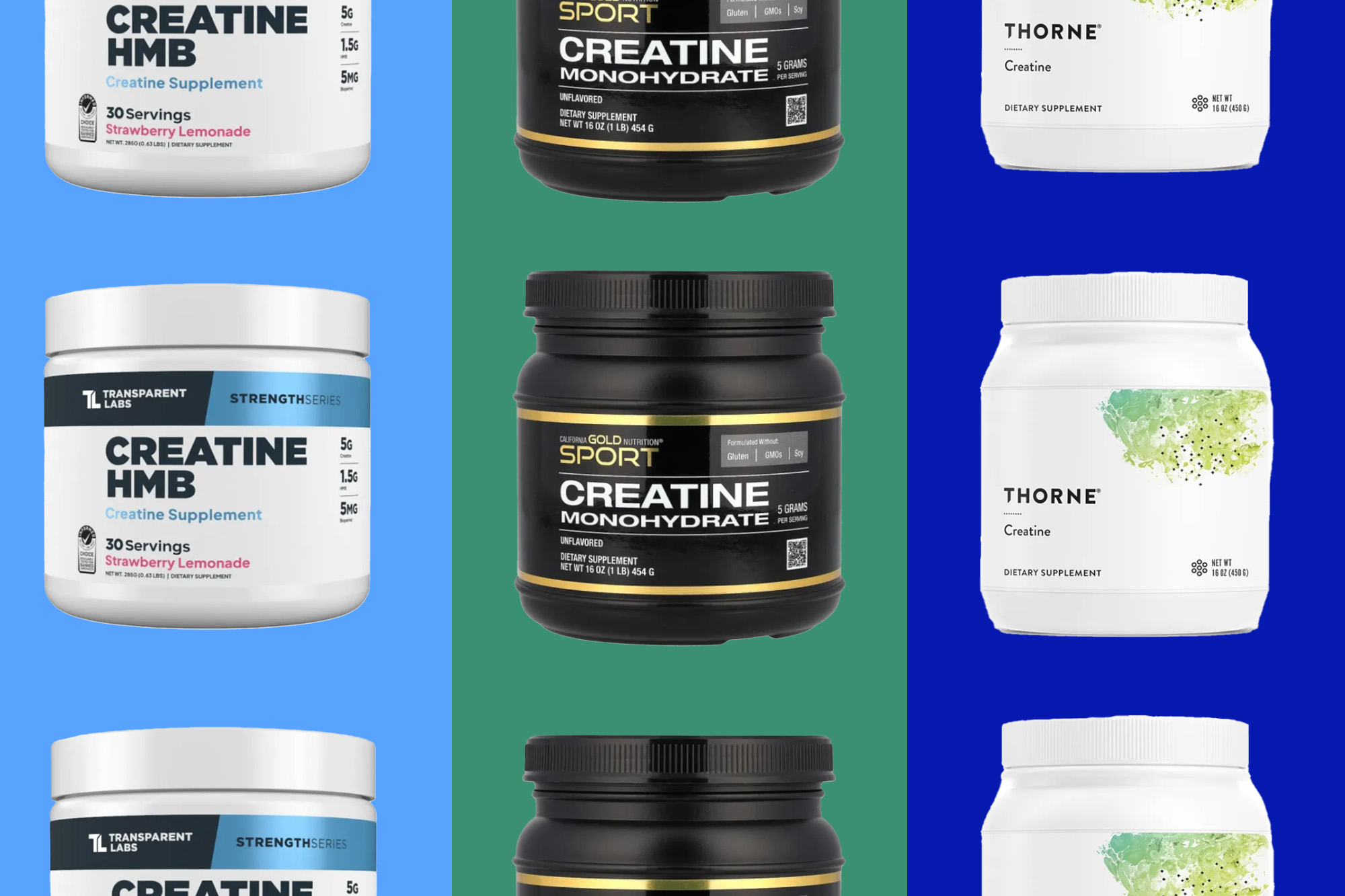
New York Post Compostie If there’s one supplement to watch this year, it’s creatine.
The global creatine market size was estimated at 1.37 billion in 2025, and is projected to grow at a 26% annual rate from 2026 to 2033. And despite the supplement’s growing popularity, some users still have questions about where creatine comes from and the best ways to use it.
Creatine is a naturally occurring compound that comes from amino acids. It is believed to support muscular energy, performance and recovery. Our bodies naturally make creatine through amino acids from protein-rich foods, but supplementation is another way to boost levels.
Emerging research points to creatine’s wide range of benefits. A 2021 study in Nutrients showed that the supplement improved muscle strength and power.
And, it’s not just gym enthusiasts who can benefit from creatine. A meta-analysis published in Frontiers In Nutrition showed that creatine monohydrate supplementation improved memory, attention span and cognitive speed.
In other words, creatine isn’t just for athletes; it’s for seniors, students and anyone looking to boost both muscle and mind.
With the market expanding, consumers can now choose from different formats: creatine chews, gummies and powders. However, most clinical research has focused on powdered creatine monohydrate, and some experts note that creatine powders offer more precise dosing and avoid common additives.
“Gummies can be fun, but they often have extra sugar, less creatine per bite and they’re pricier,” explains Waz Ashayer, a NASM-certified personal trainer at BODi. “If you’re serious about results, the powder is your best bet, easy to dose and you know exactly what you’re getting.”
Below, the Post consulted experts in the sports nutrition space for additional insights into how to select the best creatine powder to suit your goals.
Designed to support strength and performance, California Gold Nutrition Creatine Monohydrate has earned a reputation as one of the highest-quality options, backed by more than 30,000 customer reviews and an impressive 4.8-star rating. It contains only one ingredient: creatine monohydrate — making it a great choice for users who prefer a simple formula without the extra fluff. The 1-pound container is also a solid value buy, offering a longer-lasting supply than some other brands. Many reviewers also mention that the unflavored option isn’t detectable in water or coffee, which is ideal if you have a sensitive palate. This creatine has also been third-party tested and was made in a cGMP-certified facility, plus it’s gluten-free, soy-free, and made without GMOs — suitable for a variety of diets and health-conscious households.
Momentous raves that it’s creatine powder offers “excellent solubility and zero taste,” and its users seem to agree. Several have explained that its ultra-fine consistency makes it easy to mix into drinks and smoothies with “no taste at all.” Others have reported that the 5-gram creatine serving offers noticeable benefits, from boosted workout performance to post-gym recovery support and even memory support. Momentous Creatine Powder is also NSF-certified for sport, and triple-tested for heavy metals and purity. It’s made with zero additives, fillers or artificial ingredients.
Some users may prefer Creatine HMB, a dual-action supplement that combines creatine monohydrate with hydroxymethylbutyrate (HMB). According to Transparent Labs, these ingredients are designed to support stronger workouts, boost lean muscle growth, and aid in recovery — making it a great choice for anyone after gains. The Transparent Labs formula is also free from artificial sweeteners, dyes and fillers. That said, it does include a small amount of stevia to enhance the fruit-flavored options, along with beetroot powder for natural color. For those who enjoy a sweeter supplement, it could be a good fit. A few reviewers note the smell is a bit unusual, and some clumping is to be expected.
More than 90,000 users have stocked up on Thorne’s Micronized Creatine Monohydrate in the past month alone, and many reviewers say it’s one of the purest formulas on the market. The micronized powder is designed to mix easily, and the flavored options appeal to those who prefer a sweeter taste. Thorne also rigorously tests its creatine, putting it through four rounds of testing to help ensure the product is pure and safe. “If you’re looking for a simple, no-filler, high-quality creatine from a brand you can trust, this one is absolutely worth it,” one user raves.
For another micronized option, consider Nutricost’s creatine monohydrate. Users say the ultra-fine powder “dissolves instantly” and has “no gritty texture at all.” Others note that the micronized formula feels gentler on their stomach than standard creatine. Nutricost also offers a wide range of flavors, including punchy picks like Blue Raspberry, Pineapple Mango and even Shaq’s Mango Blast. The formula is sweetened with sucralose, which might not be an ideal option for those avoiding artificial sweeteners. However, the brand is third-party tested, GMP-compliant and completely GMO-free.
“Gummies can be fun, but they often have extra sugar, less creatine per bite, and they’re pricier,” explains Ashayer. “If you’re serious about results, the powder is your best bet, easy to dose, and you know exactly what you’re getting.”
“Creatine monohydrate remains the gold standard,” shares Sahar Berjis, RD and Founder of Inner Health and Wellness
Creatine monohydrate is the most researched form of creatine that has been shown to support strength, performance and muscle recovery. Some brands also offer micronized creatine, which means the particles are smaller and dissolve more easily into liquids.
However, Berjis says that doesn’t necessarily mean that micronized creatine is better: “Buffered creatine is marketed as being gentler on the stomach, though research hasn’t consistently shown it to outperform monohydrate.”
When evaluating quality, Berjis recommends looking for a few important markers:
Ashayer does have some recommendations for timing your creatine supplementation to maximize gains — though he admits it may not make a significant difference.
“For most healthy people, regular monohydrate gets into your muscles just fine on its own,” he explains. “If you take it with a meal or some carbs, you might get a tiny boost, but honestly, it’s all about being consistent.”
He adds not to stress about “fancy” formulas, as the best way to see results is to take it on a daily basis. Additionally, he notes that post-workout is a great time to take it.
Berjis acknowledges that creatine is a well-known supplement among gym-goers, but it actually can support more than just muscular performance. Some studies reveal that creatine offers cognitive benefits.
“Creatine plays a role in cellular energy production, including in brain cells,” says Berjis. “Emerging research suggests it may support mental performance, memory, and cognitive resilience, especially during periods of sleep deprivation or intense mental stress.”
According to Ashayer, the sweet spot for dosage is about 3 to 5 grams per day.
“Some people like a ‘loading’ phase (20 grams a day for a week) to speed things up, but it’s not mandatory,” he noted. “After a few weeks, just keep it steady.”
Berjis points out that creatine use may not be appropriate for everyone.
“Individuals with pre-existing kidney disease, those taking medications that affect kidney function, or people with certain metabolic conditions should speak with a healthcare professional before using it,” she stresses. “Pregnant or breastfeeding individuals should also consult their provider.”
At her practice, she always reminds clients that supplements are not the “star players” of health and performance — and balanced nutrition, strength training, restorative sleep, and recovery are also key.
This article was written by Miska Salemann, New York Post Commerce Writer/Reporter. As a health-forward member of Gen Z, Miska seeks out experts to weigh in on the benefits, safety and designs of both trending and tried-and-true fitness equipment, workout clothing, dietary supplements and more. Taking matters into her own hands, Miska intrepidly tests wellness products, ranging from Bryan Johnson’s Blueprint Longevity Mix to the viral Oura Ring to Jennifer Aniston’s favorite workout platform – often with her adorable toddler by her side. Before joining The Post, Miska covered lifestyle and consumer topics for the U.S. Sun and The Cannon Beach Gazette.
Looking for a headline-worthy haul? Keep shopping Post Wanted.