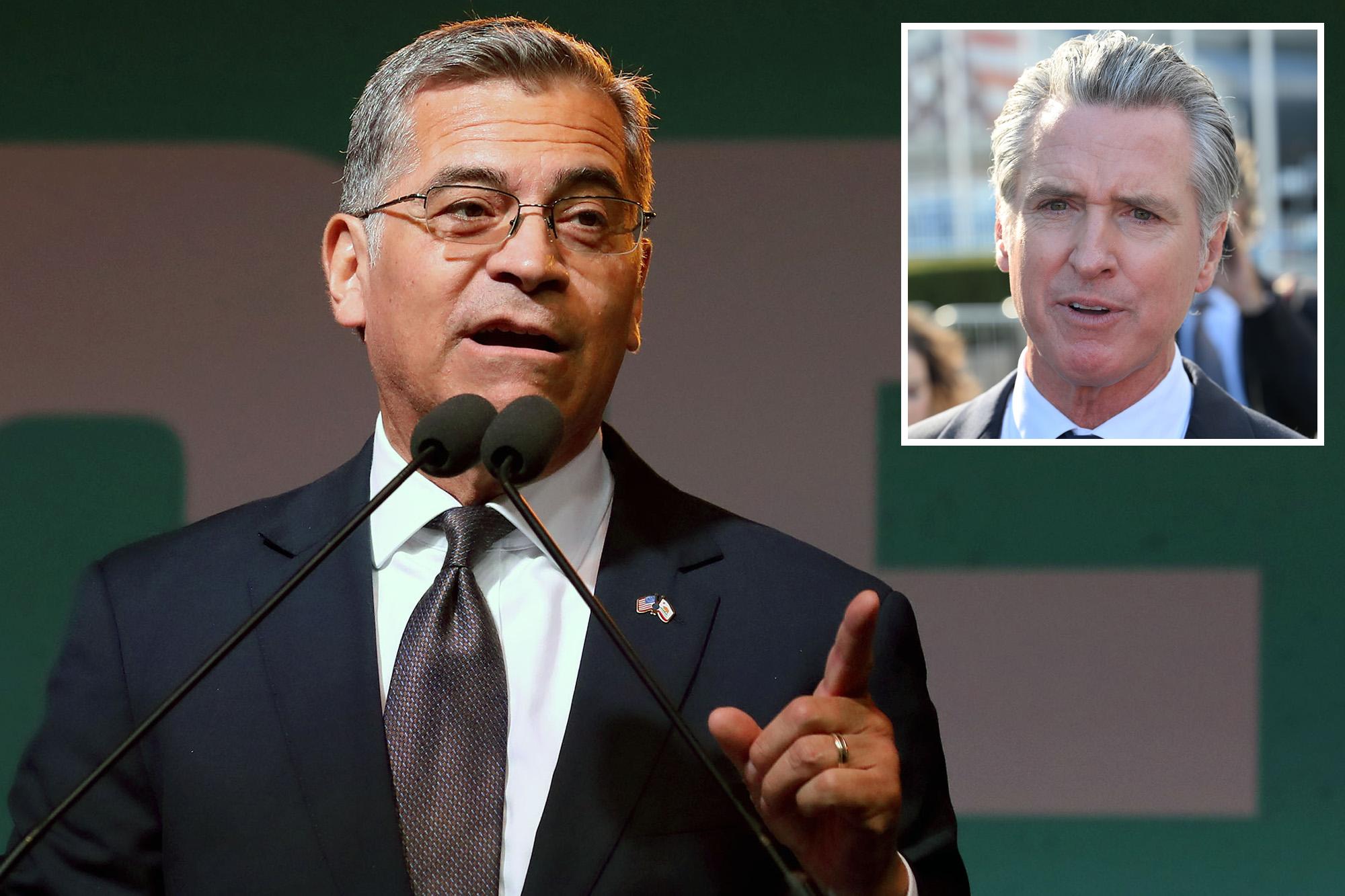
Make California Post a Preferred Source California Gov. Gavin Newsom has signed more than 1,000 bills in his final year as governor, introducing new regulations, penalties and programs that will not only leave a significant impact on Californians.
He’ll also be hoping they set a trend for national policymaking.
Newsom is aiming to leave his mark as he entertains the possibility of running for president in 2028 against a crowded field of contenders.
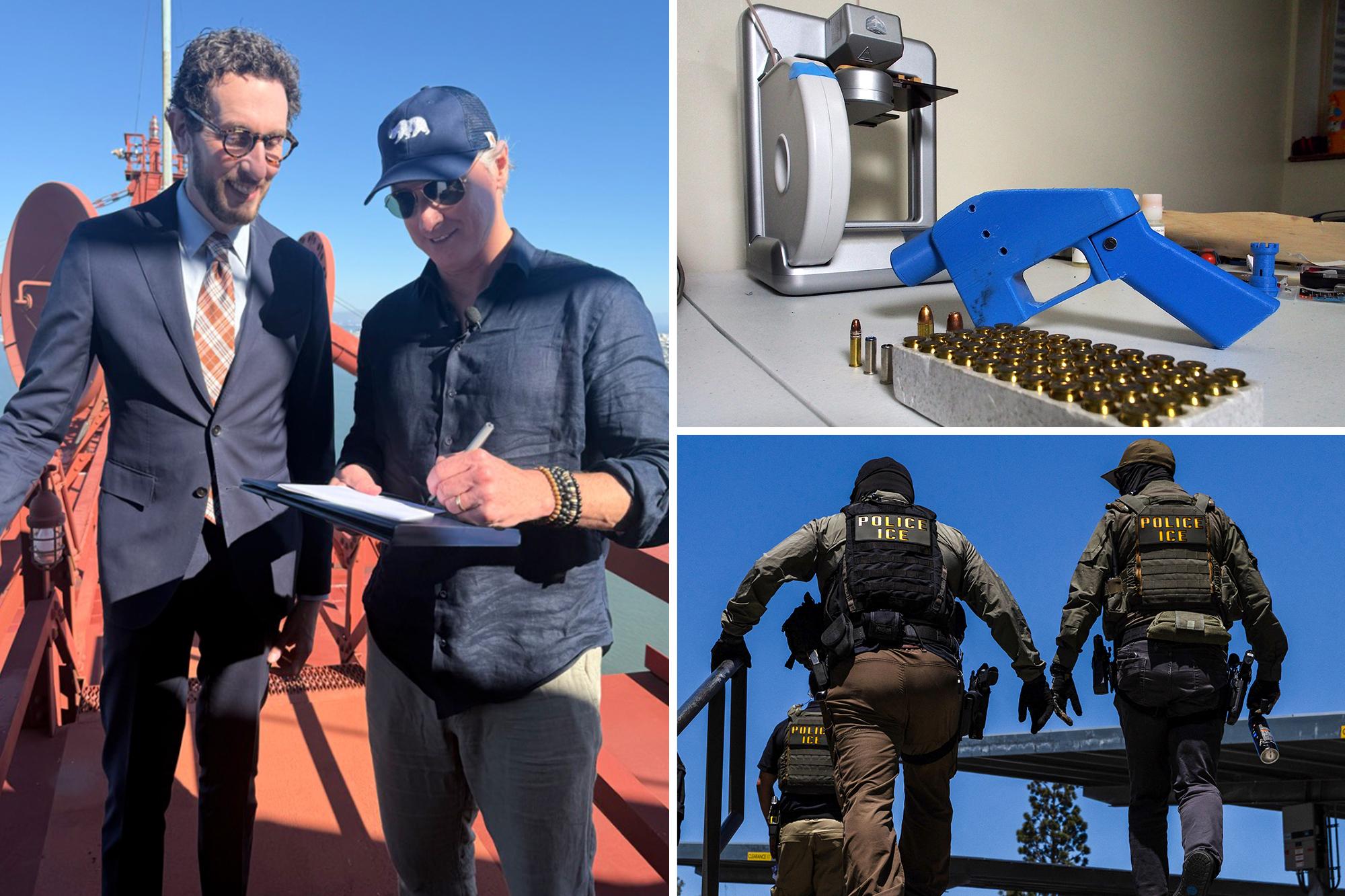
The term-limited Democrat is aware of the power of his signature and even commemorated his very last signing by climbing to the top of the Golden Gate Bridge.
The last bill “builds on a year of action to improve Californians’ lives and prepare the state for the future,” his office boasted on the signings.
Here are some of the most notable new California laws enacted recently that could impact everyday life.
Newsom has taken an embracing stance of artificial intelligence regulation in his final year, making it a point to contrast the state with President Donald Trump’s industry-friendly hands-off approach.
“Super intelligence is clearly not coming from the White House – that’s why California continues to lead. AI should expand opportunity – not come at the expense of workers and families,” Newsom said in a statement.
The biggest AI bill he signed, dubbed the “No Robo Bosses Act,” will restrict companies from using automated decision-making systems or AI to fire, discipline or evaluate workers without human oversight and corroboration.
The first-in-the-nation law received strong backing from labor unions, but was opposed by business groups, who claimed it would drive up costs due to significant compliance burdens. It comes as more and more companies are using automation to help manage workers in the workplace.
He also signed new rules on chatbots, amid reported incidents of them encouraging teens to commit suicide, and new restrictions on social media feeds.
California Democrats enacted laws this year to punish ICE agents to signal their visible political anger at the Trump administration’s crackdown on illegal immigrants.
The state’s leaders approved a ban on “wearable electroshock devices” reportedly in use by ICE to restraint suspects, and made a controversial move to prohibit ICE agents accused of serious misconduct from later being employed as California peace officers or state employees.
A bill to let residents sue ICE agents was also signed.
But First Assistant U.S. Attorney Bill Essayli claimed California has no authority to regulate federal agents and urged them to ignore the shock-glove law.
“Governor, we’ve been through this already. If you want to regulate federal agents, you have to win a federal election. Until then, you have no jurisdiction,” Essayli said.
California residents with newly purchased guns starting in 2029 will need to take a four-hour class under a new law. Starting in 2028, people moving to California with guns would need to obtain a firearm safety certificate within 180 days of arrival.
Gun rights groups have blasted the class requirement as a Second Amendment violation.
Newsom, in a press release, defended the guns control bills he signed as crucial to “help keep firearms out of dangerous situations.”
One interesting new law would prevent the 3D printing of ghost guns. It requires consumer 3D printers sold or transferred in California to feature hardware or software mechanisms capable of detecting and blocking the printing of homemade firearms.
The law during the legislative process attracted a myriad of opponents, from Hollywood prop studios worried it could impact their work, to government watchdogs who argue it could create a surveillance framework where the government or a third party is continuously analyzing what’s being created with the technology.
Newsom is going to war on the vaping epidemic by signing a new ban on single-use vapes. Legislation will also prohibit the advertising of vape products designed to look like products marketed to minors.
Retailers and distributors that violate the law would be fined $500 for the first violation and potentially $2,000 for subsequent violations.
California Democrats are also pushing to nudge Californians toward healthier foods, forcing restaurant chains to slap a warning – a sugar cube inside a black triangle – on menus next to drinks packing more than an entire day’s recommended amount of added sugar.
California has also signed off on the nation’s first “Non-Ultraprocessed Certified” seal, allowing food manufacturers to tout their clean and natural bona fides.
Critics, including restaurants, have blasted the moves as more costly regulations by Big Government getting into what people eat.
Public health advocates praised the measures as necessary to reduce diabetes and other illnesses.
Businesses in California face a first-in-the-nation law to disclose if they or their predecessors profited from chattel slavery.
The law applies to companies with annual worldwide gross receipts over $100 million and sworn filings will be subject to the penalty of perjury. The first disclosures are due by 2029.
The new requirements come as California is embroiled in a debate over whether to give reparations to descendants of black slaves. Newsom created the state’s reparations task force in 2020 to study the issue, but officials have so far been slow to act on the idea of actual cash payments, which has angered grassroots advocates.
Instead, smaller steps have been taken, like a formal state apology.