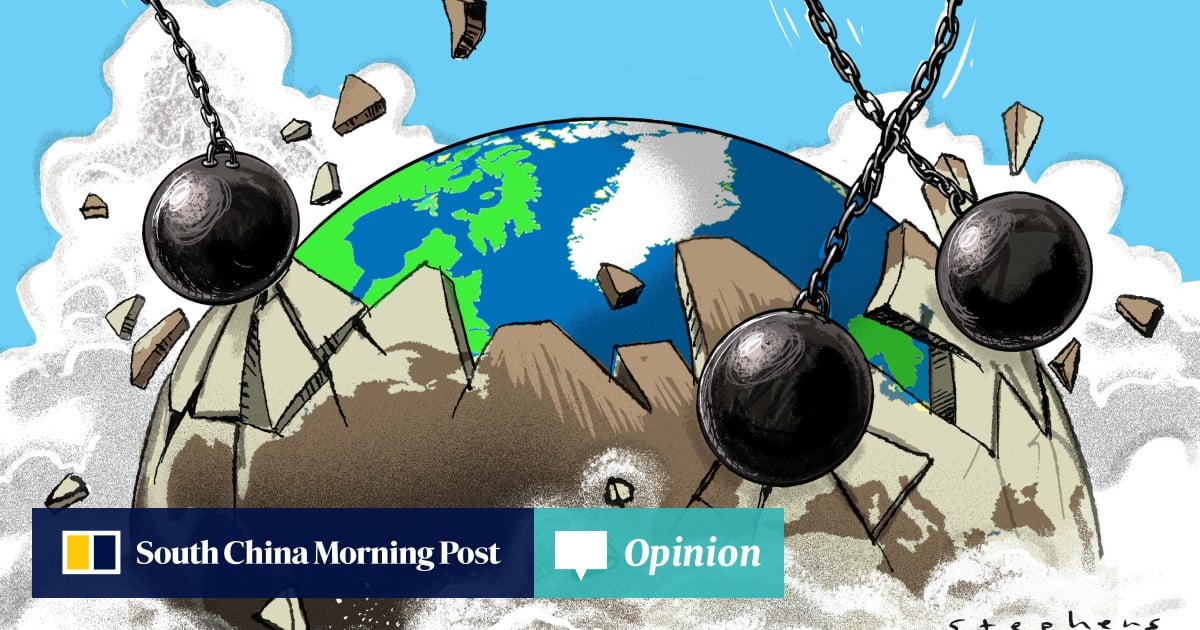
Despite international tensions, countries still seek cooperation based on shared interests. Institutions must embrace this trend
Meanwhile, rising populism in Western countries seeks to tear down multilateral structures perceived as holding back national prosperity.
Yet multilateral institutions remain anchored in yesterday’s distribution of power, while today’s challenges – climate change, digital fragmentation, supply-chain insecurity, debt distress and geopolitical rivalry – demand frameworks that reflect contemporary realities. Global governance has struggled to keep pace with these changes.
That old architecture was built for a world of steel, grain and territorial sovereignty. The system now finds itself confronting problems driven by data flows, artificial intelligence, cross-border platforms, atmospheric physics and globally integrated capital markets. Governance remains predominantly state-centric, while value creation and systemic risk increasingly transcend borders and sectors.