NVDA -1.02% Trade NVIDIA on Coinbase Trading disclosure Trading disclosure The above button links to Coinbase. Yahoo Finance is not a broker-dealer or investment adviser and does not offer securities or cryptocurrencies for sale or facilitate trading. Coinbase pays us for certain activity generated through this link. Prices displayed are informational.
The Federal Reserve's monetary policy committee voted unanimously last month to raise its benchmark interest rate, the federal funds rate, by a quarter percentage point. Just about everyone believes that the rate hike was not a one-and-done event. Futures traders are pricing in one to two more quarter-point hikes by the end of this year (there are two more meetings), and several more in 2027.
Meanwhile, the yield on the two-year Treasury note has risen to 4.82%. Because that yield is the most sensitive to the Fed's interest rate, it suggests that the bond market collectively believes the Fed will raise its rate three to four more times over the next 12 months.
Missed Nvidia in 2009? This Rare Signal Is Flashing Again. In 2009, a "Double Down" signal flashed for a little-known chipmaker called Nvidia. For the first time in years, that same "Total Conviction" signal is flashing for a company 1/100th the size of Nvidia. Continue »
Finally, the members of the Fed's policy committee set projections that expect more rate hikes. So it seems the Fed is embarking on a full-on rate-hiking cycle. The question for investors, then, is: How will the stock market react to that cycle?
Well, there's extensive research on this topic, as you might expect. But I think the research that Schwab has done is pretty representative of it. The brokerage found that the S&P 500 index has experienced maximum drawdowns of 12% within six months of the first rate hike, and 14% within the first year.
But those figures are averages, and historical market reactions to hiking cycles have depended heavily on the speed of the hiking cycle. If the Fed is aggressive and raises rates quickly, market damage tends to be worse. If, instead, it is more gradual with hikes, the damage has tended to be less.
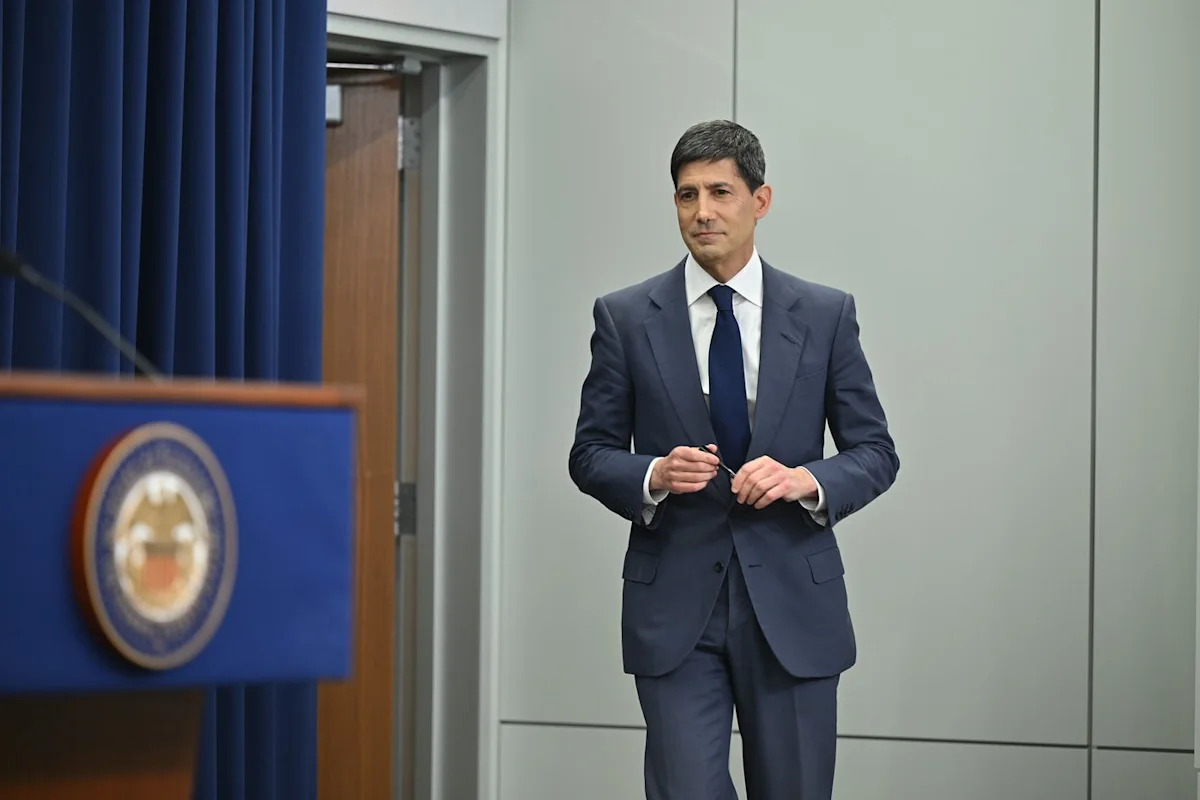
Having listened closely to what Federal Reserve Chair Kevin Warsh has been saying since he took the helm at the central bank, I believe he will advocate for a gradual, less-aggressive approach. And if history is any guide, the rest of the committee will go along with him.
In addition, the market volatility and any pullback or correction due to tightening cycles have historically occurred early in the cycle and have been short-lived. Then valuations stabilize and, if the inflation outlook has improved (after all, that's the goal of these rate hikes), investors become optimistic once again.
That's certainly the goal this time. And early results are promising. The Fed's first hike in this cycle was on Sept. 16. Since then, the S&P 500 has gained about 3%. Of course, the market expected that hike, and it remains unclear just how many more rate hikes the Fed will deliver. For the moment, however, I'm optimistic the Fed can normalize interest rates and slow inflation without crashing the stock market.
Ever feel like you missed the boat in buying the most successful stocks? Then you'll want to hear this.
On rare occasions, our expert team of analysts issues a "Double Down" stock recommendation for companies that they think are about to pop. If you're worried you've already missed your chance to invest, now is the best time to buy before it's too late. And the numbers speak for themselves:
Nvidia: if you invested $1,000 when we doubled down in 2009, you'd have $621,975!*
Apple: if you invested $1,000 when we doubled down in 2008, you'd have $63,642!*
Netflix: if you invested $1,000 when we doubled down in 2004, you'd have $370,440!*
Right now, we're issuing "Double Down" alerts for three incredible companies, available when you join Stock Advisor, and there may not be another chance like this anytime soon.
*Stock Advisor returns as of October 5, 2026
The Motley Fool has a disclosure policy.
The Fed Is Embarking on a Rate-Hike Cycle. History Says This Is How the Market Will React. was originally published by The Motley Fool