Make New York Post a Preferred Source SNAP, crackle, flop.
Recent SNAP changes tied to the 2025 GOP tax and spending package, the One Big Beautiful Bill Act (OBBBA), have cut off or delayed food benefits for millions, leaving states scrambling to cover the shortfall and legislators and recipients alike concerned about further cuts.
Long known as food stamps, SNAP provides food assistance to eligible households and supports approximately 42 million Americans.
Since the legislation was signed into effect by President Trump in July of 2025, enrollment fell by more than 13% or roughly 5 million recipients— a decline far steeper than the government estimated.
Those losing SNAP coverage include people who don’t meet the tightening requirements to participate and those who qualify for the help but are rejected because they miss deadlines or don’t have the needed documentation handy.
It’s unclear how many have lost coverage because some state agencies that run the programs are overwhelmed trying to keep up with changes.
Arizona has had the steepest decline so far, with a 12-month drop of more than 50%, according to data compiled by the US Department of Agriculture, which runs SNAP.
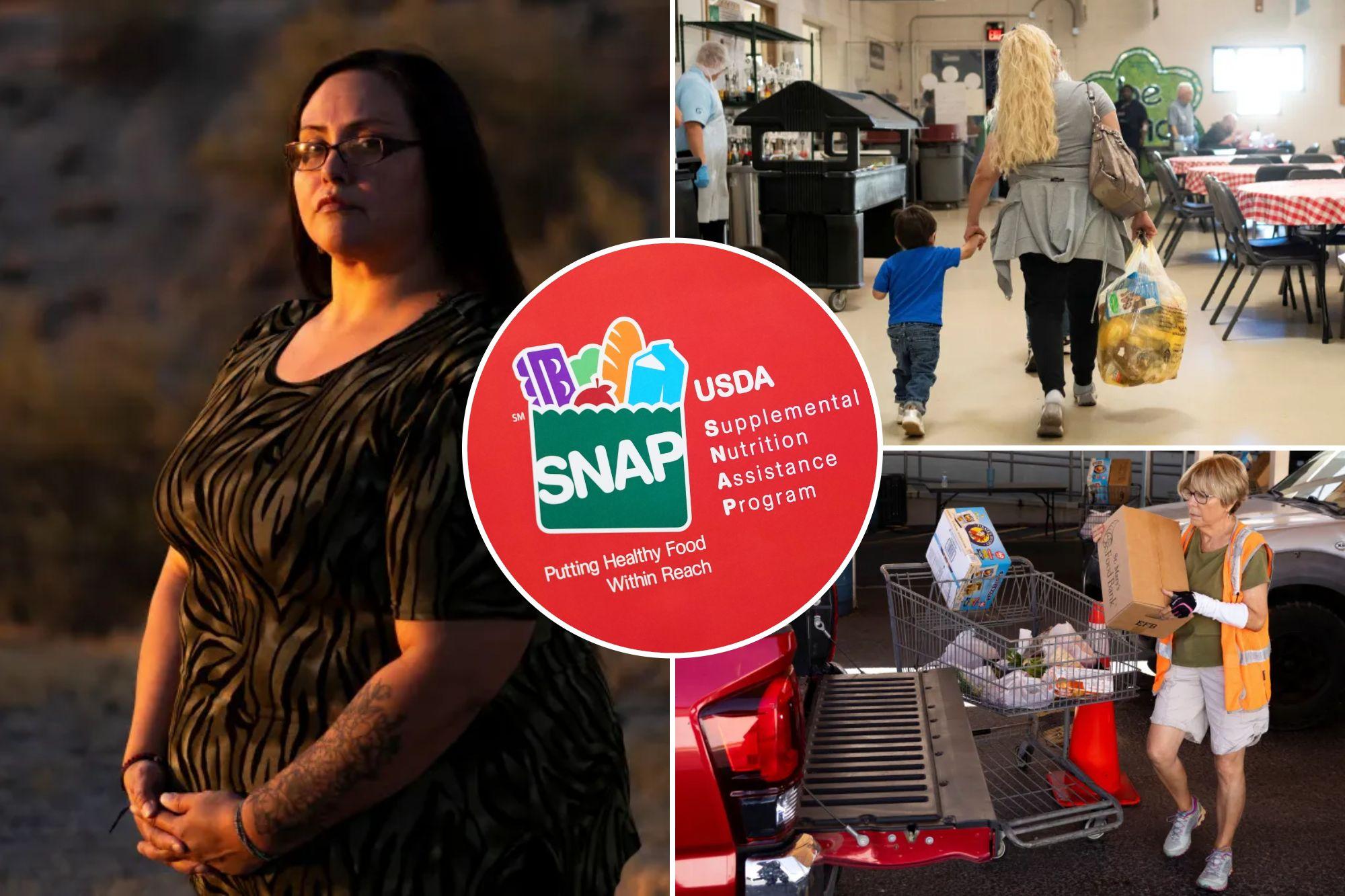
Angelica Garcia is one American suffering the consequences.
According to USA Today, when Garcia applied for food stamps earlier this year, she waited over two months for a response.
The delay prompted her to visit the local Department of Economic Security office in Tucson, Arizona, where she waited hours to see a caseworker. She was told she could schedule a phone interview, but she called 20 times before reaching someone.
“You just have to keep calling. And it’s so frustrating because there are thousands and thousands of people trying to call in,” Garcia told USA Today. “It’s appalling that it’s such a wall that’s been put up.”
While she waited, Garcia and her 14-year-old daughter drastically reduced their food spending, relying on relatives and local food banks for sustenance, with her teenage daughter keeping a ceaseless eye on their budget.
“Kids shouldn’t have to worry about how much the meal is going to cost. It’s hard to see her being so concerned about the cost of food,” said Garcia.
Garcia is among many SNAP recipients facing delays and an uncertain future as Arizona and other states adjust to changes mandated by Trump’s spending bill, which increased state costs, tied federal payments to state payment error rates, and added stricter work requirements.
Beginning October 1, states must now pay 75% of SNAP administrative expenses, including staffing, technology, and operations.
For decades, those costs were evenly divided with the federal government
In response to the new SNAP changes, Arizona altered its application process by increasing documentation requirements, implementing continuous income monitoring, and creating a review process to resolve errors, according to the state’s Department of Economic Security.
Arizona Department spokesman Brett Bezio blamed Garcia’s experience on his state’s processing delays of the GOP tax bill, saying they had to act swiftly to avoid $300 million in proposed penalties.
Bezio maintains that the state has since improved its SNAP protocol, hiring additional staff, prioritizing calls from people within four days of their scheduled interviews, and allowing applicants to wait on hold or be called back
White House spokeswoman Anna Kelly argued that the sweeping changes ensure SNAP is sustainable for future generations.
“The Working Families Tax Cuts bill restores basic work requirements, prioritizes American citizens, and implements reasonable cost-sharing measures with states to crack down on waste, fraud, and abuse,” she said in a statement.
Earlier this year, Christopher Lovato of Littleton, Colorado saw his SNAP benefits slashed from $619 a month to just $130.
When Lovato, who works full-time in the gig economy to support his wife and two autistic children, questioned the steep cut, he was told his monthly earnings were about $150 too high to continue receiving the larger benefit.
“The explanation was pretty vague,” he told USA Today, noting that the process has completely eroded his faith in politics and that his family has increasingly relied on food banks and church pantries.
“Our fridge is pretty empty. And it is just really, really disheartening,” he said, underscoring that the reduced benefits have translated to the family cutting back on fresh vegetables and other nourishing foods.
“We have got to at least put food in our stomachs in any way possible, whether it be something that’s not as nutritious as it used to be or go as cheap as possible,” he said. “And that’s even hard, too, because nothing’s really cheap anymore.”
Lovato maintains that he would like to increase his working hours, but doing so is a challenge with two children with special needs.
“I just want to be able to wake up knowing that things are going to be okay every day,” he said.
Beginning next October, states will be required to help pay for SNAP benefits.
According to the legislature, states with payment error rates above 6% must cover a share of those costs. Further, states with error rates above 10% could end up paying 15% of their SNAP benefits.
This error rate, a federal measure of SNAP overpayments and underpayments, reflects mistakes by applicants or caseworkers, not fraud.
With a national error rate of 10.62%, more than 30 states are expected to face SNAP penalties ranging from tens of millions to billions of dollars.
To offset these new costs, state lawmakers may be forced to raise taxes, cut spending and/or reduce SNAP participation.
While no state has yet declared it will leave SNAP behind, some, including Alabama and Arizona, have warned the penalty could push them to do so.
In a Januray letter bipartisan groups from state and county leadership formally requested that federal lawmakers postpone the penalty until 2030.