In Asian cities, imagining family life has become the real work of adulthood – shaped by square footage, commute times and childcare options
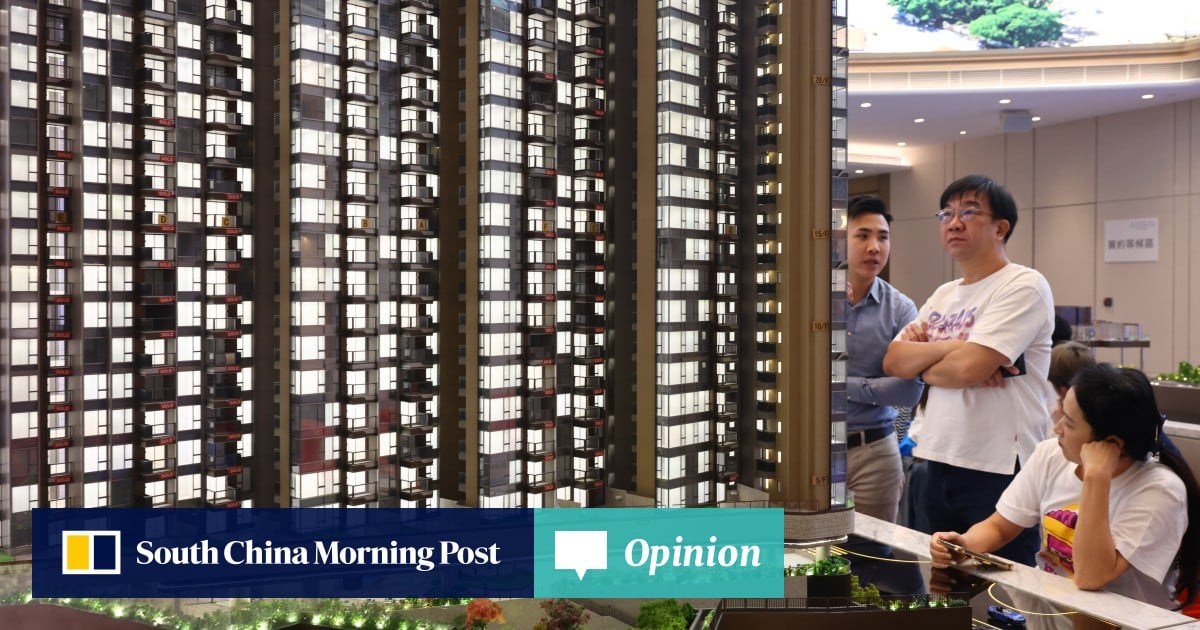
3-MIN READ3-MINNicole ChanPublished: 9:30am, 13 Mar 2026Across Asia’s densest cities, the milestones of adulthood are quietly shifting. Couples share kitchens with parents. Some wait years on public housing lists. Others secure a flat before thinking about a ring. In some cases, keys come before vows. Increasingly, love moves in step with property. Square footage, mortgage approvals and ballot results shape decisions that once felt spontaneous.
At first glance, falling fertility rates might look like a purely economic or demographic problem.
Generational experience shapes these decisions as well. Many millennials and members of Gen Z grew up with parents stretched thin by work, long commutes and nights spent catching up instead of being simply present. For some, parenthood carries the quiet determination to do things differently: to prioritise attention, presence and time deliberately spent together. For others, those same childhood memories reinforce hesitation. Parenthood becomes a set of compromises that feels too heavy, a life-altering choice that carries costs many may not want to shoulder.
Urban life and independence complicate matters further.
Hong Kong wants to boost its birth rate, but what would it take for people to have more babies?