Image caption, Lundy Island, in the Bristol Channel off the north Devon coast, is facing closure unless it receives meaningful rainfall
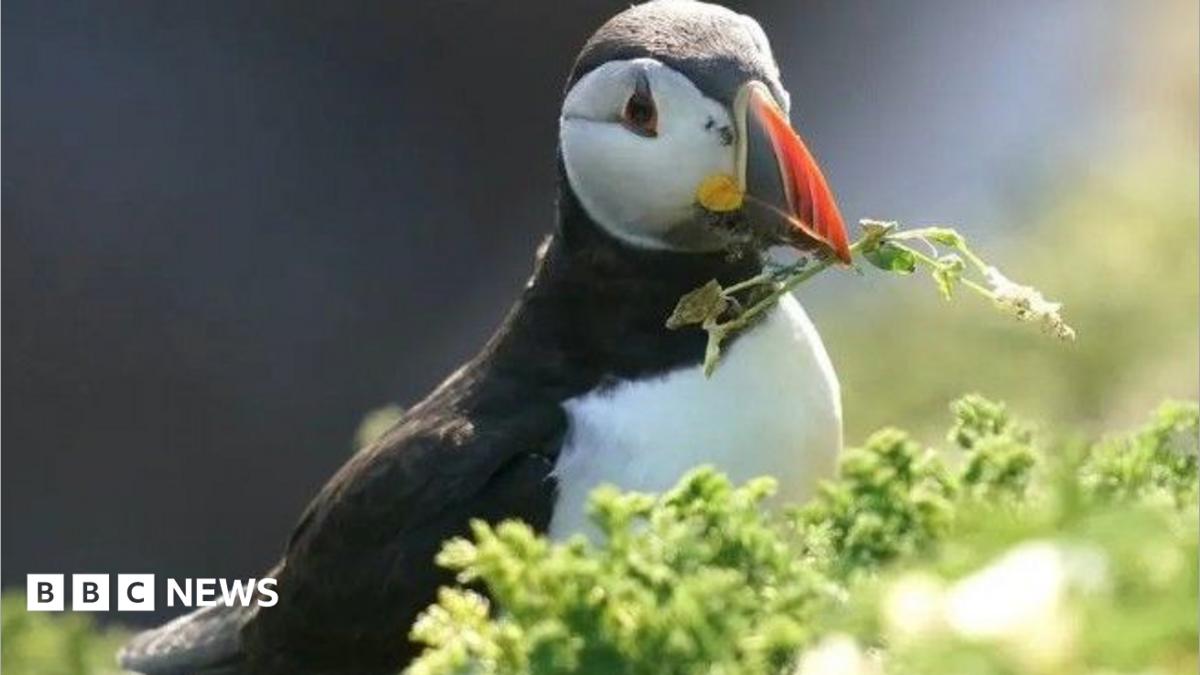
Famed for its puffins, the picture-perfect island of Lundy attracts birdwatchers from all over. But the island is on the cusp of being evacuated as water levels drop to the lowest levels ever, forcing residents to take drastic measures to ensure supplies do not run out.
Located in the Bristol Channel off the north Devon coast, the 5km (3.1 mile) long island is not the first place you expect to be running out of water.
It is rich with wildlife including puffins and seals and its rugged landscape makes for breathtaking views.
But speak to the handful of residents here and they will tell you of the battle waged since summer to ensure the taps do not run dry.
Entirely self-sufficient, the National Trust-owned island relies on a combination of rainwater and boreholes drilled into the granite for supplies.
Severe water shortages in Lundy are not new, with islanders and visitors previously resorting to bottled water.
Image caption, Island managing director Derek Green said closing the island would be devastating
But the hottest and driest summer on record has been a "steep learning curve" for islanders, said Lundy managing director Derek Green.
He said there had been no significant rainfall since April and it had barely seen 20% of the typical 1.5m (4.92ft) rain it expected by this time of year.
Reservoir levels dropped to 13% at their lowest, forcing emergency shipments of water from the mainland to the 28 people who live on the island.
Water restrictions are also in place for residents and visitors. Among the more extreme measures is the removal of plugs so tourists are not tempted to take a bath.
The island, which is managed by the Landmark Trust, is now pumping water from ponds used by wildlife to a treatment works as a "last resort".
"Bringing in pond water is something we've never had to do before," Green explained. "It's really our last chance saloon here.
"If we didn't do this, we would be facing the reality of closing Lundy... it would be devastating for us."
Image source, PAImage caption, Visitors are drawn to Lundy for its wildlife, including puffins, but the island may have to close for business
Green stressed pond levels had started to drop and a seasonal passenger ferry that has been shipping water to the island is due to end later this month.
"Hopefully the reserve in the pond will last until it rains but because it hasn't rained in so long, this is desperate measures," he said.
"We've got a working farm here and the animals need water every day... so to evacuate those animals, those people and to cancel all those holidays is something that has never happened in the history of Lundy before.
"It would be hugely significant... we're on the cusp of having to make that decision."
Image source, Landmark TrustImage caption, The island has received emergency shipments of water from the mainland since August
The use of pond water led to some recovery in reservoir levels, now at 23.7% full, but Green said islanders were simply "praying for rain".
BBC meteorologist David Braine said there was some rain in the forecast for Lundy, but it would take weeks to top up the groundwater and reservoirs the island relied on.
The very dry spring and summer followed record rainfall in the later part of the winter and it was only in March when most of reservoirs in the south-west of England were full.
Shipments of water on passenger ferry the MS Oldenberg from north Devon began in August.
The first delivery to the island of about 67,000 litres had been the biggest and cost about £7,000, said Green.
Since then, they have shipped 4,000 litres of water three times a week, with islanders using between 9,000 litres to 11,000 litres of water a day.
Getting the water from the port to residents has not been an easy process as the island only has a granite track and a handful of vehicles including three 4x4s, tractors, quadbikes and a fire engine.
Adding to the logistical pressure, a landslip in June closed off part of the track to the tiny village at the top of the island about 400ft above sea level.
Green said: "We have to offload the tanks off the ship and we have to bring them up to a staging post halfway up the hill.
"We then have to pump water with a fire hose past the vulnerable part of the road to another tank where it's then staged pumped to the reservoir at the top."
Image caption, Island manager Matt Scantlebury said baths were banned for guests at the island's pub
Island manager Matt Scantlebury said the shortages had been a "logistical nightmare".
He said the island's pub, The Tavern, had closed toilets and removed bath plugs to help conserve supplies.
"We can't have baths... all the plugs have been removed to resist temptation," said Scantlebury.
"People are showering with buckets to catch the water and then using that to flush the toilets and that's saving water.
"We've had to close the pub toilets so the visitors have all been funnelled to the back shed toilets because they aren't on our mains water supply... we now have to fill them from our pond water."
Image caption, Transport issues caused by a landslip means a fire hose is used to bring water to the top of the island
Green, who started working on Lundy in 2004, said water shortages had become more frequent and they also considered shutting the island in September 2025 when reservoir levels hit 33%.
He said the changing climate was more "pronounced on Lundy" and islanders needed to adapt.
"Forecasters are predicting it will be even warmer next year," he said.
"We've got to learn from this and be better prepared next year in terms of increasing the reservoir here.
"People need to learn to use a little less water over the winter... it's a sharp learning curve for us and the wider region."
Scantlebury said he was concerned for the future and it would hard to keep levels at a "reasonable level" without meaningful rain over autumn and winter.
"It's a trend we have to watch out for," he said.
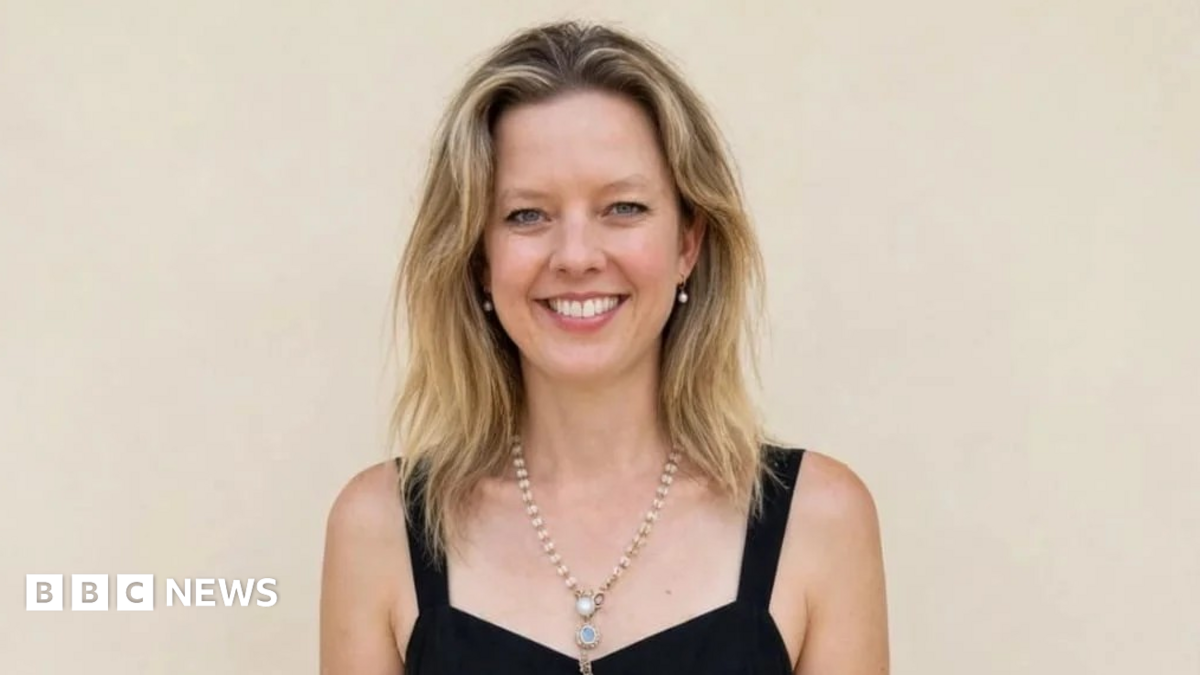
Image caption, Tara McEvoy-Wilding said 2026 was the year climate change hit home for islanders
Assistant warden Tara McEvoy-Wilding said 2026 had been eye-opening and the "brown, sad and crispy" vegetation was a visual reminder of how dry it had been.
"This year feels like the real first year people have been noticing climate change," she said.
"For Lundy, it's going to be a challenge going forward. We're going to have to be extra mindful and plan further in advance to maintain our water security."
As Green looks out over the "beautiful, remote and tranquil" landscape, he is fearing for the future.
"I never ever thought we would have to take water from our ponds but this is the position we find ourselves in," he said.
"We're in real jeopardy right now unless it rains very, very soon."
Follow BBC Devon on X, external, Facebook, external and Instagram, external. Send your story ideas to spotlight@bbc.co.uk, external.
Victorian bridge hidden under reservoir is revealed
At least seven months of relentless rain needed to end drought, research shows