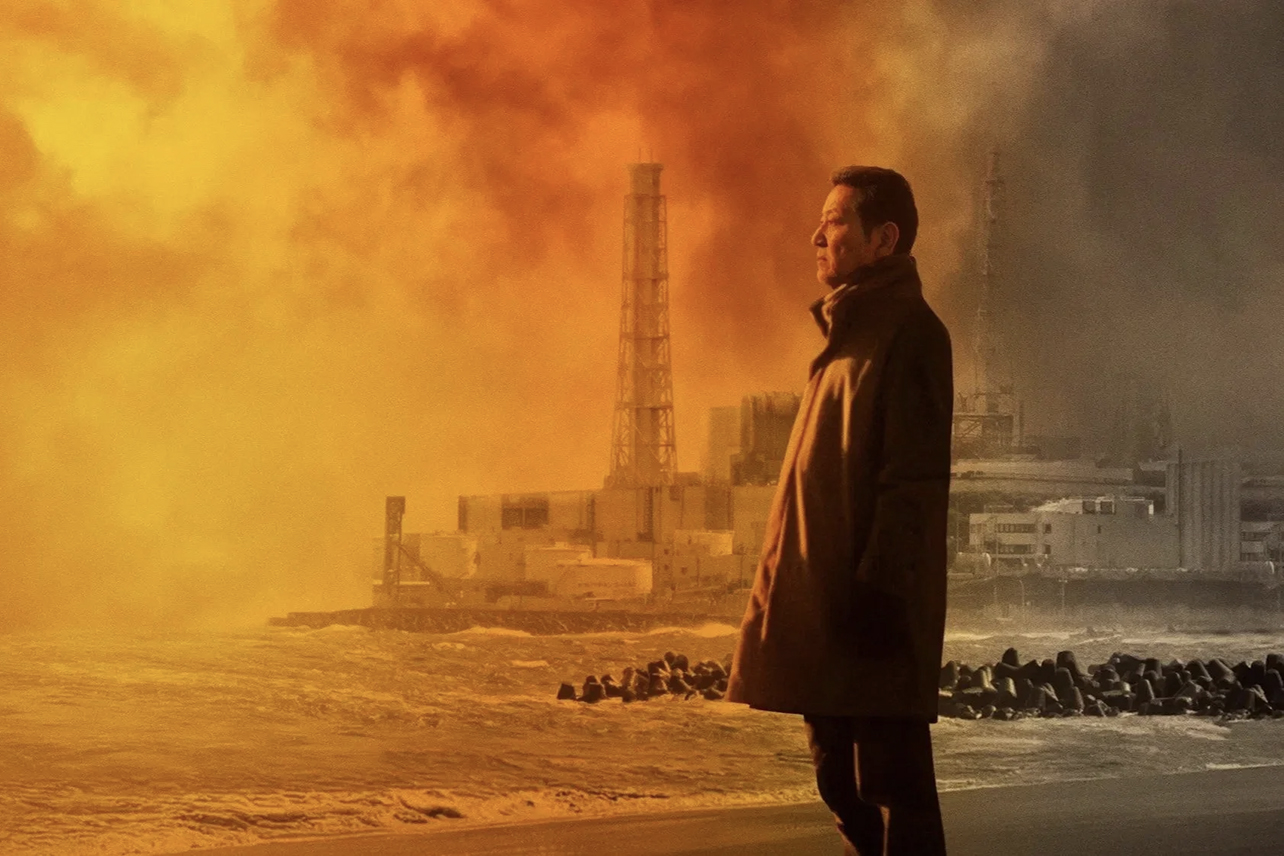
Fukushima: A Nuclear Nightmare (now streaming on HBO Max) debuts 15 years to the day since the world’s second-worst nuclear power plant catastrophe occurred, and to paraphrase one of the documentary’s talking heads, it’s about two disasters: one natural, and one “entirely manmade.” British director James Jones tackles his second nuclear-reactor saga after 2022’s Chernobyl – The Lost Tapes, and the films are similar in their assemblage of real-time footage taken the day of the calamity and during the following incredibly tense days and weeks. And by the very nature of these stories and the manner in which Jones tells them, both docs are gripping and essential.
The Gist: “We were told Japan would cease to exist if we failed.” Those are words of a nuclear technician who likely can’t believe he’s still alive today. Maybe you’re aware of how dire the situation was, maybe you’re not, but you likely know this: On March 11, 2011, a massive undersea earthquake shook Japan, unleashing a towering 33-foot tsunami toward the island nation. We see disturbing, apocalyptic footage – from cell phones and security cameras – of skyscrapers wobbling, offices and warehouses full of people panicking, water gobbling up real estate as a van races away from it, cars and helicopters washing away as the wave obliterates an airport. You also know that the calamity destroyed the primary and backup energy sources for the Fukushima Daiichi Nuclear Power Planet in northern Japan, resulting in the evacuation of more than 160,000 people, and explosions at three of the plant’s six reactors. (Notably, Chernobyl was home to only one reactor.)
But you may not know, a lot like Chernobyl, this nuclear disaster could have been prevented. It adds to the collective grief and anxiety of the nation, concerning all things nuclear – America’s nuclear-bombing of Nagasaki and Hiroshima during World War II is an indelible piece of Japan’s modern history (reflected in pop-cultural standbys such as Godzilla), and that occurrence not only functions like the slow half-life dissolution of radioactive material, but hovers over the Fukushima story like a shroud, as Japanese officials were reluctant to trust America and its offers to send help, leery of ulterior motives and the optics of the situation. Two key contributors to A Nuclear Nightmare are Ikuo Izawa, a mid-level engineer at Fukushima, who gives a harrowing you-are-there perspective of events, and Tokyo-based New York Times reporter Martin Fackler, who shares a wider third-person view. Unsurprisingly, both are upsetting.
Izawa explains how he and other engineers strung together car batteries to get the electrical system functioning, how they weathered the three explosions that somehow managed to not result in complete reactor meltdowns, although a likely fourth reactor explosion had the potential to be even worse (for context, a full meltdown occurred at Chernobyl). He also shares stories about how he and other plant workers took photos to commemorate what looked like their final days on this planet, that everyone smiled and put their arms around each other despite their likely fate – and we see some of those photos, with radiation-suited people giving thumbs-up and peace signs to the camera. He also discusses what happened when he and his coworkers had to select people for “suicide squads” to do potentially fatal tasks, and how, with phone communication nearly impossible, he ended up emailing goodbyes to his children.
Meanwhile, Fackler reveals how the response to the Fukushima situation was bungled by panicked authorities, as deliveries of requested materials were abandoned by drivers fearing radiation exposure, and when some of the materials actually got through, they were different than what was requested. On top of that, the Tokyo Electric Power Company (TEPCO) knew ahead of time that this situation could potentially happen, and did nothing about it, due to the expense involved, and to save face – to accept further safety protocols is to admit that your plant isn’t already safe, you see. Which of course is the type of backward, irony-drenched thinking that gets people killed.
What Movies Will It Remind You Of? The implications of “bad optics” around nuclear power are explored by Oliver Stone in another HBO doc, Nuclear Now, which lays out how it’s the safest power source despite high-profile disasters – and that the greatest of those disasters are the result of human error and shortsightedness.
Performance Worth Watching: Izawa’s testimonials are endlessly compelling and deeply moving, a reflection of the human condition via stories that elide too-easy descriptors like “heroic” or “selfless.”
Our Take: The frustrating sketchiness of details in Fukushima: A Nuclear Nightmare is absolutely part of this story – the film concludes with the assertion that TEPCO and authorities have kept reports on the incident from the public, shrouding the story in a blatant lack of transparency. One TEPCO employee even goes on camera and says utilities like this shouldn’t be the domain of private companies. As Jones’ interviewees illustrate the difference between human error and human behavior, it becomes clear that capitalism is the domain of the latter.
The lack of hard data pushes the documentary more into the domain of emotional drama, its tone set by Izawa and other technicians who share the existential anguish they felt during those harrowing days. That softens the impact of A Nuclear Nightmare somewhat, as does the anticlimactic manner in which the major drama was resolved – a division of the Tokyo fire department known as the Hyper Rescue Squad rushed in and pumped water into the reactor tank, cooling the rods so they wouldn’t melt down. It was a deceptively simple means of assuaging the danger, and one might be prompted to wonder why it didn’t happen sooner.
And so the film skews toward being quietly, rather than overtly, damning. Jones’ use of raw archival footage is powerful, bolstered by the usual blend of news clips and talking heads. You may wish it was bolder, but its implications are clear – corruption and a lack of oversight render human behavior as the true villain of the story, more so than the cold, unfeeling hand of nature. Cynics won’t be surprised by such failings of our species, but the strong character of men like Izawa and Hackler do give us some hope.
Our Call: Fukushima: A Nuclear Nightmare is brutal, but vital viewing. STREAM IT.
John Serba is a freelance film critic from Grand Rapids, Michigan. Werner Herzog hugged him once.