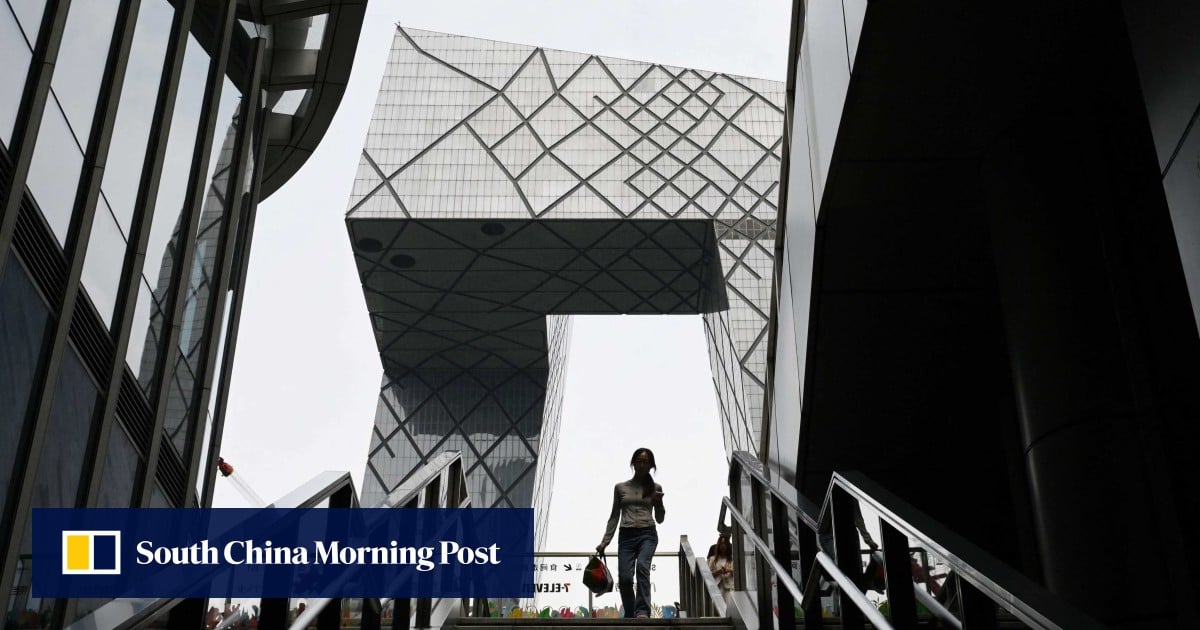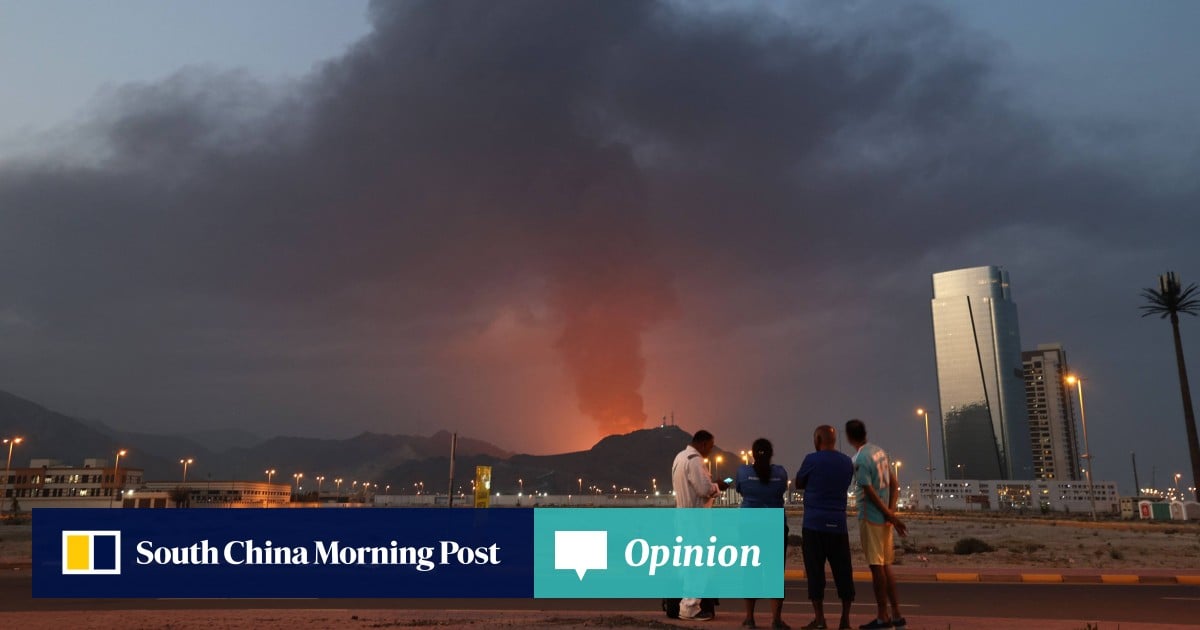
AI data centres, financial hubs and tourism are not peripheral to the Gulf’s growth; they are central to both opportunity and vulnerability
3-MIN READ3-MINIslam AlhalawanyPublished: 8:30pm, 11 Mar 2026For decades, geopolitical risk in the Gulf was largely synonymous with oil. Pipelines, export terminals and processing facilities were viewed as the obvious tender spots in times of regional escalation. In an oil-reliant economy, hydrocarbons were both the engine of growth and the primary vulnerability. Risk assessments, insurance premiums and sovereign spreads were managed accordingly.The episodic risks in the oil and gas industry led to a conventional playbook for navigating crises. Gulf producers maintain strategic reserves, redundant export routes and rapid repair capabilities. Strong sovereign balance sheets also provide additional shock absorbers. Over time, markets adapted and temporary disruption became part of the pricing model for an energy-dependent region.
Even the renewed targeting of traditional oil and gas infrastructure no longer only risks depriving external markets of energy sources. Rather, it threatens the backbone that provides the Gulf’s artificial intelligence ambitions with a critical competitive advantage of cheap, abundant and reliable power.
How US-Israeli strikes on Iran are sending shock waves through global energy markets