Make New York Post a Preferred Source As a record-low number of Americans believe attending college is crucial for success, colleges across the country are slashing tuition by tens of thousands of dollars — though the eye-popping cuts often won’t translate into equally large savings for families.
The Post identified at least a dozen colleges and universities that have cut or announced cuts to tuition or required program fees this year, with several private schools chopping published undergraduate prices by roughly 40% to more than 50%.
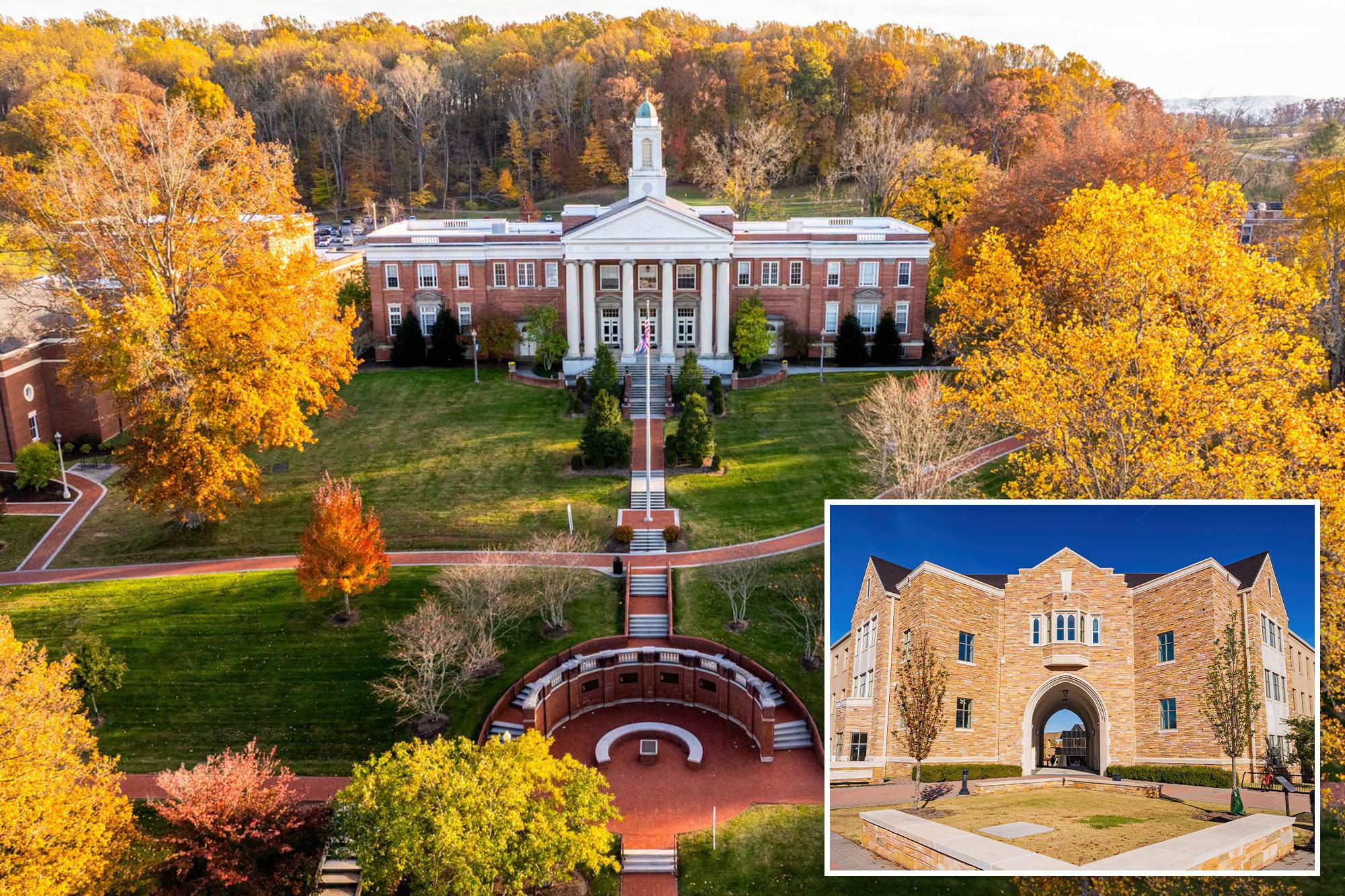
Emory & Henry University in Virginia cut tuition roughly in half to $19,990 this fall, while Arizona’s Prescott College lowered on-campus undergraduate tuition 55.8%, from $33,960 to $15,000.
The University of Tulsa plans to cut undergraduate tuition and university fees from $54,000 to $25,000 in fall 2027 — a $29,000, or 53.7%, reduction.
Coe College in Iowa will drop tuition from $58,780 to $31,850 for 2027-28, while Montana’s Carroll College will cut tuition and general undergraduate fees from $44,712 to $26,800.
Concordia University, St. Paul in Minnesota will cut tuition by $5,500 to $21,700 for on-campus undergraduates beginning in fall 2027.
The trend, first reported by Bloomberg, is challenging a private-college pricing model in which schools post daunting tuition rates, then heavily discount them with merit scholarships and institutional grants.
The average institutional discount rate for first-time undergraduates at participating private colleges reached 57.1% in the 2025-26 academic year.
Nick Standlea, founder of High School Reach, which helps families compare college costs and financial-aid offers, told The Post that the tuition resets reflect a shift away from the high-price, high-aid model.
That means many students already pay far less than sticker price — and some colleges are shrinking scholarships as they lower tuition.
“The high sticker price existed partly to make large scholarships feel valuable,” Standlea said.
“But as consumer sentiment shifts to being more price-conscious for college, this strategy of high sticker price [and] generous aid might no longer be viable.”
Indeed, just three in 10 Americans said in a new Gallup poll that they believe post-high-school education is “very important.”
Investor and author Doug Casey, a longtime critic of higher education who co-wrote “The Preparation: How To Become Competent, Confident, and Dangerous,” dismissed the cuts as beside the point.
“What they’re selling is not only grossly overpriced, but it’s a destructive product,” Casey told The Post.
“I wouldn’t pay anything for a so-called college education,” he added, arguing that only degrees in science, technology, engineering, math and medicine retain value in today’s market.
Emory & Henry previously offered merit scholarships of as much as $23,000 against tuition approaching $40,000. Under its new model, tuition is $19,990 and university-provided merit scholarships are generally $5,000 or less.
The Virginia school enrolled 100 more new students this fall than last year, according to Bloomberg.
Tulsa expects freshman and transfer enrollment to rise 10% to 12% after its reset, the outlet reported. Moody’s Ratings downgraded the university to junk in August, citing “massive structural deficits.”
Research on whether tuition resets produce lasting enrollment gains is mixed.
A 2022 peer-reviewed study found little evidence that large published-price reductions consistently produce long-term increases in first-year enrollment.
“Assuming some kid wants to misallocate four years of his time in the academic womb, he should be paying a lot less than he is now,” Casey added.
Not all the cuts involve traditional undergraduate tuition.
The University of Vermont will offer eligible students from five neighboring states tuition of about $30,240, more than 35% below its regular nonresident rate, if they enroll in one of 31 designated majors.
UC Irvine cut Flex MBA fees by $30,000 to $99,000 and Executive MBA fees by $48,000.
Neumann University lowered tuition 15% to 29% in selected graduate programs, while Virginia Tech Carilion School of Medicine cut annual tuition for Virginia residents by $15,000, or 23.4%, to $48,985.
Casey argued that students should consider alternatives to college, including acquiring practical skills.
“There’s a lot to be said for learning practical skills in that four-year period of time,” Casey said.
“It’s not really a question of the cost,” he added.
“That’s the least damaging part of going to college today. It’s wasting four years of time that you could be spending getting an actual education.”