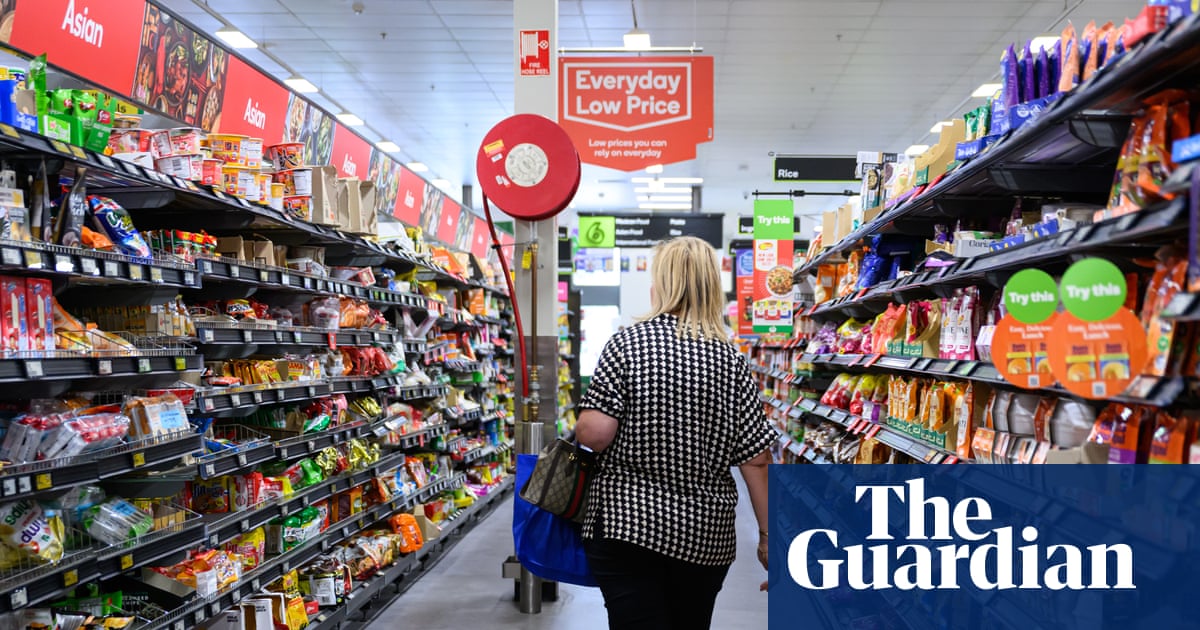
The Australian Greens thinktank says consumers would save up to 22% on the average shop under its plans to nationalise Coles and Woolworths supermarkets. Photograph: James Gourley/Getty ImagesView image in fullscreenThe Australian Greens thinktank says consumers would save up to 22% on the average shop under its plans to nationalise Coles and Woolworths supermarkets. Photograph: James Gourley/Getty ImagesGreens pitch Zohran Mamdani-style $25.1bn plan to nationalise 200 Coles and Woolworths supermarketsFormer MP and Greens Institute head, Max Chandler-Mather, says proposal for publicly owned supermarket chain will ease grocery prices
Get our new political email, free app or daily news podcast
More than 200 Coles and Woolworths supermarkets would be nationalised, and hundreds of government grocery stores opened, under a $25bn plan being put forward by former Greens MP Max Chandler-Mather.
Channelling New York mayor Zohran Mamdani’s plan for publicly owned grocery stores, Chandler-Mather, the boss of the party’s thinktank, the Greens Institute, wants to use new forced divestiture laws to take over major supermarket sites and three distribution centres.
The government would fund another 424 new supermarkets and 10 distribution centres, taking about 20% of the market share of commercial operators for the new non-profit network.
Sign up for Guardian Australia’s Politics, really newsletter here
Chandler-Mather says the new stores – dubbed Fair Go Grocers – would save consumers as much as 22% on the average shop, or $60 per week for a four-person household. Heavy discounts would be put in place for essentials including fruit and vegetables, bread, milk and meat.
Read moreA statutory authority would be established to set prices each month, as well as minimum wholesale rates for suppliers. Its members would include experts in supermarket operations, nutrition and food science, and farming.
The federal government would pay for capital costs including land, construction, and acquisition, and stores would be located in areas of the highest need.
After an initial $25.1bn price tag over five years, Chandler-Mather says the stores would be self-funded and not require additional taxpayer cash.
By comparison, the federal government currently spends about $24bn each year on the Pharmaceutical Benefits Scheme.
“Kids are going to school hungry, families are skipping meals, people are cutting back on essentials, all because Labor has allowed Coles and Woolworths to jack up prices for extra profit, regardless of the human consequences,” Chandler-Mather said.
“Just like healthcare and education, food is essential to life. And just like Medicare and public schools, it’s time we had a public option for food.”
The proposal is similar to Mamdani’s plan for five city-owned and subsidised grocery stores, one in each of New York City’s boroughs, opening by 2029. Last month a local business group sued the Democratic Socialist mayor, arguing existing small grocery stores would be unable to compete.
The New Zealand Greens have a plan to nationalise 120 supermarkets and establish a new publicly owned chain called KiwiMark.
The Greens Institute commissioned pollsters YouGov to test public support for the proposal last month, with background on Mamdani’s plan for government-owned stores that cut out profits made by private corporations.
30:30Greens’ David Shoebridge on his plan to beat One Nation and replace Labor – videoVoters were asked: Would you support or oppose publicly owned supermarkets being tried in Australia? A total of 84% said they strongly supported or somewhat supported the idea, while 16% somewhat or strongly opposed the idea.
Support was strongest among voters aged 25-34 (88%), among Greens voters (96%) and women (88%).
Newly elected Greens leader David Shoebridge, under pressure to spur enthusiasm and attention for the party, has welcomed the proposal, saying the Greens should be focused on improving the material conditions of individuals, the environment and community.
“A publicly owned supermarket with cheaper food is wildly popular, because it makes people’s lives better,” he told Guardian Australia.
“Of course this is the sort of policy that we should be discussing right now.”
Shoebridge said Mamdani’s message about the government needing to address the needs of citizens was working.
“When I talk to people, I hear about the dread they feel heading down the supermarket aisle, the shopping trolley feels like pushing a boulder up to the checkout,” he said.
“While 99% of us are paying more for food, and many are making decisions about enough food or some other essentials, the 1% who own Coles and Woolies are laughing.”
The competition watchdog has brought cases against both Coles and Woolworths over false or misleading representations about in-store discounts, and a report released last year found they were among the most profitable grocers in the world.
The Greens allege Labor’s new laws banning supermarkets from excessive pricing are ineffective and have not resulted in lower costs for consumers.