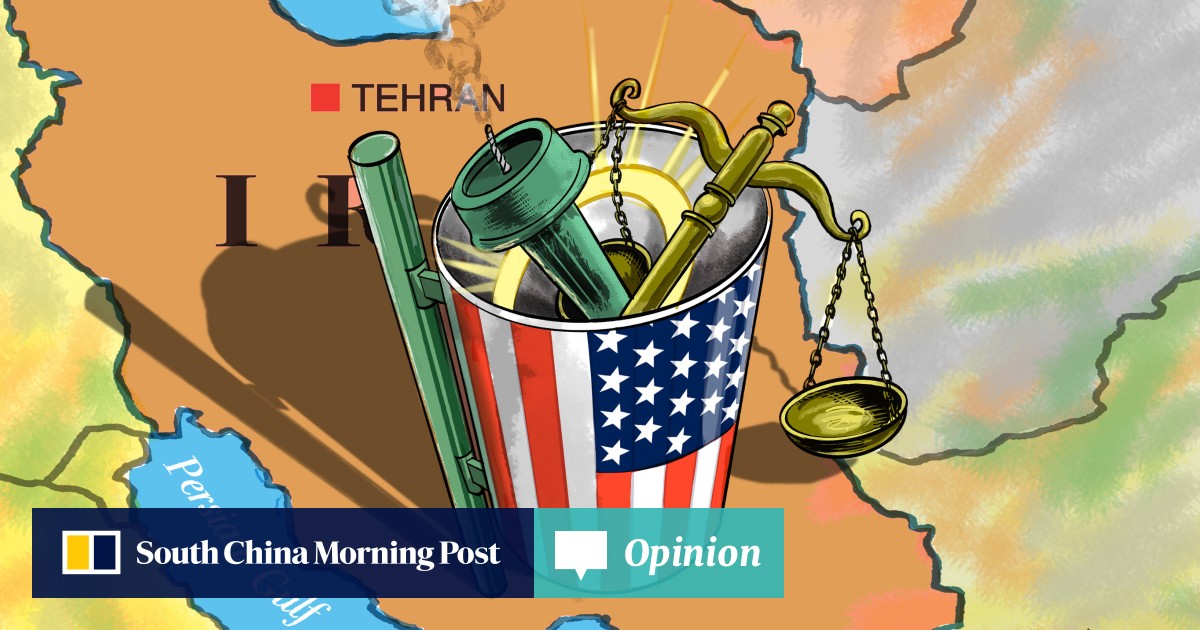
A preventive war waged without allied consensus risks undermining Washington’s legal and moral standing – strengthening Beijing’s hand
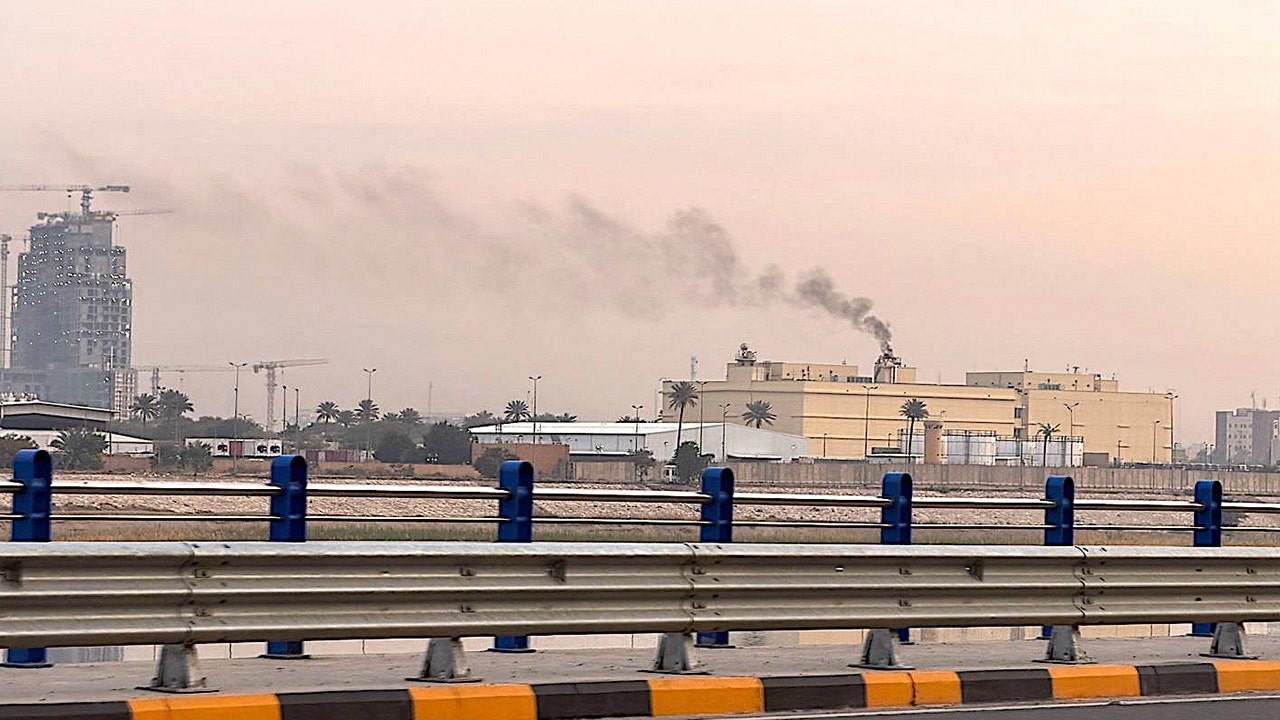
4-MIN READ4-MIN ListenSophie Wushuang YiPublished: 9:30am, 11 Mar 2026The US launched its war against Iran on February 28, convinced that decapitating Tehran’s leadership would produce swift political capitulation. A week later, Iran was still firing missiles across the Gulf, some 150 oil tankers were stalled at the Strait of Hormuz and an Iranian Revolutionary Guard commander has threatened to set ablaze any vessel attempting passage.A recent analysis in The Diplomat argues the strikes signal the end of China’s westward strategic march. The diagnosis captures real costs but mistakes a disruption for a defeat. For Beijing, the more consequential question is not whether Iran has fallen, but whether Washington has stepped into its deepest quagmire since Iraq.The case for a Chinese calamity rests on one assumption: that Iran collapses quickly, freeing US resources for an Indo-Pacific pivot. That assumption is already fraying. Air power can destroy facilities and eliminate commanders, but it cannot legislate political outcomes. For a case in point, consider Libya in 2011. Nato pressure succeeded only because there were organised rebel forces already on the ground, while no comparable force exists in Iran today.
Trump says US objectives in Iran ‘way ahead of schedule’ and attacks may end ‘soon’