Make New York Post a Preferred Source Gov. Kathy Hochul on Friday called for Albany lawmakers to close what critics call New York’s “voluntary intoxication loophole” in order to prevent cases like the sick alleged gang rape of a student at Cornell University.
Hochul, who is up for re-election next month, said she will “work with the New York State legislature” to change current state law, which shields predators who take advantage of a victim who has voluntarily consumed drugs or alcohol.
“If someone is too intoxicated to consent, it should not matter whether they chose to use drugs or alcohol,” Hochul said.
“Voluntary intoxication is not a license for sexual assault, or gang rape, period,” she added.
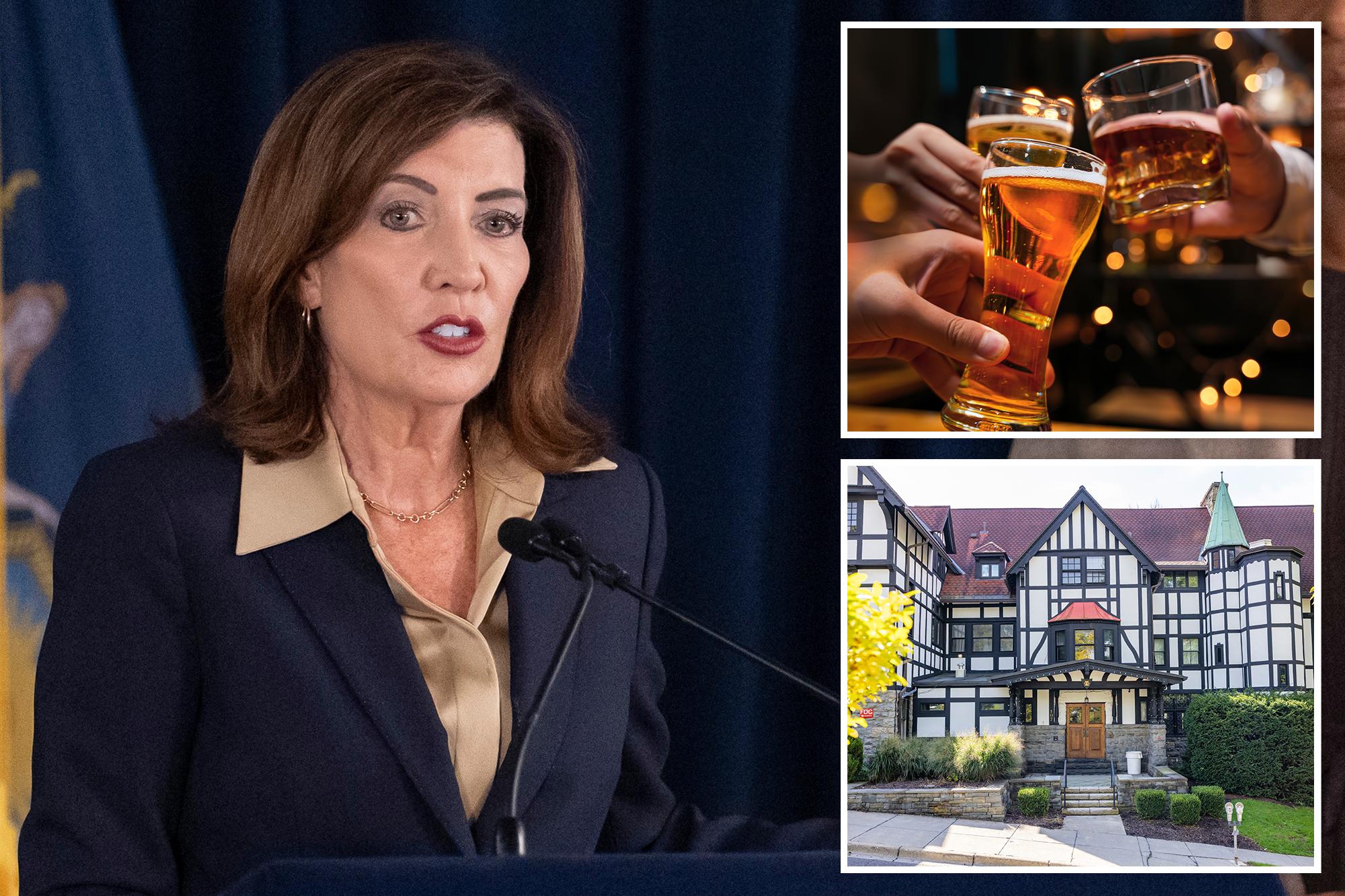
The Chi Phi Fraternity House is pictured on the Cornell University campus in Ithaca, N.Y., on Wednesday, Sept. 30, 2026. Cornell has been the center of a growing scandal regarding sexual assault that was underreported at the fraternity house in 2024. Lone Pine Press for NY Post Hochul was speaking at a press conference announcing her move to appoint state Attorney General Letitia James as a special prosecutor to take over the Tompkins County District Attorney’s office newly reopened criminal probe into the Cornell case.
State lawmakers and activists have been pointing to the case of an anonymous Jane Doe who says she was sexually assaulted by seven Chi Phi fraternity brothers in 2024 as an example of why the law needs to be changed.
A bill to close the loophole has almost unanimously each every year in the state Senate, but has repeatedly failed to make it to the Assembly floor under Speaker Carl Heastie (D-Bronx).
“Governor Hochul’s support demonstrates growing momentum,” state Sen. Natalia Fernandez (D-Bronx), who sponsors the long-stymied bill wrote in a statement to The Post Friday.
New York Governor Kathy Hochul speaks during a news conference with New York Attorney General Letitia James, Friday, October 2, 2026, in New York. AP Photo/Yuki Iwamura Assemblyman Jeffrey Dinowitz (D-Bronx), who sponsors the legislation in the lower house, said he’s been hearing from more lawmakers now willing to support his bill since the Cornell case highlighted the issue.
“This horrific incident, might have been the straw that broke the camel’s back in terms of moving on this issue,” Dinowitz said.
“We’re going to pick up more support and I am very hopeful that we are going to pass this bill in the Assembly.”
Hochul did not expressly say if she supports the Fernandez-Dinowitz legislation in its current form and did not say she would reconvene the state legislature in order to consider it, prior to their returning to Albany in January.
The change the lawmakers and Hochul are suggesting would bring New York in line with 25 other states, such as California, Texas and Illinois, according to an Associated Press analysis.
Jane Manning, a former sex-crimes prosecutor and director of the Women’s Equal Justice Project, said passing legislation to close the loophole “is long overdue.”
“We are urging the governor to get this bill passed without delay,” Manning said.