The post-Olympics news cycle was a dizzying display of handwringing over the supposed victimhood of empowered, badass American female athletes.
If we were to believe much of our media and feminist commentators, these women had been disrespected by President Trump, who cracked a joke, and by the men of Team USA hockey, who laughed.
It led to an online geyser of anger and indignation on the women’s behalf.
Off the phony controversy, we heard the refrain that women athletes are treated like gum on the bottom of a shoe. BuzzFeed even crowdsourced microaggressions in a piece entitled, “Calling All Women’s Athletes, Share A Time When You Felt Mistreated Or Disrespected In Your Sport.”
But the truth is, American female athletes are the most privileged and, in many cases, best compensated, in the world. It’s why our women dominate. Beyond the top-notch resources at their disposal, they are free to marry whom they want, wear what they want and speak out on their pet causes — even on a world stage.
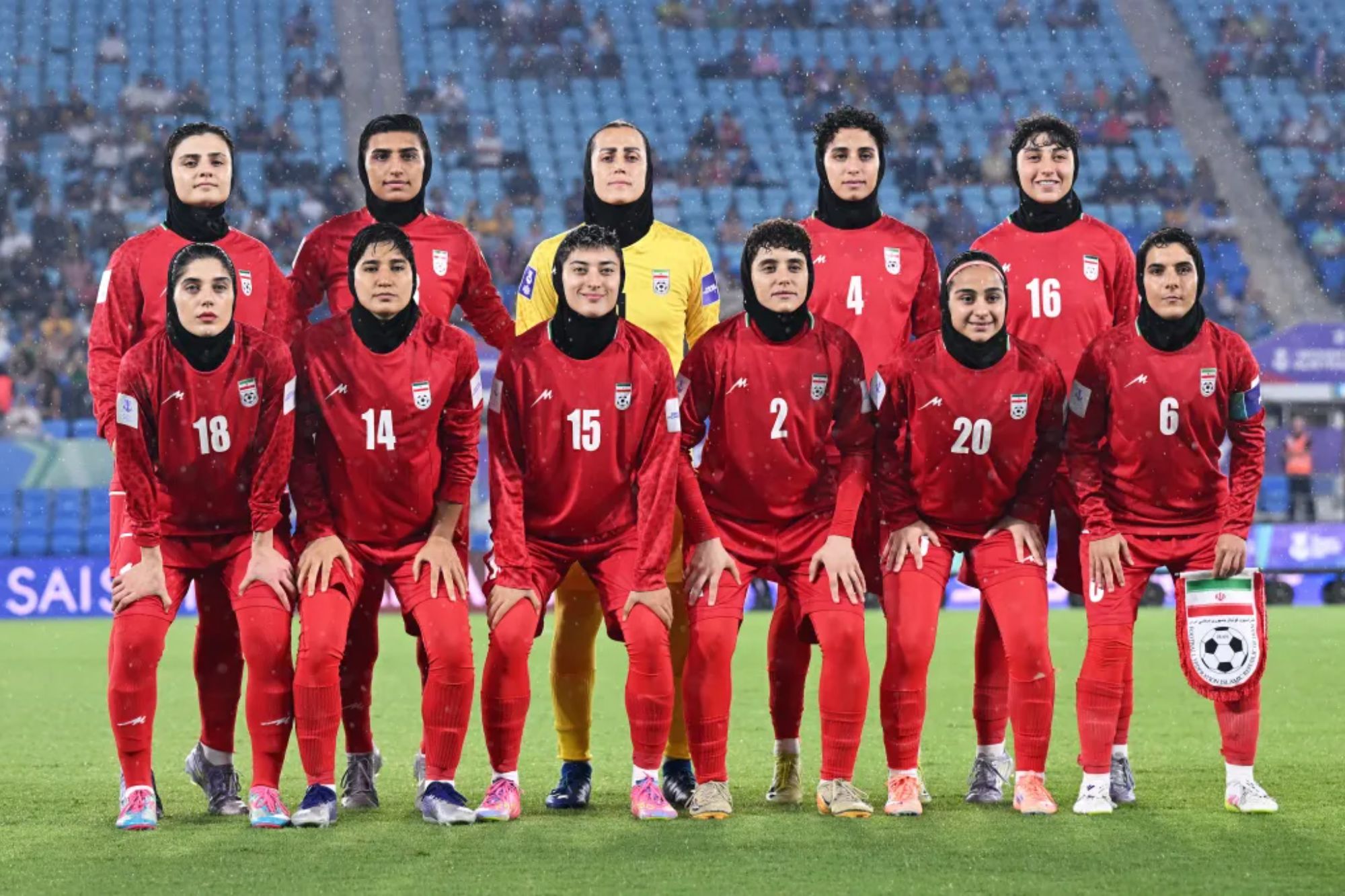
Surely, the brave Lionesses from Iran would trade places in a second. Their heartbreaking human drama is a sharp contrast to the freedoms females enjoy here.
The Iranian women’s soccer team now faces an uncertain future at home after a quiet pre-game protest in Gold Coast, Australia, on March 2.
During a match against South Korea in the Asian Cup — the kickoff of which was less than 48 hours after the US started bombing Iran’s tyrannical regime — the women stood in defiance of the expectations from their government.
It was true courage on display. Not a gesture that might sentence them to some nasty online comments, but one that came with real life consequences.
It was also a gamble, and a leap of faith, that perhaps they’d be returning home to a different Iran — one that allowed them freedom and self-determination.
They lost that match to South Korea, but the world was watching. Including Iranian state media, which branded them “traitors during wartime.”
Mohammad Reza Shabhazi, a presenter on Islamic Republic of Iran Broadcasting, added the chilling verdict that they “must be dealt with more severely.”
Reportedly under the pressure from handlers and chaperones, the athletes publicly changed their tune. At subsequent matches, the women in hijabs dutifully sang along to Iranian anthem and saluted.
Lord knows what terror befell them after their brave act. The athletes all faced fear of retribution against their families back home.
After they were eliminated from the Cup in a 2-to-0 loss against the Philippines, panic started to set in. Even Trump urged Australia to take them in.
“Australia is making a terrible humanitarian mistake by allowing the the Iranian National woman’s Soccer team to be forced back to Iran, where they will most likely be killed,” he wrote in a Truth Social post. “The US will take them if you won’t.”
As the team bus departed from their hotel for the airport, the women were reportedly flashing a hand signal for “help” as supporters ran alongside them.
Seven of the players — Fatemah Pasandideh, Zahra Ghanbari, Zahra Sarbali, Atefeh Ramazanzadeh, Mona Hamoudi, Golnoosh Khosravi and Mohadese Zolfi— have been officially granted aslyum in Australia. In a striking photo with Tony Burke, Australia’s minister for home affairs, five of them posed without their hijabs.
Still, on behalf of the players, Burke made the disclaimer that they were not “not political activists.”
And still, relative crickets from all those people who were apoplectic about American hockey after the Olympics.
Where are the feminists? Where are the companies eager to celebrate the Iranian team’s bravery during International Women’s Month. Where is retired soccer great and avowed activist Megan Rapinoe, who is just as known for her mouth as she is her foot?
Couldn’t any of them spare a tweet? A word of support?
Do they fear aligning with Trump so much that they’d rather shamefully remain silent?
The story of the Iranian women’s national soccer team will one day be a movie — and, God willing, one with a happy ending.
These athletes weren’t just playing for country or personal glory and for country. They were playing for their lives.