Primary Menu Sections Search Email New York Post Switch between CA and NY editions here.
CA NY Open Women's Health navigation Lifestyle Lifestyle Weird But True Health Sex & Relationships Viral Trends Human Interest Astrology Parenting Fashion & Beauty Food & Drink Shopping Travel Health Wellness Fitness Health Care Medicine Men’s Health Women’s Health Mental Health Nutrition Health & Wellness Products Personal Care Products Search Search trending now in Health Skip to main content Boy, 7, dies of brain condition caused by world's most contagious... This cheap, easy habit can actually slow biological aging: study The sneaky condition that can make your penis shrink, bend... How wearable health trackers are saving people's lives Young women are shunning birth control because of the 'nocebo... New 'keto pill' mimics popular diet weight loss without giving up... Controversial breast cancer treatment increases your risk of... What is peri-orgasmic phenomena? Why some people laugh, cry and... Women's Health The ‘gender sleep gap’: Why women get worse sleep than men — but need more By Rachel Sacks Published March 10, 2026, 4:07 p.m. ET
Move over wage gap, there’s a new gender crisis.
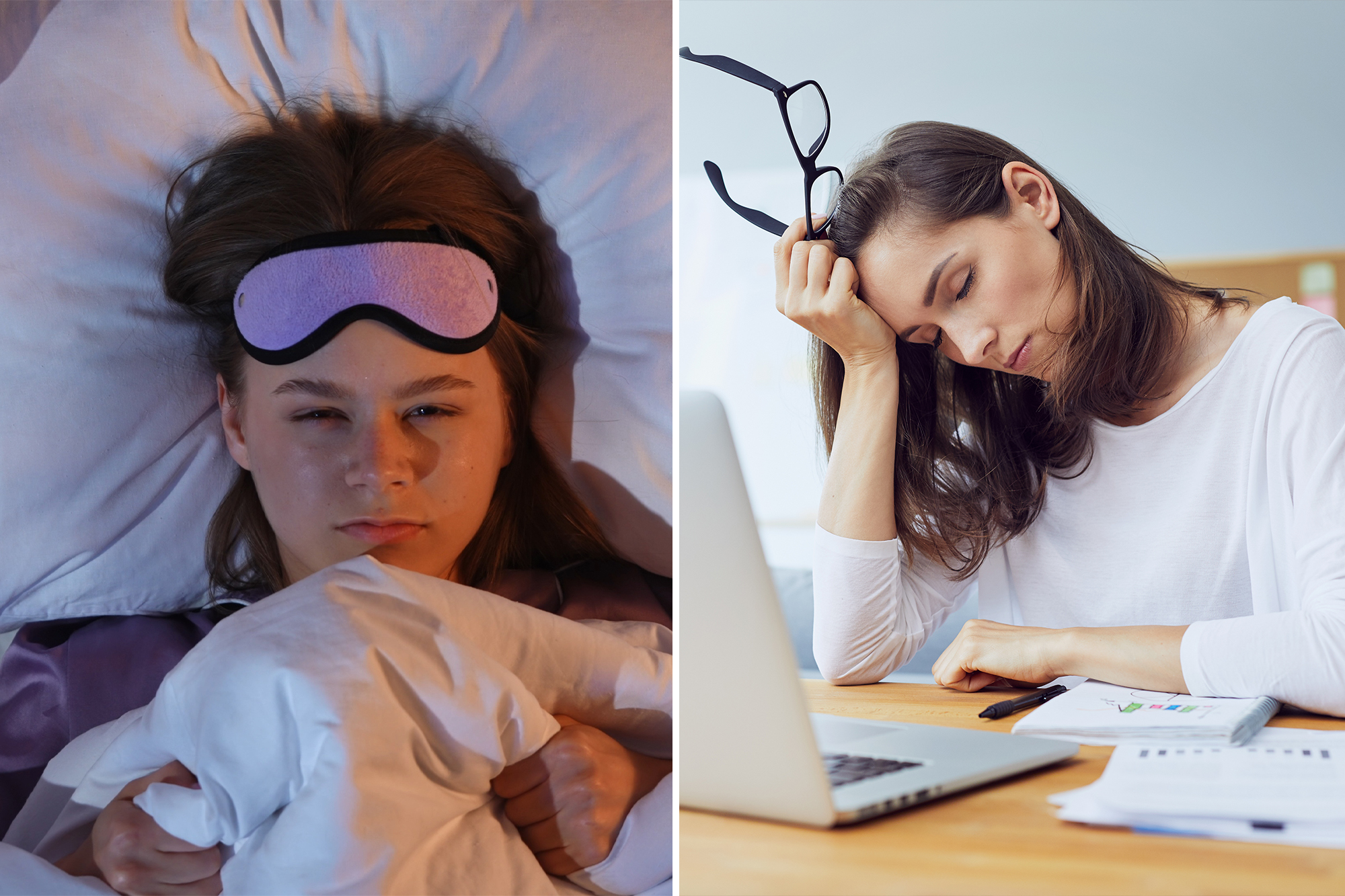
Research confirms what many women already know — they’re more tired than men, reportedly getting less and worse sleep.
For women, the “gender sleep gap” brings about lower sleep quality, more disruptions and more insomnia for a few reasons.
Several studies have found that women often get less sleep than men, despite possibly needing more. baranq – stock.adobe.com Several studies have found discrepancies between the quantity and quality of sleep men and women get each night.
A 2017 study found that only 48% of mothers under 45 years old got at least seven hours of sleep, while 62% of women without children reported the same.
More recently, a 2025 global report from Sleep Cycle reported that 57% of women woke up in an average mood — around three points lower than men’s scores.
While the difference may not seem like much, women often bear the brunt of a lack of sleep due to a combination of biological and social factors, according to Dr. Alex Dimitriu, a double board-certified psychiatry and sleep medicine doctor.
“Hormonal fluctuations throughout the life cycle, menstruation, pregnancy and menopause all play a significant role in disrupting sleep architecture and sleep quality,” Dimitriu, the founder of Menlo Park Psychiatry & Sleep Medicine, told The Post.
A combination of biological and social factors can wreck women’s sleep, causing more insomnia and disruptions. kinomaster – stock.adobe.com He added that women tend to carry more caregiving responsibilities, which can lead to increased anxiety and difficulty winding down at night.
But here’s the kicker — women actually need a bit more sleep than the universally recommended seven to nine hours.
Studies have shown that women need anywhere from six to 28 more minutes of sleep per night, though the exact reasons why are unclear.
“One theory is that women tend to multi-task more often,” Dimitriu explained. “As a result, the brain requires more time to recover and perform essential maintenance during deep sleep.”
Women also tend to pick up more of the household labor, from cooking and cleaning to taking care of children, which could contribute to a lack of sleep.
And since hormones play a vital role in sleep, the various changes women go through could explain the need for more daytime naps.
Beyond an afternoon siesta, though, Dimitriu says the fundamentals of sleep hygiene still apply to catch some more ZZZs.
He suggests wearable tech like Oura rings that can help track sleep and monthly cycles, while creating a good sleep environment with a cool, dark room can also make rest easier to achieve.
Women could also benefit from a more targeted approach.
“This includes tracking sleep patterns in relation to hormonal cycles and being particularly proactive about managing stress, including quiet time before bed and journaling to quiet the mind,” Dimitriu said. “It also helps to understand that their sleep needs may fluctuate monthly and to plan accordingly.”
Third-party tested and with rave reviews, Cymbiotika Liposomal Sleep Complex uses natural ingredients, including magnesium and L-Theanine, to support relaxation and better sleep.
Skip the grogginess. Sports Research Sleep Complex promotes restful and restorative sleep. Made with a blend of magnesium, melatonin and herbs, it’s simple to take and delivers deep rest.
For those who aren’t fans of melatonin, we suggest Wondersleep Mushroom Gummies from Plant People. The delicious gummies are made from elderberry and reishi, Corydalis, and GABA to calm your mind and help you rest.
Body temperature and sleep are connected. For hot sleepers, we recommend these cooling sheets from Olive + Crate, which are buttery smooth and keep you chill all night long.
Welcome to the deep sleep club! The padded silk mask gently hugs the face and blocks out all light. Released after three years of advanced product testing, it offers a cocoon-like experience that users love.
The hollow concave design of this cooling pillow offers thermoregulation and pain relief. Tilted at a 15-degree angle, it cradles the head and neck and is supportive to all types of sleepers.