Make New York Post a Preferred Source If it feels like you’re being nickel-and-dimed in every aspect of your life, it’s not your imagination.
Even McDonald’s is turning you upside down and shaking the loose change from your pockets as you buy that once affordable fast-food feast.
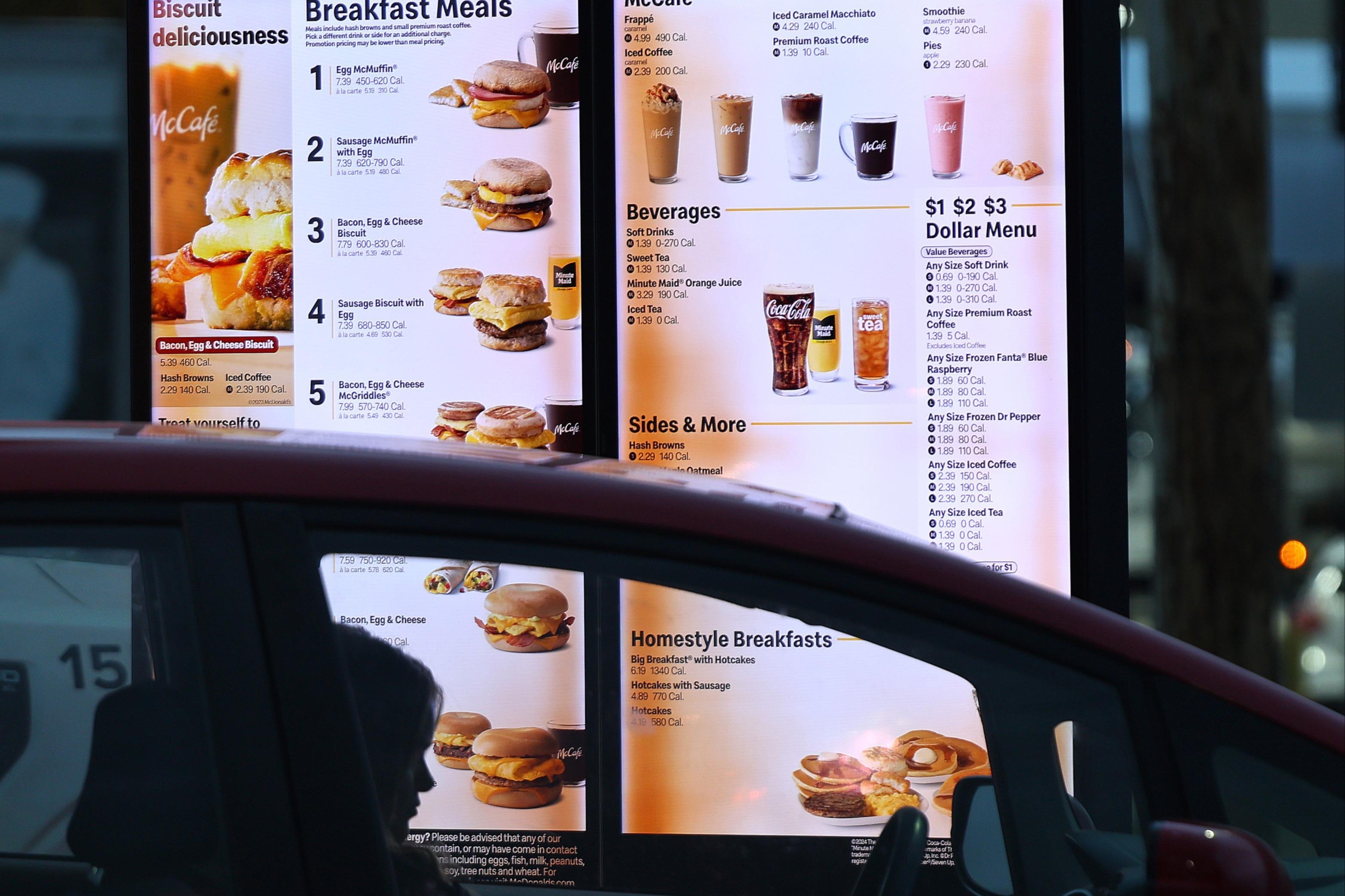
A new report from Reuters says the burger chain is pushing its franchisees to use AI-powered algorithms to set pricing at their locations. The technology analyzes data across 14,000 locations to estimate “customer willingness to pay in your area.”
For example, the report compares burger prices in Fresno, California. In one location, the McDonald’s mobile app lists a Big Mac at $5.69, while at another location only two miles away, that same burger is $6.89.
That’s pretty outrageous and adds up over time.
Now, you have to shop for fast food like you would for a car, comparing prices at different dealerships before you pull the trigger on a purchase. (McDonald’s notes that franchisees have the final say on pricing).
It’s obvious that inflation isn’t the lone culprit for the ballooning cost of living. During Covid, we were all sitting on our couches shopping online, giving brands tons of personal information that was perfectly optimized by all the incoming AI technology.
Now shoppers are being subject to surveillance pricing, which might not necessarily be part of the everyday vernacular just yet. But it’s widespread across the consumer experience as companies increasingly study the buying habits of people online and then set the rates based on their personal data.
“Surveillance pricing is the intersection of two things Americans hate: being spied on and being overcharged,” Lindsay Owens, author of “Gouged: The End of a Fair Price — and What That Means for Your Wallet,” said of the practice.
Shopping from a pricey Apple computer? The brand assumes that you are looser with your wallet. Browsing from a tony location? Surely, you can shell out more scratch for this shirt. Or, if you’re revisiting a site over and over, a company can surmise that you’re eager and charge you accordingly.
And, maybe like in the case of McDonald’s, it’s not always a huge increase. Perhaps it’s just an extra few cents tacked onto your order, here and there.
We keep paying it without objection. And suddenly the extras mount, and those once affordable items are breaking the bank.
It’s gross and unfair, and it makes one pine for the good old days when the price of goods was presented to the shopper in the form of a sticker slapped on by a price tag-gun-toting stock boy.
Even those sticky price tags will belong in the Smithsonian soon.
Supermarkets are moving toward electronic shelves, which allow stores to digitally update prices in real time. They could also start utilizing dynamic pricing, which changes depending on the time or day, weather or other factors, as airline tickets already do.
Many big grocery chains, including Kroger and Amazon, have claimed they had no plans to pivot to dynamic pricing, but count me skeptical.
Companies only need to look at the irresponsible spending habits of many Americans. People have absolutely no qualms paying $50 for a crappy Chipotle burrito because someone else picked it up, drove it to their home and left the soggy, lukewarm mess on their doorstep.
We want instant gratification and convenience. And we don’t want to lift a finger for it. All we have to do is push a button. And voila, it’s in our hands at blindingly quick speeds.
But, in the process, we’ve unwittingly told companies how terrible we are with our own money, and given them all the information they need to take advantage.
There’s no easy solution, though I doubt enough people even realize that we’re being hit over the head with these inflated prices thanks to such practices.