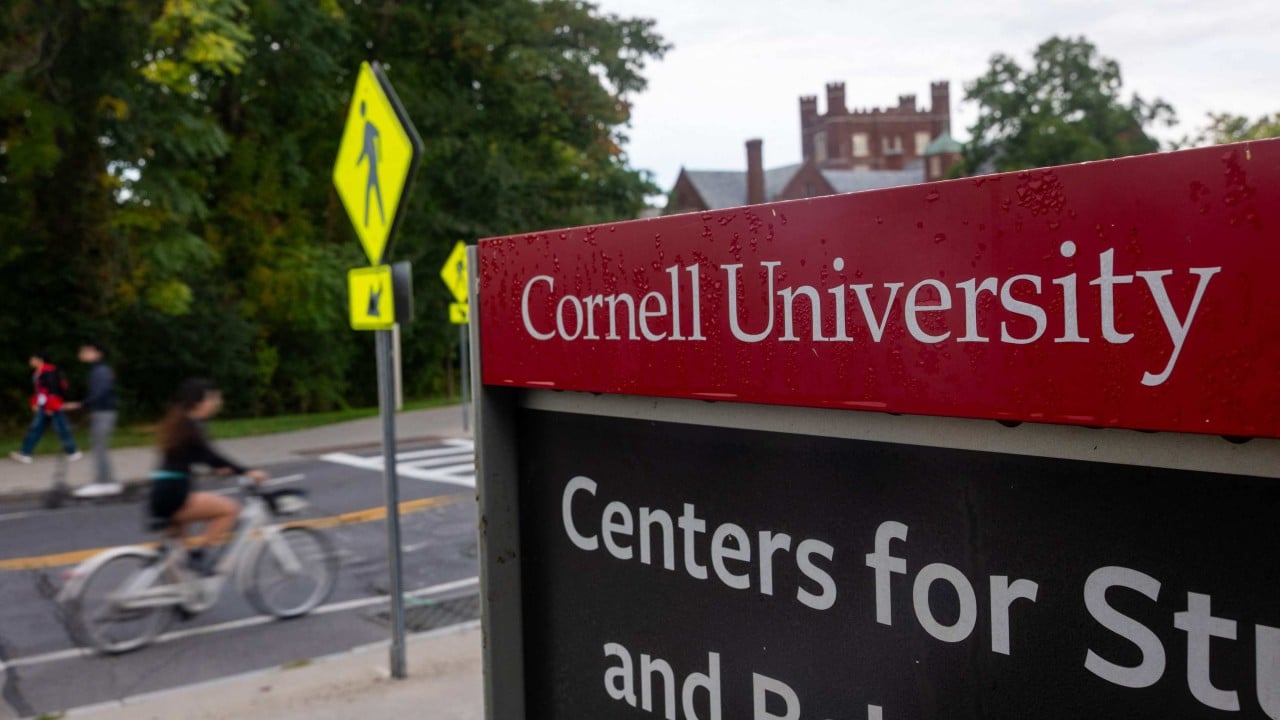
Make New York Post a Preferred Source The vast majority of Cornell University’s sexual misconduct claims don’t wind up getting investigated, while even fewer — a mere 13% — result in an accused student or staffer getting expelled or dismissed, according to a new report.
The analysis by USA Today was published Thursday, just weeks after a shocking gang rape allegation rocked the upstate Ivy League school.
More than 1,200 allegations of sexual assault, domestic violence or dating were reported to Cornell’s Title IX office between 2018 and 2024 — with just 162 ending up investigated during that time, according to the outlet.
Of those investigations, 53 ended with the accused party being cleared, 51 resulted in the person being “found responsible” and 26 of the cases wound up with an “informal resolution” or the complaint being withdrawn, the data analysis showed.
But out of those who were found responsible, only seven actually got expelled or fired, while 14 were suspended and 39 remedied their standing through various sanctions, the report found.
The Ithaca university is now under national scrutiny following the shocking lawsuit filed September 14 by a former student who claims seven fraternity brothers plied her with drugs and alcohol before gang raping her at the school’s Chi Phi house in 2024.
The lawsuit described a night of boozing and hard drugs, with a revolving door of fraternity brothers taking turns having sex with the then-sorority girl, identified only as Jane Doe, as she grew increasingly incapacitated by the substances they provided.
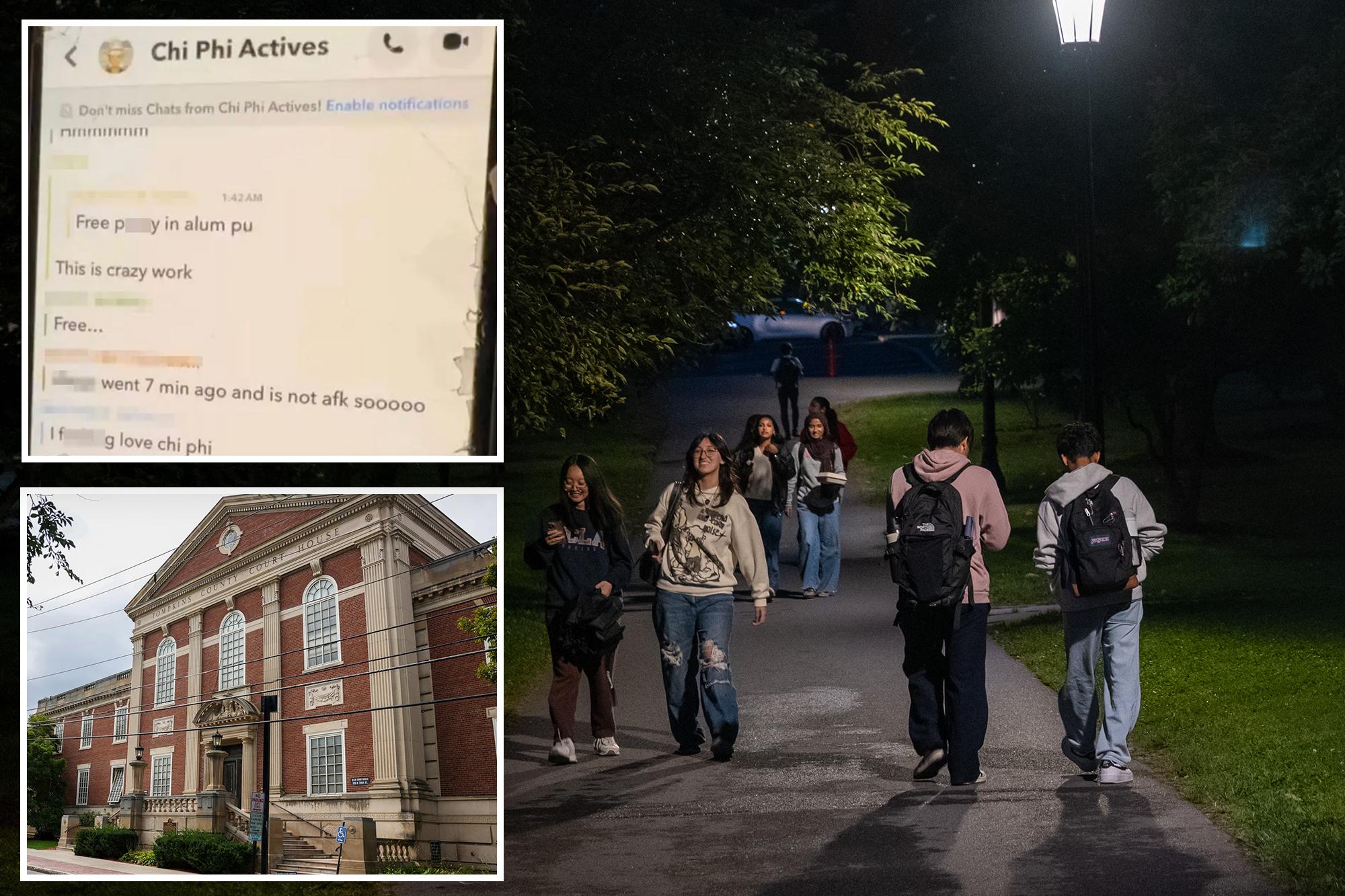
Damning screenshots included in the suit from a Snapchat group used by Chi Phi members showed one bragging about “free p–sy” in a bedroom, with brothers responding with jeering messages like “you can literally walk in and whip it out.”
Doe said she reported the alleged Oct. 19, 2024 rape to campus police about three weeks later that November. No criminal charges were brought at the time.
Tompkins County District Attorney Matthew Van Houten has since said his office reopened the investigation.
The lawsuit claims most of the seven alleged attackers were allowed to “mitigate their conduct by submitting essays.”
Several were later confirmed to have been suspended, while two were expelled, though it remains unclear if they were included in the 1,216 incidents reported to Cornell’s Title IX office between 2018-2024.
A 2025 Cornell survey separately found that 1 in 6 students said they had experienced unwanted sexual conduct at the school.
But Cornell’s seemingly measly disciplinary numbers aren’t out of the norm — nearly 10,000 sexual incidents were reported to the Title IX offices at 26 New York schools during the same 2018 to 2024 time period, with just 1,295 resulting in investigations, USA Today found.
Of those cases, 523 found the accused responsible and 230 led to suspensions. Just 81 — under 1% — led to expulsions, according to the report.
“Those numbers strike me that there’s been an erosion of trust,” Nicole Bedera, a sexual violence researcher specializing in campus cases, told USA Today.
“If perpetrators know that nothing is going to happen to them, then they feel less inhibited in acting violently,” she said. “If there’s no check on that violence, it just grows and grows.”
Cornell disputed Doe’s account of its disciplinary action in her suit, insisting none of the students she accused were allowed to write an essay “as a sole consequence of their involvement,” adding that she was “irresponsible” for suggesting so.
A Cornell spokesperson also said allegations like those reported in the Title IX figures are sometimes dropped because the suspect wasn’t identified, or after an accuser decided not to move forward with an investigation.
“Cornell takes each report seriously and, to the greatest extent possible, honors a complainant’s decision not to pursue resolution,” a spokesperson told USA Today.