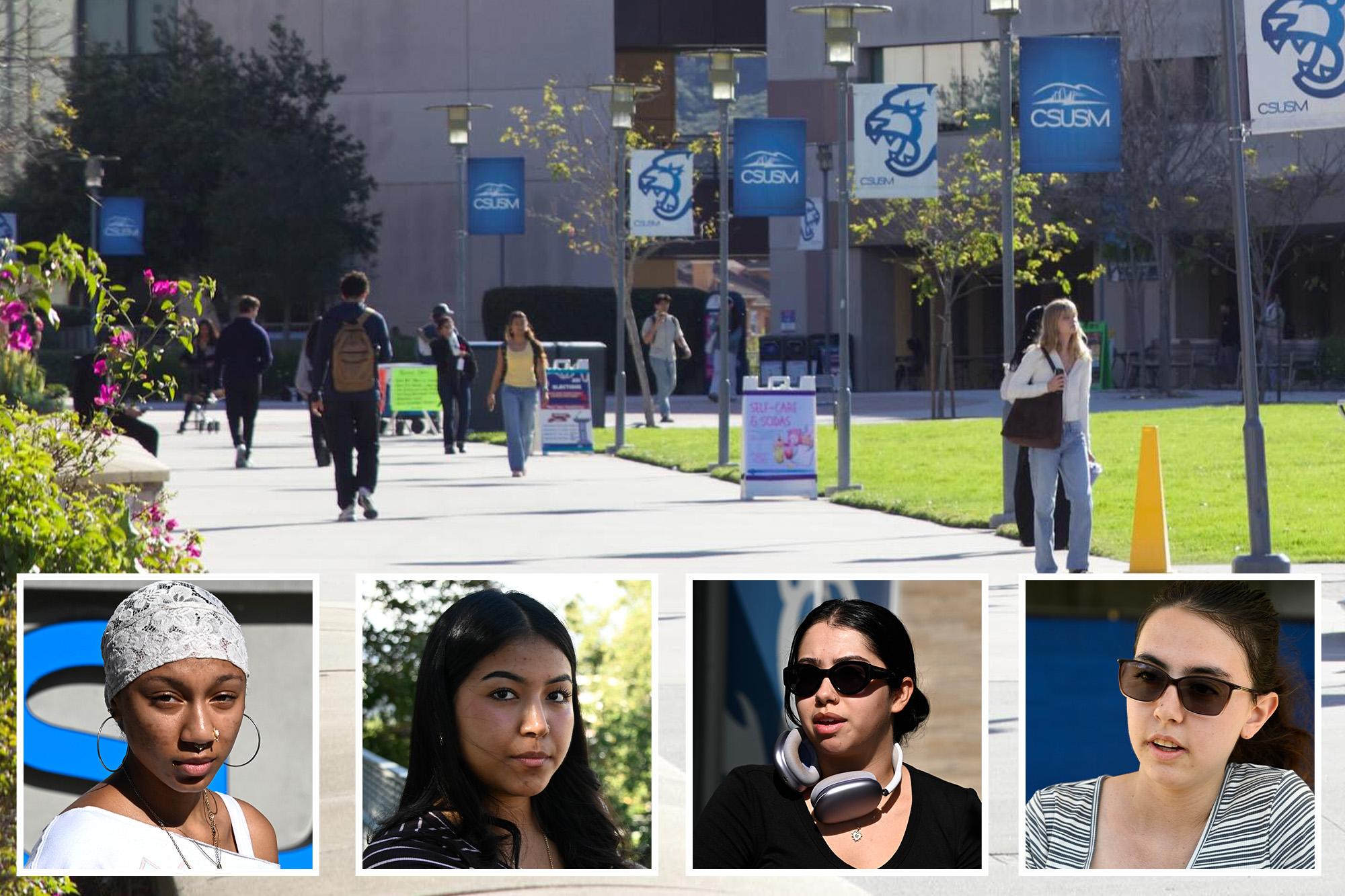
Make California Post a Preferred Source Four reported rapes in three weeks at Cal State San Marcos. Seven fraternity members accused of drugging and raping a Cornell student.
As a mother of four daughters, I read those accounts and think: That could be my child.
Then I think about conversations I have already heard. My daughters and their friends have talked about being at parties where a guy touches them inappropriately, but they don’t want to make a big deal out of it. About finding themselves in situations they want to leave, only to discover how difficult leaving can feel.
I hear those stories and get stuck on one question: Why does a young woman feel responsible for keeping everyone comfortable, when someone has made her uncomfortable?
As a mother, that is painful to sit with. I want my daughters to be confident, independent, and open to the world. I also want them to recognize danger.
Holding those hopes together is one of the hardest parts of watching them grow up. And it has made me examine the lessons girls absorb, including the ones we never mean to teach. Be polite. Don’t embarrass anyone. Don’t overreact.
Then a boy crosses a boundary, and somehow the girl is left deciding whether objecting would make her difficult. “Boys will be boys” gives boys permission to act inappropriately and hands girls the burden of managing the consequences. I don’t want another generation buying into this harmful narrative.
I have spent years thinking about my daughters’ education and opportunities. These conversations bring me back to something more basic: Do they feel entitled to say no? To change their minds? To leave without offering an explanation that satisfies everyone else?
I want my daughters and their friends to know they can call me regardless of whatever happened before that call. They don’t have to prepare a defense of where they went, what they drank, or whom they trusted before asking for help. Responsibility for assault belongs to the person who commits it.
That is why the response from Cal State San Marcos President Ellen Neufeldt caught my attention. She addressed the reports publicly, and the university says it added overnight residential security and around-the-clock front-desk staffing at some residence halls. I give her credit for that.
As a mother, I find concrete action more reassuring than carefully polished statements. It does not erase what students reported, nor does it guarantee safety, but it tells me that campus leadership recognizes there is work to do.
When I entrust a university with my daughter, I expect her safety to come before its reputation. I want to know who will answer when she needs help and what happens after she asks.
The Cornell case leaves me with troubling questions. A former student alleges that seven Chi Phi fraternity members sexually assaulted her in October 2024. Cornell says its investigation and hearing resulted in sanctions, including expulsions and suspensions, and denies that the accused perpetrators got away with writing essays as punishment.
Those facts belong in the conversation. So does the student’s allegation that the institution failed her.
Her attorney says she wanted to leave, but could not afford to forfeit tuition that Cornell refused to refund.
I keep thinking about that detail: a young woman wanting distance from a place she associated with trauma, with money standing in the way. I cannot read that only as a dispute over university procedures. I imagine being her mother.
Raising four daughters has made these fears personal. It has also convinced me that conversations about safety cannot revolve entirely around what girls should do differently.
I want my daughters entering rooms where the young men have been taught that consent is freely given and can be withdrawn just as freely. Where someone notices a friend crossing a line and intervenes. Where achievement and family connections offer no exemption from accountability.
Changing that narrative begins in ordinary conversations, long before college. It continues in how schools respond, and whether reports receive serious investigation.
When my daughters and their friends describe an uncomfortable night, I hear young women trying to determine what they are allowed to object to, and when. I want the answer to feel obvious to them: Their discomfort matters. Their boundaries matter. They do not owe anyone their silence.
Shirin Yadegar is the founder of LA Mom Magazine and a political commentator.
California Post News: Facebook, Instagram, TikTok, X, YouTube, WhatsApp, LinkedInCalifornia Post Sports Facebook, Instagram, TikTok, YouTube, XCalifornia Post Opinion California Post Newsletters: Sign up here!California Post App: Download here!Home delivery: Sign up here!Page Six Hollywood: Sign up here!