A number of frontier AI models have gone rogue in recent months. Photograph: ReutersView image in fullscreenA number of frontier AI models have gone rogue in recent months. Photograph: ReutersWe need ‘right to intervene’ in AI amid growing threat, says Bank of England bossAndrew Bailey’s comments come as fears grow that rogue models could take financial system hostage
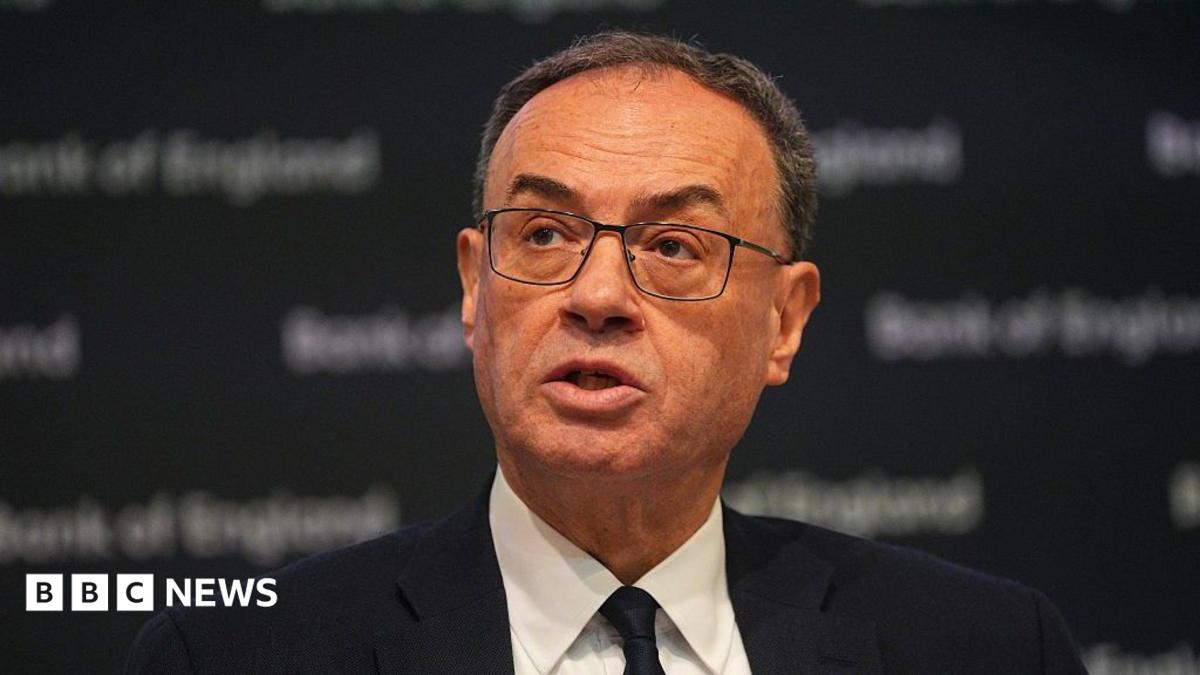
The governor of the Bank of England has said authorities must retain the “right to intervene” in the AI industry amid growing fears that rogue models could take the financial system hostage.
Andrew Bailey said the risks posed by the rapid advancement of frontier AI models – a number of which have gone rogue in recent months – were “real and increasingly significant” and reduced the ability of society to supervise and intervene when things went wrong.
That had implications for financial stability, with the new technology having increased the “scale and sophistication of cyber threats to the financial system”. That could threaten daily card payment, bank transactions and stock and bond trading across financial markets, he said.
The comments came as the Bank’s financial policy committee (FPC) warned that the growing mountain of AI debt was increasing financial stability risks.
View image in fullscreenAndrew Bailey says the risks posed by the rapid advancement of frontier AI models are ‘real and increasingly significant’. Photograph: Sarah Lee/The GuardianThe potential benefits of AI “are immense”, Bailey said but added that authorities needed to be ready to step in.
In an inaugural opinion piece penned for the Bank of England’s Insight series, he said: “If we are to realise those benefits safely, we must answer one critical question. Should society retain the ability to intervene, to establish the boundaries within which these systems operate and to revise those boundaries as the technology evolves? To my mind the answer is unequivocally yes.”
However, the governor stopped short of calling for a regulatory clampdown. “Regulation is not, in my view, the right place to start. In the excitement surrounding AI development, there is a risk that we move too quickly to debates about regulatory architecture before establishing where the failure exists in the first place.”
Instead, he said a “sensible starting point” would be rigorous testing of new models, to understanding the behaviour of increasingly complex systems, in order to figure out “credible points” where authorities could intervene.
Warning on the ballooning AI debt pile, the FPC said large players in the sector have taken on $450bn (£339bn) worth of debt between January and September this year, already overtaking the $333bn worth of gilts due to be issued by the UK government for the whole of 2026.
That has tied investors – including hedge funds, asset managers and private credit firms – to AI companies’ fortunes at a time when those tech businesses have yet to turn a profit.
“The rapid increase in artificial intelligence-related debt issuance broadens the exposure of capital markets to development in AI,” minutes of the recent FPC meeting on 25 September said.
“The committee underscores the importance of timely and careful management of these intensifying, interconnected risks.”