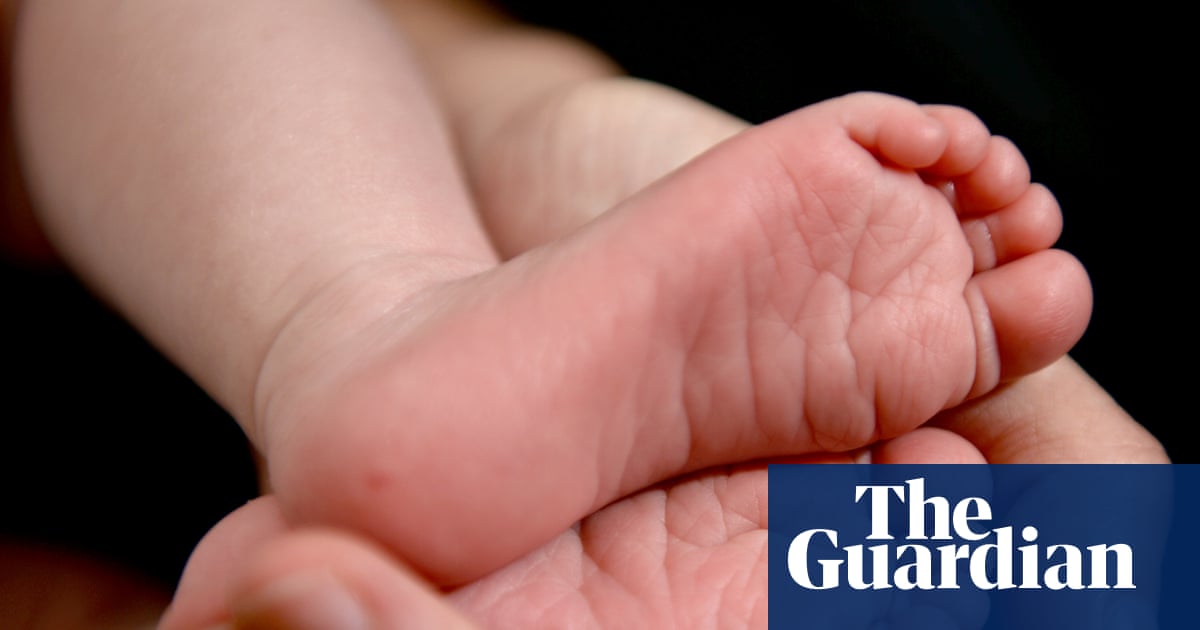
The new policy of family hubs will commit £500m to opening 1,000 centres from April 2027 Photograph: Andrew Matthews/PAView image in fullscreenThe new policy of family hubs will commit £500m to opening 1,000 centres from April 2027 Photograph: Andrew Matthews/PAHealthy Babies programme to be expanded across EnglandScheme will follow principles of Sure Start, helping families with infant feeding, mental health and bonding with babies
The government is rolling out a Healthy Babies programme to every local authority in England, as part of its efforts to expand a Sure Start-type system of help for deprived children and families.
It aims to support parents with infant feeding, their mental health and building strong bonds with their babies, alongside health visits, midwifery care and wider services.
The scheme seeks to follow the principles of Sure Start, a network of centres offering integrated services for the under-fives and their families, launched in 1998 under a Labour government. Sure Start was seen as one of that government’s major successes, with one study saying it generated longer-term savings worth twice the system’s cost.
But much of that scheme was dismantled amid massive spending cuts by the Conservatives. The new policy of family hubs will commit £500m to opening 1,000 centres from April 2027.
Announcing the expansion of the Healthy Babies programme at the Labour conference in Liverpool, Yvette Cooper, the Health and Social Care secretary, is expected to say that the programme will reach up to 1,000 family hubs over the next two years.
Since the election the Labour government has opened new family hubs across England, but more than half of local authorities have hubs without Healthy Babies services.
“Something is missing in half of communities … the Healthy Babies services – mental health support for mums and dad, the feeding and bonding support for your new baby. That changes now,” Cooper will say.
“We will bring back the Sure Start health services into every family centre. One of the Labour party’s greatest achievements, restored to families throughout the land.”
Sure Start and its successor programmes are seen as integral to the narrative of the modern Labour party, with housing secretary Angela Rayner saying her life as a teenage mother and that of her son were turned around by her local centre, which offered her a parenting course.
In an article for the Guardian in July last year, Bridget Phillipson, then the education secretary, recounted working closely with the first Sure Start centre in Washington, Tyne and Wear, where, before entering politics, she ran a refuge for women fleeing domestic violence.
“It was a lifeline for those women who, despite everything, were determined to give their children the very best start in life,” she wrote. “The gap in achievement we see between our poorest and most affluent children at 16 is baked in before they even start school, creating a vicious cycle of lost life chances that’s all too visible in the shameful number of young people not earning or learning.”
In a follow-up announcement to the plan for family hub centres, Phillipson’s department had announced plans to pay qualified early years teachers to work in the most deprived areas, where their work could have the greatest impact.