Make New York Post a Preferred Source Several villas in a Bali tourist hotspot have been burned to the ground after locals allegedly burned trash outside the popular resort.
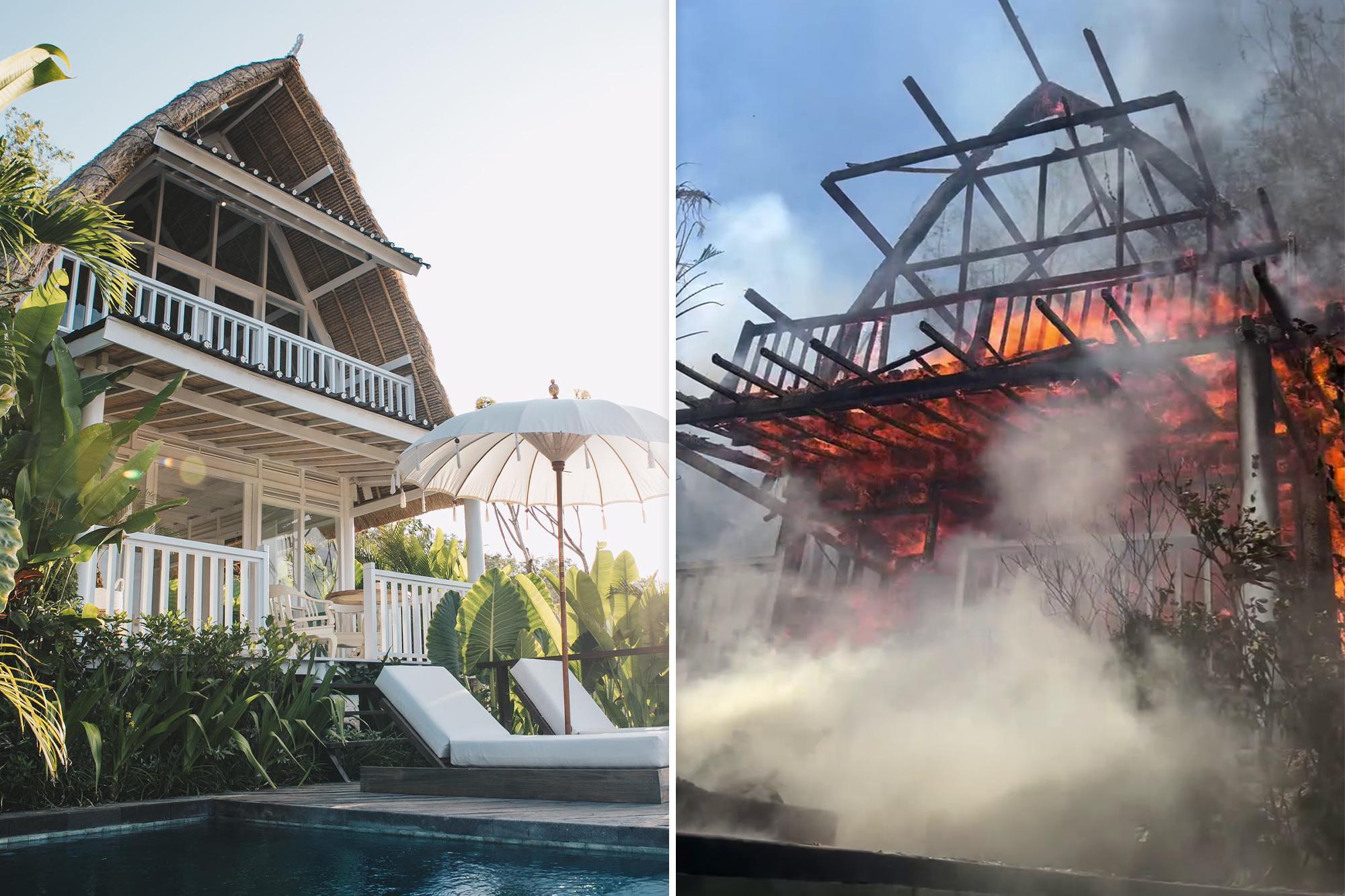
White Tortoise Eco Villas, a secluded boutique eco resort, tucked away in the hills of Uluwatu, had three out of its seven villas destroyed “within 10 minutes” following the inferno over the weekend.
According to the resort, the incident happened during a very windy day, causing the fire to spread rapidly.
“Yesterday was the worst day of our lives,” a post from the resort’s official Instagram read.
“Three of our beloved villas burned down due to locals burning trash outside the resort while it hasn’t been raining for months and during a very windy day.
“Within 10 minutes they were gone. Luckily nobody got injured.”
View this post on Instagram The resort said the inferno damaged its electrical system and water supply, forcing them to temporarily close the other villas until they resolve the issue.
Hundreds of people have taken to social media to share their frustration after footage of the burning villas was shared across multiple local accounts.
“So sorry for the villa owner and staff,” one person wrote.
“Tragic news for the owners!” another said, while addressing the wider issue behind trash burning.
“Burning of plastic is common in Indonesia and it’s also illegal but there’s no authority to stop anyone!” they continued.
“The other issue is the building standards, flammable materials like straw roofing goes up like a bomb! And there’s no fire fighting hydrants or extinguishers almost everywhere! Please learn by these mistakes.”
The ritual of burning trash stems back generations as it’s viewed as a clean, normal and effective way to manage the household.
However, as noted by Indonesia Investments, the key issue today is that while the habit remains the same, the materials that are burned have changed completely.
“When banana leaves were replaced by single-use plastic sachets, styrofoam and synthetic wrappers in the late 20th century, this burning habit now produces acrid, toxic smoke loaded with dioxins, furans and fine particulate matter,” the site reads.
It explained a broad lack of environmental and health awareness among the Indonesian people makes them prioritise immediate convenience over potential accidents, environmental safety and long-term health, while rapid urbanisation across the country has overwhelmed local waste collection capacities.
The burning down of the villas has also opened the conversation of a lack of waste management facilities.
“As I heard the real problem is that people do not know what to do with trash (that’s why they burn it) and this problem should be solved on government level,” one person wrote on Instgram.
According to SBS Indonesia, South Bali’s main landfill, Suwung, stopped accepting organic waste in April 2026 resulting in locals burning rubbish in their backyards and dumping waste in rivers.
According to Sungai Watch co-founder Gary Bencheghib, the landfill serves Denpasar, Tabanan, Gianyar, and Badung, processing about 1,300 tonnes of waste daily.
However he added Bali is not expected to open a waste-to-energy plant until 2028.
“Ever since landfill restrictions tightened, open fires have surged across Bali,” he said on the not-for-profit organisation’s Instagram page.
“Solutions exist, but they often operate in silos, lacking integration and failing to reach people’s doorsteps.
Start your day with all you need to know Morning Report delivers the latest news, videos, photos and more.
“When people have nowhere to send their waste, burning trash often becomes the desperate default. We can’t fix this by working apart anymore. It’s going to take all of us, government, businesses, NGOs, and communities, working together to build an integrated and reliable solution that actually works on the ground.”
Bali welcomed nearly 6.95 million foreign tourists in 2025, and Australians accounted for the largest share, at roughly 23 per cent, according to Indonesia’s statistics agency.
Mr Bencheghib said many people blame tourists for the waste, but the real problem lies in the infrastructure.
“Tourism brings more spending power to the island, which increases packaging and consumption across the board, but without a functioning waste management system, the rubbish has nowhere to go,” he told SBS Indonesia.
Meanwhile, as for White Tortoise Eco Villas, it said it will rebuild and will “work hard to bring this magical place back to life”.
The resort prides itself on being ‘eco’ – meaning its villas are either made from reclaimed wood, local and legally cut hardwoods or other natural and local building materials such as bamboo and alang alang grass.
It also collects and re-uses rainwater and sues organically grown products for food.