Make New York Post a Preferred Source Graduation rates have plummeted by nearly 10% at CUNY schools in the past five years, troubling new data shows.
The graduation rates for associate degrees awarded at the City University of New York’s community colleges, which are designed to be completed in two years by full-time students, dropped from 38.9% in 2022 to 35.5% in 2026, according to CUNY records provided in the Mayor’s Management Report.
The grad rate for students at CUNY’s four-year undergradate colleges meanwhile steadily fell from 62% in 2022 to 55.6% in the past academic year.
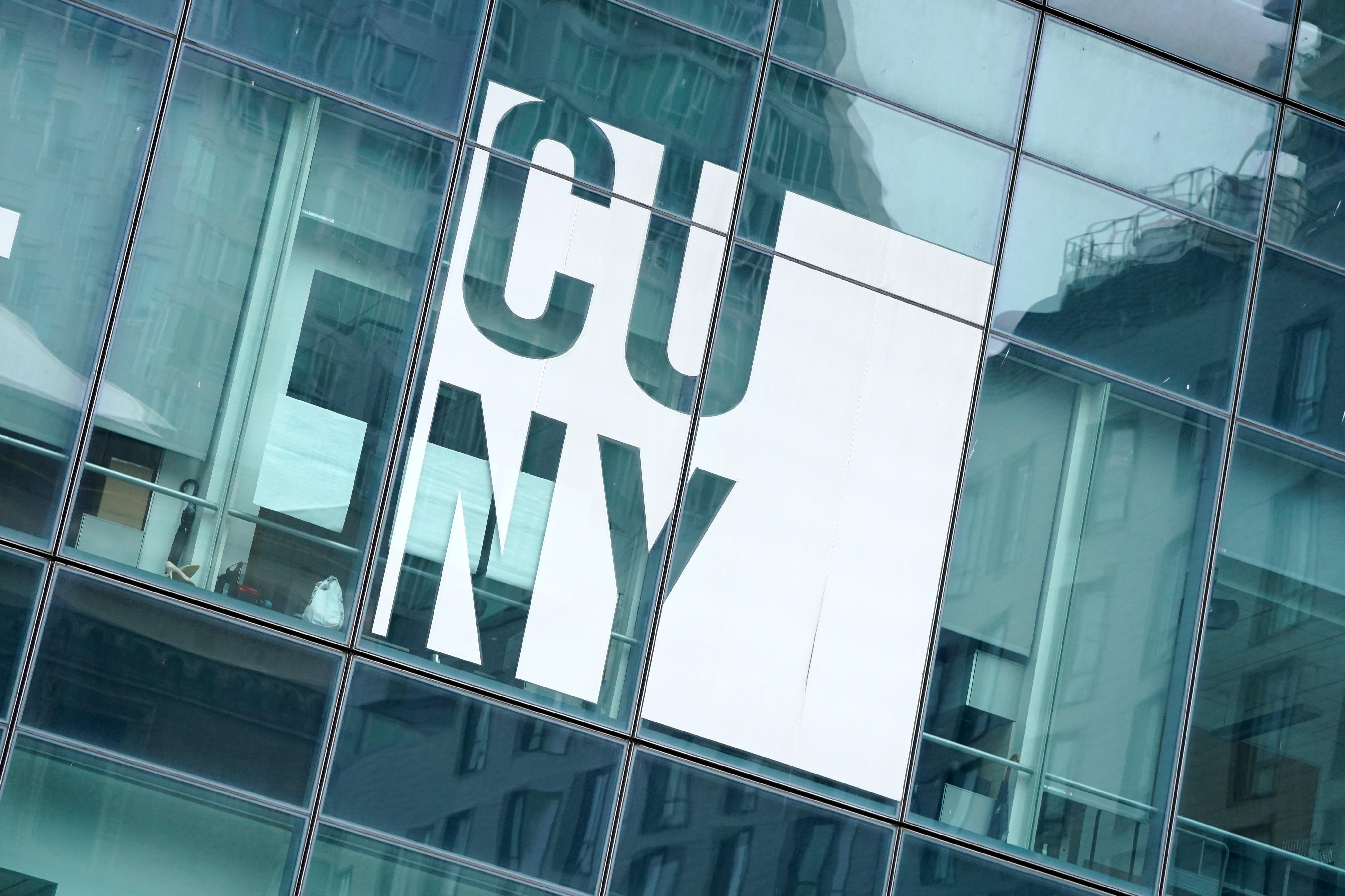
The City University of New York’s graduation rate has dropped nearly 10% over the past five years. Christopher Sadowski for NY Post Graduation rates for CUNY students in the system’s prestigious special three-year undergraduate Accelerated Study in Associate Programs — known as ASAP — declined even more, from 44% in 2022 to 34.5% in 2026 — or nearly 22%.
CUNY’s ASAP is a nationally recognized program that provides students with additional personal, academic and financial support to try to boost its graduation rates within three years.
“It’s a two-pronged problem,” said former CUNY trustee Jeffrey Wiesenfeld to The Post.
“The New York City school system standards dropped dramatically. Most of the CUNY students come from the city public schools,” Wiesenfeld said.
He also claimed that CUNY has relaxed its own standards after they were raised during the era of Mayors Rudy Giuliani and Mike Bloomberg and Gov. George Pataki.
CUNY — which consists of 26 institutions:11 four-year undergraduate colleges, seven community colleges and eight graduate, honors, and professional schools offering more than 70 doctoral programs — claimed in its report that the lingering effects of the pandemic are at least partly to blame.
“[The] graduation-rate declines are still affected by the COVID-19 pandemic disruption and also reflect changes in the freshman class composition,” the sprawling higher-education system said.
A spokesman added that the “rate remains higher than a decade ago despite the profound disruption that the freshmen who began in 2019 faced during the COVID-19 pandemic.
“We have seen an increase in retention rates in subsequent classes and continue to expand student supports to help students stay on track to graduate in six-years or less,” the rep said.
CUNY said that since the pandemic, it has increased academic advising for freshmen, made it easier to transfer between two- and four-year colleges without losing credits and been using more data to offer students earlier interventions when they are struggling.
The university also said the lower graduation rates reflect ASAP’s rapid expansion from serving roughly 12% of all associate-degree-seeking full-time freshmen to 40% over a three-year period.
ASAP continues to graduate students at double the rate of non-ASAP students, CUNY noted.
But the percentage of students taught by full-time professors also has dropped at its colleges in the past year, going from 40.9% in 2025 to 39.7% in 2026 at four-year institutions and from 60.5% to 58.9% at community colleges.
That means many students are taught by part-time or adjunct professors.
New York City Mayor Zohran Mamdani attends the Borough of Manhattan Community College-CUNY Commencement Ceremony at the Barclays Center in Brooklyn, NY, on Thursday, June 4, 2026. Brigitte Stelzer On the positive side, independent assessors rank CUNY colleges highly for social mobility, affordability and the graduation of students from non-wealthy families.
The Washington Monthly ranked six CUNY colleges in its top 40 in the Northeast — including Hunter College (No. 6), City College (19), Baruch College (20), Lehman College (26), Brooklyn College (32) and John Jay College (34).
Total enrollment recently increased 4%, from 237,671 in 2025 to 246,503 in 2026.
At its community colleges, total enrollment increased 7%, from 76,432 to 81,883.
First-time freshman enrollment at both community and four-year colleges increased. Community-college freshman enrollment increased 10%, from 13,167 to 14,433, and four-year college freshman enrollment increased 1%, from 22,323 to 22,543.
The one-year retention rates of freshmen pursuing associate and baccalaureate degrees both increased from 61.5% to 68.7% and from 83.2% to 85.4%, respectively.