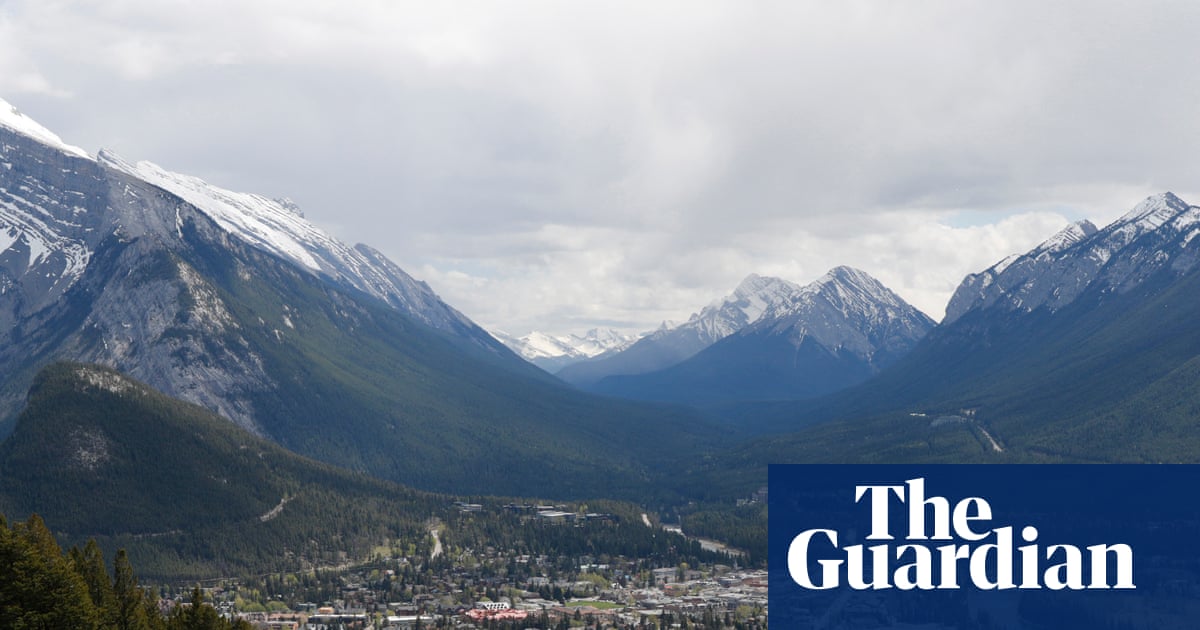
Alberta’s formidable geography has stymied the infiltration of the vermin into the province – until now. Photograph: Dave Chidley/AFP/Getty ImagesView image in fullscreenAlberta’s formidable geography has stymied the infiltration of the vermin into the province – until now. Photograph: Dave Chidley/AFP/Getty ImagesAlberta’s ‘rat patrol’ ramps up operations as vermin makes inroads in province‘Rat-free’ Canadian province recently took a verminous hit when a dead rodent turned up in town of Bowden
For more than seven decades, residents of Alberta have shared something in common with Antarctica and the high Arctic: all locations are officially free of rats.
But on Thursday the Canadian province’s reputation as a firewall against rodent infestation took a hit when the town of Bowden announced the discovery of a dead rat and called on the province’s “rat patrol” to investigate.
“If you’ve noticed rat droppings or any signs of rats, please contact Rat Patrol Alberta so they can follow up,” the town said in a statement. “Please stay alert and report any sightings.”
Officials in Bowden did not say where in the town the rat was found.
Read moreBut as global temperatures increase, rat numbers have surged in major cities. Over the past decade, rats increased by 390% in Washington DC, 300% in San Francisco and 162% in New York, according to researchers, who analysed public sightings and infestation reports. Toronto, Canada’s largest city, is facing a “perfect rat storm”, with numbers up 186% in the last 10 years.
Unlike other regions in the world that have been overrun by the wily and adaptable urban mammals, Alberta has actively fought rats from entering at all.
“Albertans have enjoyed living without the menace of rats since 1950 when the Rat Control Program was established,” the province says in its rat guide.
It cites both the province’s unique geography, with mountain ranges and boreal forest surrounding most of Alberta, and the fact that the Norway rat – “one of the most destructive creatures known to man”, the province claims – cannot survive in vast natural areas and cannot overwinter in cultivated fields. The very lack of the humans and their structures that rats need to survive has given the province a chance to ward off infestation.
In the 1950s, suspecting rats might try to enter from the east by way of neighbouring Saskatchewan, Alberta officials created a “rat control zone” – a strip of land measuring 373 miles by 18 miles (600km by 30km) – to monitor incursions that ranges from Cold Lake in the north to the Montana border in the south.
In addition, from June 1952 to July 1953, 140,000lb of 73% arsenic trioxide powder was used to treat 8,000 buildings on 2,700 farms to slow the spread of rats.
The province also amended the Agricultural Pests Act of Alberta in 1950, obliging “every person and municipality” to destroy rats they found; made posters reminiscent of a national war effort; and hosted a radio show, Call of the Land, to educate residents.
Today, there are dedicated telephone lines and an email address to report rats.
But while the rat patrol receives hundreds of calls each year, it says the vast majority are not rats but muskrats, voles and field mice.
Still, it concedes there are exceptions. “Alberta’s rat-free status means there is no resident population of rats and they are not allowed to establish themselves. It does not mean we never get rats.”