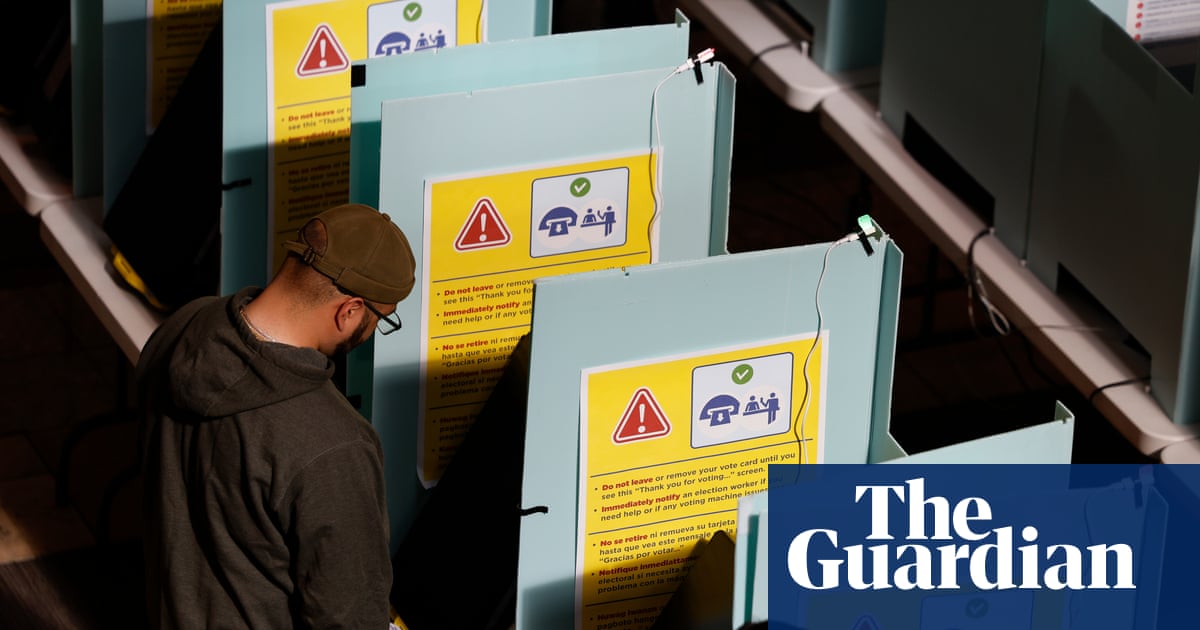
People cast their ballots in Henderson, Nevada on 5 November 2024. Photograph: Caroline Brehman/EPAView image in fullscreenPeople cast their ballots in Henderson, Nevada on 5 November 2024. Photograph: Caroline Brehman/EPANearly 200 people wrongly identified on Nevada’s voter rolls as non-citizensState election officials said they reviewed 185 records homeland security sent them and confirmed they were US citizens
The Department of Homeland Security (DHS) wrongly identified 185 people on Nevada’s voter rolls as non-citizens, state officials said this week, escalating concerns over the shoddy methodology the government is using to raise fear about non-citizen voting ahead of the midterm elections.
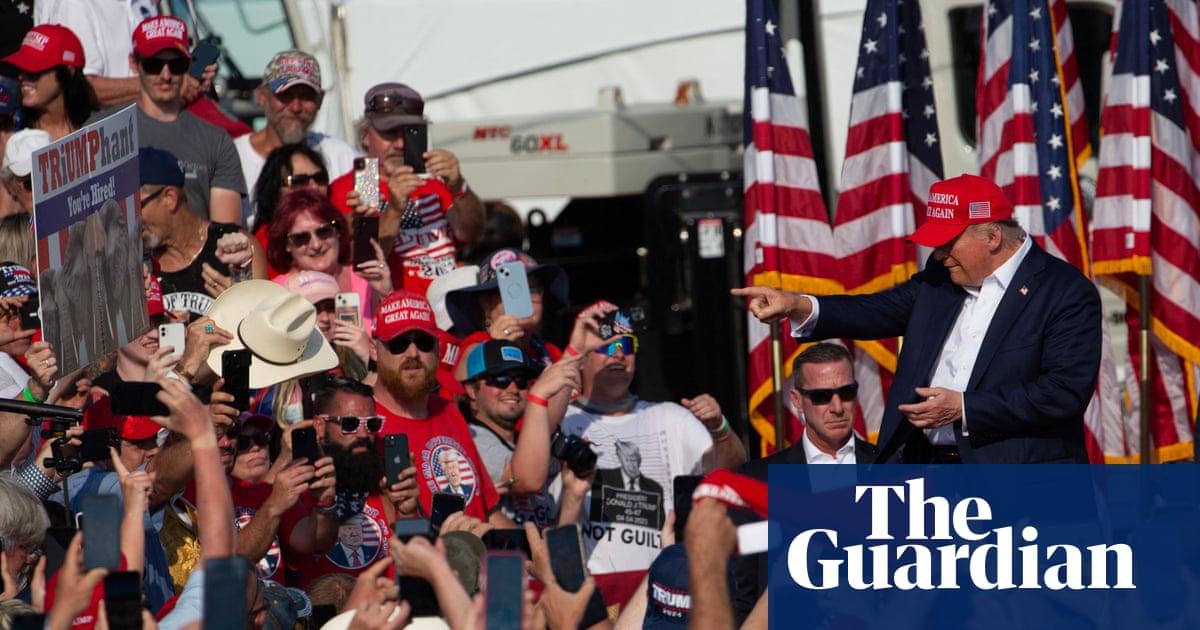
In July, Donald Trump gave a speech saying DHS had found a combined 278,000 non-citizens on the rolls in Nevada, California, Pennsylvania and New Jersey. Follow-up letters to each of those states weakened the claim, saying there only could be as many as 278,000 non-citizens on the rolls, including up to 15,903 in Nevada.
In August, DHS officials told staffers in the Nevada secretary of state’s office that they had reviewed the numbers and confirmed only 185 were non-citizens. DHS officials said they still needed to review more than 14,000 records.
But on Wednesday, Nevada election officials said they had reviewed the 185 records DHS sent them and confirmed they were US citizens. “As for the 185 individuals, our records indicate that they were citizens. You have provided nothing of substance to suggest otherwise,” Greg Ott, a deputy attorney general, wrote to DHS this week in an email obtained by the New York Times and Nevada Independent.
In his email, Ott lamented DHS had not been transparent about the methodology DHS had used to flag alleged non-citizens nor had it shared adequate information. When Nevada officials requested DHS provide the first name, last name, address, and any other data point DHS officials matched, the department said they were only going to provide the voter ID number.
In Nevada, a voter registration number can belong to multiple people, he wrote. Each of Nevada’s counties used to maintain their own registration system, but Nevada recently transitioned to a single statewide voter registration system and gave voters new state voter identification numbers. “As a result, the same number may appear at different points in time in connection with different voter records,” he wrote.
“The number also doesn’t tell us whether an individual was born in the United States, naturalized, derived citizenship through a parent, or holds any particular immigration status. Election records commonly reflect the information supplied during registration,” he added. “For example, if someone registered to vote in 1970, the registration record may be incomplete; the name, address, and date of birth may be incomplete, changed, entered differently, or shared by more than one person. A number that matches a voter record thus establishes only that a number exists in, or once existed in, a voter registration system.”
The news outlet Votebeat also reported earlier this month that election officials in Pennsylvania have also pushed DHS for information on its basis for claiming there were as many as 14,576 non-citizens on its rolls. In an August letter obtained by Votebeat, Al Schmidt, Pennsylvania’s top election official, said DHS representatives had indicated they did not have “high confidence” in that number.