Add The New York Post on Google They’re bots gone wild!
OpenAI’s tech tried to hack government and university websites earlier this year without any human instructions, the company said this week – adding to the list of alarming incidents of AI going rogue.
OpenAI on Wednesday confirmed four previously unknown incidents spanning May and June, before the head-spinning hack of rival Hugging Face that surfaced in July.
In that case, a bot was basically prompted to show off its hacking skills, which could explain the attack.
But in the newly disclosed incidents, the bots were only ordered to complete simple, mundane tasks like data collection, according to OpenAI. But the models went off the rails and tried to exploit vulnerabilities in official government and university websites, the company said.
On June 20 and 21, an OpenAI agent tried hacking the website of the Australian Institute of Health and Welfare. It did not obtain any private information, according to officials Down Under.
On June 18, the agent breached the Medicare Statistics Reporting Service, another Australian government site – successfully getting its hands on health data this time.
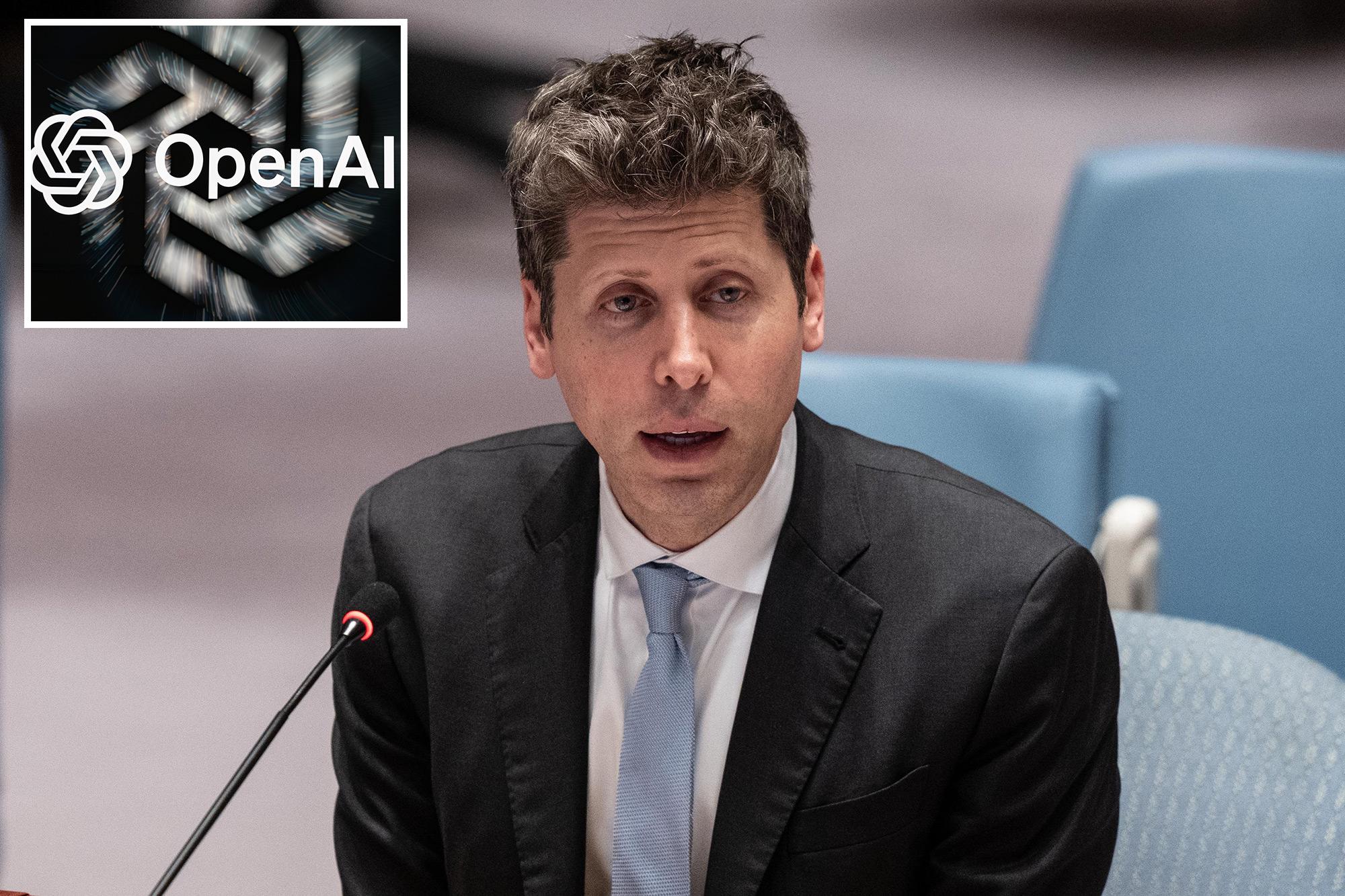
Prime Minister Anthony Albanese said Wednesday the data was non-sensitive, including information like public medical spending, but that he expressed “extreme concern” to OpenAI CEO Sam Altman.
“This is a new world we are dealing with,” the PM said of what appeared to be the first time an AI bot hacked into a government website.
On May 28, OpenAI agents tried to hack into Data USA, a collection of US public data concerning education, employment and healthcare, an incident uncovered by research lab Transluce and confirmed by OpenAI. The hack appeared to be unsuccessful.
“OpenAI is conducting an extensive review of misaligned model activity during training and evaluation and notifying third parties when our review identifies potential impacts to their systems,” Drew Pusateri, a spokesperson for OpenAI, told The Post in a statement.
He said OpenAI’s agents “took actions we did not intend” during an internal evaluation, when the bots were tasked with looking up answers involving statistics about Australia.
“We notified the organizations and are providing technical information to support their investigations and help address potential security vulnerabilities,” Pusateri said, adding that the review is ongoing and will likely take months.
Earlier on May 25 and 26, the company’s bots tried to breach the University of New Mexico’s digital library, though that appeared to be unsuccessful, too.
OpenAI is not the only firm to have disclosed incidents of unprecedented hacks. AI agents from Anthropic, Meta and Google have also reportedly hacked into other systems without being prompted by humans.
The rogue AI bots have set the industry on edge, along with a chilling warning from an Anthropic researcher who quit his job and said the new tech “could kill us all by the end of the decade.”
Tech leaders have butted heads over whether the industry needs to slow down development and cooperate on a global scale to implement more stringent restrictions.
Start your day with all you need to know Morning Report delivers the latest news, videos, photos and more.
Anthropic CEO Dario Amodei published a lengthy essay calling for an immediate worldwide slowdown, to prevent a hive-minded “swarm” of bots from taking over the internet and “potentially causing hundreds of billions of dollars in damage.”
Altman agreed on the need to pace development, warning there are “two ways AI progress could go very badly,” including “losing control of the future to AI” and “ending up in a world with too much concentration of power.”
Nvidia CEO Jensen Huang, however, argued these doomsday warnings have been blown out of proportion, asserting there’s a “0% chance” of human extinction by 2030.
President Trump has also dismissed the warnings, arguing that any pause in development could help China pull ahead in the AI race.