Against the rising resilience of Chinese markets, the sharp reappraisal of US debt and dollar risks makes the answer far from clear-cut
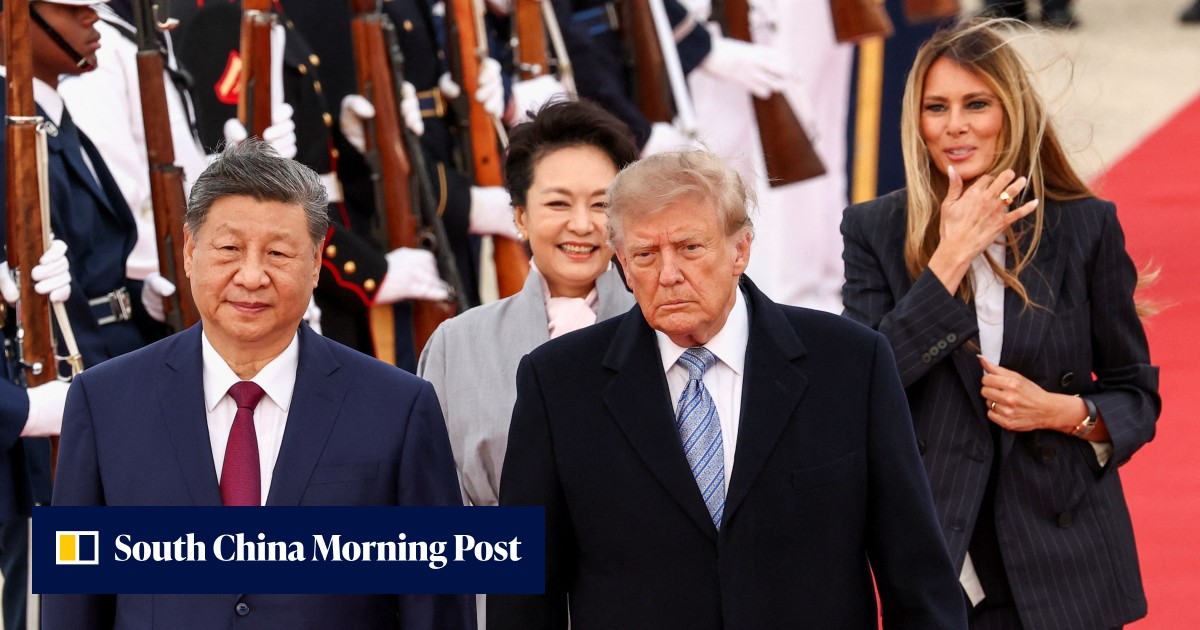
3-MIN READ3-MIN ListenNicholas SpiroNicholas Spiro is a partner at Lauressa Advisory, a specialist London-based real estate and macroeconomic advisory firm. Published: 4:30pm, 24 Sep 2026As Chinese President Xi Jinping arrives in Washington for his much-anticipated summit with US President Donald Trump, it is clear which country emerged stronger from the tariff shock. Last month, China’s exports rose 25 per cent in annualised terms, causing the country’s trade surplus to swell to US$119 billion and putting it on track to exceed last year’s record of US$1.2 trillion.Moreover, China’s surplus with the US rose 44 per cent to US$29 billion, the widest gap since Trump returned to the White House. Not only has China’s export machine roared ahead, Beijing’s weaponisation of rare earths showed it has the power to severely disrupt the global economy. When it comes to the trade war, China “has the cards”, as Trump likes to say.In financial markets, however, things are less clear-cut. On the face of it, comparisons between the US and China are inapt. The US accounts for almost two-thirds of the market capitalisation of the MSCI All-Country World Index, a leading gauge of global stocks. It also constitutes 40 per cent of the global bond market.
Furthermore, the dollar is the world’s pre-eminent reserve currency, while America boasts the deepest, most liquid and most transparent capital markets.