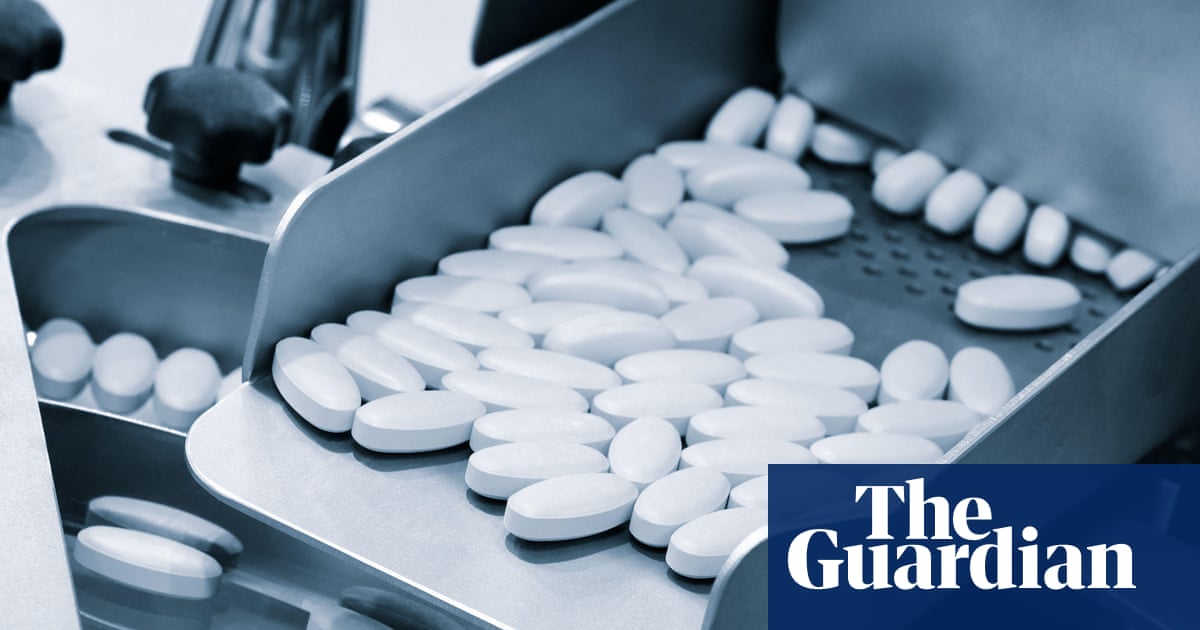
The letter calls on governments to treat medicines as strategic infrastructure, secure health sovereignty and act now to restore Europe’s competitiveness. Photograph: Aleksandr Matveev/AlamyView image in fullscreenThe letter calls on governments to treat medicines as strategic infrastructure, secure health sovereignty and act now to restore Europe’s competitiveness. Photograph: Aleksandr Matveev/AlamyEuropean drugmakers say they are ‘losing ground’ to US and Chinese rivalsSome of continent’s biggest pharma firms write to national leaders calling for action to safeguard their futures
Some of Europe’s biggest pharmaceutical companies have said the continent is “losing ground” to rivals including the US and China in developing new drugs and attracting investment.
The chairs of nine companies, including Britain’s AstraZeneca, GSK and Denmark’s Novo Nordisk, wrote to Andy Burnham and the national leaders of other European countries on Tuesday to call for action to “safeguard our companies’ future”.
The letter, entitled Europe Is Losing the Pharma Investment Race – But the Comeback Is Within Reach, called on governments to treat medicines as strategic infrastructure, secure health sovereignty and act now to restore Europe’s competitiveness.
It argued that the pharmaceutical sector is one of Europe’s great postwar achievements that is supporting millions of highly skilled jobs and generating an EU trade surplus of more than €220bn (£188bn). “But this hard-won inheritance is at risk,” the letter said.
“In our boardrooms, we see Europe losing ground to global competition. Over $600bn in pharmaceutical investment has been announced in the US and China in the last two years alone.
“European governments must create conditions that attract investment in next-generation medicines before it’s too late,” said the letter, which was also signed by the chairs of Germany’s Boehringer Ingelheim, Italy’s Chiesi group, France’s Sanofi and Ipsen, and Novartis and Roche of Switzerland.
Europe’s share of global pharmaceutical research and development has fallen from 43% in 1990 to 31%, according to the European Federation of Pharmaceutical Industries and Associations (EFPIA).
The continent’s share of commercial clinical trials – where new medicines are tested for safety and efficacy before they are submitted for regulatory approval – has halved to 9% from 18% a decade ago. Only 4% of clinical trials are focused on cell and gene therapies.
China has overtaken Europe in clinical trials, pharmaceutical patents, and the development of new medicines. The country’s share of global clinical trials rose from less than 10% to almost 30% over the same period.
Almost half (49%) of newly approved therapies did not reach European patients last year, up from 46% in 2019; those drugs that do take nearly 600 days on average. This varies hugely from country to country: from a median 56 days in Germany to 1,201 days in Romania, according to data from the EFPIA.
The industry body has said the root causes of unavailability and delay to accessing new medicines range from the speed of regulatory processes to insufficient budgets in some European countries.
Closing the clinical trials gap alone could generate €53bn and create 82,000 jobs in Europe, the nine pharma companies argued in the letter.
“We ask national leaders to work with us to reverse Europe’s declining competitiveness, unleash a new era of medical discovery, and secure health sovereignty. We recognise the fiscal pressures many face. But just like defence or energy, modern medicines should be treated as vital infrastructure and not be left to others to provide,” the letter said.
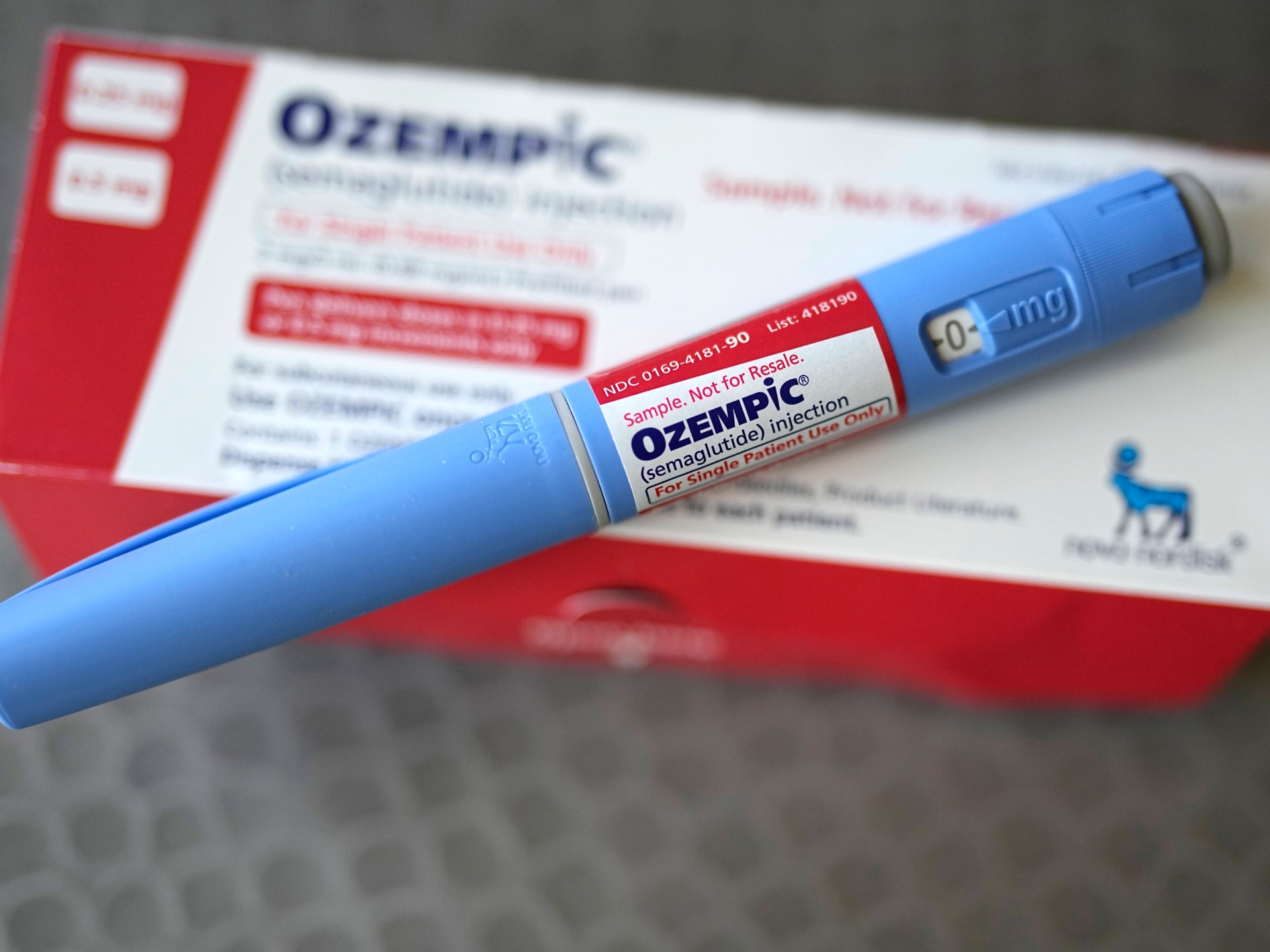
It was signed by industry leaders including Michel Demaré, the chair of Britain’s biggest pharmaceutical company, AstraZeneca; Jonathan Symonds, his counterpart at GSK, the country’s second-biggest drugmaker; Lars Rebien Sørensen, the chair of the Wegovy and Ozempic maker, Novo Nordisk; Severin Schwan at the Swiss company Roche; Giovanni Caforio at fellow Swiss firm Novartis, and Frédéric Oudéa at France’s Sanofi.
It comes after a public row last year between the industry and the UK government over drug pricing and availability of new treatments to patients. Ministers agreed in December to spend billions of pounds a year extra on medicines supplied to the NHS after pressure from Donald Trump, who argued that high drug prices in the US were subsidising lower prices elsewhere.