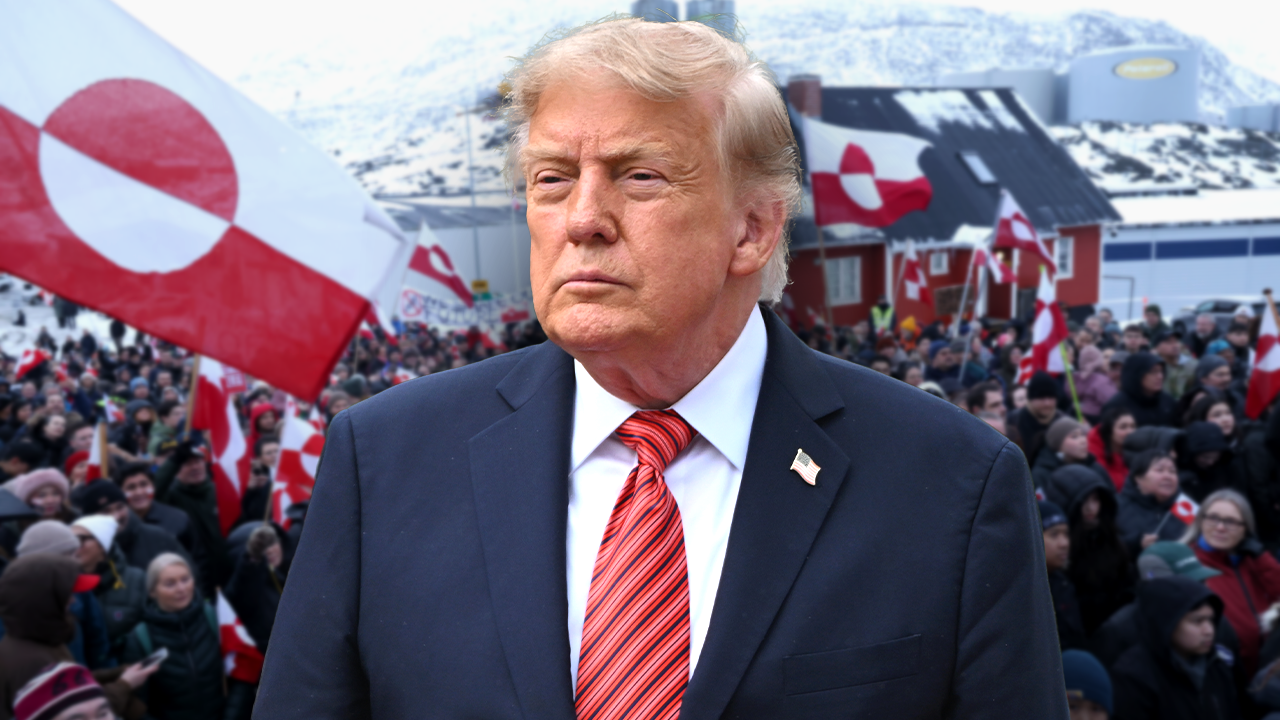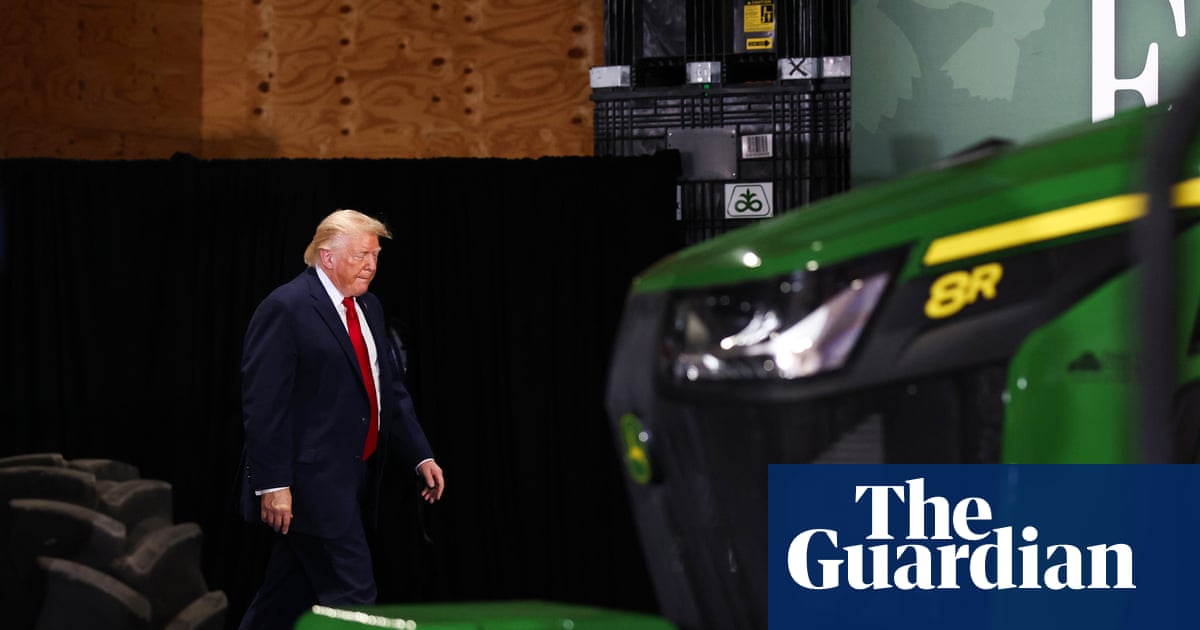
Trump speaks at a farmers’ roundtable event in Chippewa Falls, Wisconsin in July. Photograph: Samuel Corum/Getty ImagesView image in fullscreenTrump speaks at a farmers’ roundtable event in Chippewa Falls, Wisconsin in July. Photograph: Samuel Corum/Getty ImagesKey ally urges Trump to back US farmers amid anger over rising pricesIowa senator Chuck Grassley calls for embargo on diesel exports as tariffs and Iran war drive up costs for sector
Donald Trump is facing growing calls, including from within his own party, to boost support for US farmers as his administration faces mounting anger over its treatment of the agricultural sector.
Republican senator Chuck Grassley of Iowa called on the US president to place an embargo on diesel exports this weekend and help farmers grapple with high prices.
Grassley, who is largely aligned with Trump, suggested the embargo in multiple social media posts, calling on the president to issue a 1970s-style embargo on diesel and agricultural products to help farmers.
“If our [government] can embargo chips to China it can embargo diesel to help American farmers & truckers,” Grassley wrote on Sunday. “We need our family farmers who feed&fuel the world [to be] on the strongest footing possible no matter what’s happening across the globe.”
For months, farmers – traditionally a reliable Republican voting base – have been angry with the Trump administration because they believe some of its policies adversely affect them.
That includes tariffs, which have driven up the cost of fertilizer, machine parts, seed and more; increasing beef imports to lower prices for Americans, which undermines domestic producers; and the Iran war, which has made it more expensive for farmers to operate machinery and transport products.
The national average cost of diesel was $6.51 as of Sunday, according to AAA. In Iowa, it was slightly lower at $6.31 – still nearly $3 more than the cost one year ago.
Gas prices are not the only rising cost Americans are facing as a result of the Iran war. Groceries have also become more expensive, and the Trump administration has sought to lower some of those prices, particularly beef, by allowing 300,000 metric tons of overseas beef trimmings to enter the US at a reduced tariff rate.
But domestic farmers in the US, who are already struggling with smaller herds, say the decision will increase competition and make it more difficult to sell their own.
“It takes something big to change long-established voting patterns, but I think there’s a possibility that the Trump administration has done things that are big enough and bad enough from the standpoint of rural America to make some of the voters who shifted a decade ago reconsider their choice,” William Galston, a senior fellow at the Brookings Institution, told the Washington Sun.
Ryan Marquardt, the vice-president of the Iowa Farmers Union, told the Washington Sun he had “never seen farmers more pissed” than when Trump raised the imports of foreign beef.
Farmers’ outrage toward the Trump administration has worried Republican politicians, such as Grassley, whose base includes farmers and rural voters. As November’s midterms approach, some politicians closely aligned with farmers have publicly broken with Trump, while others have sought ways to adjust the president’s policies.
Iowa congresswoman Ashley Hinson, historically a Trump ally, recently adjusted her campaign strategy to highlight her work across the aisle and has repeatedly voiced opposition to the president’s tariff policies that have affected farmers.
When asked by the Gazette, an Iowa newspaper, whether a vote for her would be a vote for Trump last week, Hinson replied: “I vote for me is a vote for commonsense policies, and no matter who is in the White House. That’s what I’m going to focus on.”
Grassley, meanwhile, suggested an embargo on diesel, akin to the Trump administration’s embargo on semiconductor chips – though that specific embargo was considered national-security related.
When asked for comment, the White House pointed to statements from energy secretary Doug Burgum and executive director of the national energy dominance council, Jarrod Agen, at a G20 meeting in Houston earlier this month.
Agen and Burgum dismissed the possibility of implementing a ban on diesel, gasoline or crude oil. “We would consider an export ban if we thought that actually might lower prices, but that’s not the case,” Burgum told reporters.