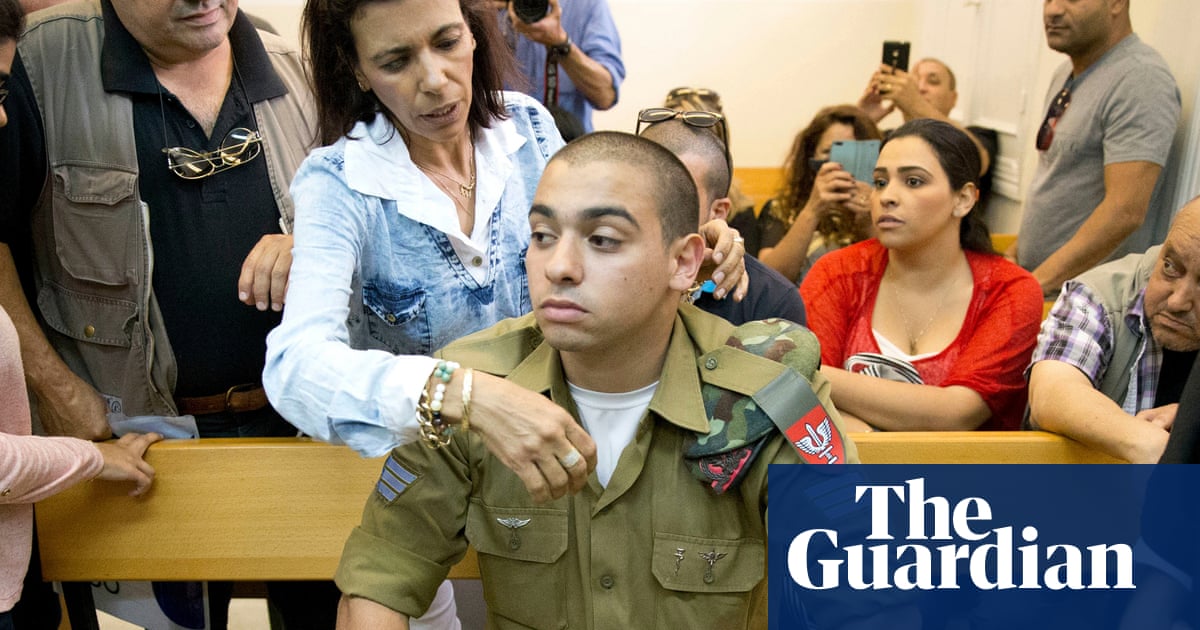
Elor Azaria, pictured in an Israeli military court in April 2016, was 20 when he was sentenced. Photograph: Ariel Schalit/APView image in fullscreenElor Azaria, pictured in an Israeli military court in April 2016, was 20 when he was sentenced. Photograph: Ariel Schalit/APIsraeli president pardons combat medic who shot dead wounded Palestinian attackerElor Azaria’s conviction in 2017 for manslaughter of man who stabbed soldier continues to divide country
Israel’s president has pardoned a combat medic who shot dead a badly wounded Palestinian attacker who had stabbed a soldier in the occupied West Bank, in a case that divided the country a decade ago.
Elor Azaria’s conviction in 2017 for manslaughter and his release after serving two-thirds of his 18-month sentence drew enormous attention in Israel, where military service is compulsory for most Jewish men.
In his first interview after his release, Azaria said he would “act exactly the same, because that’s how I needed to act”.
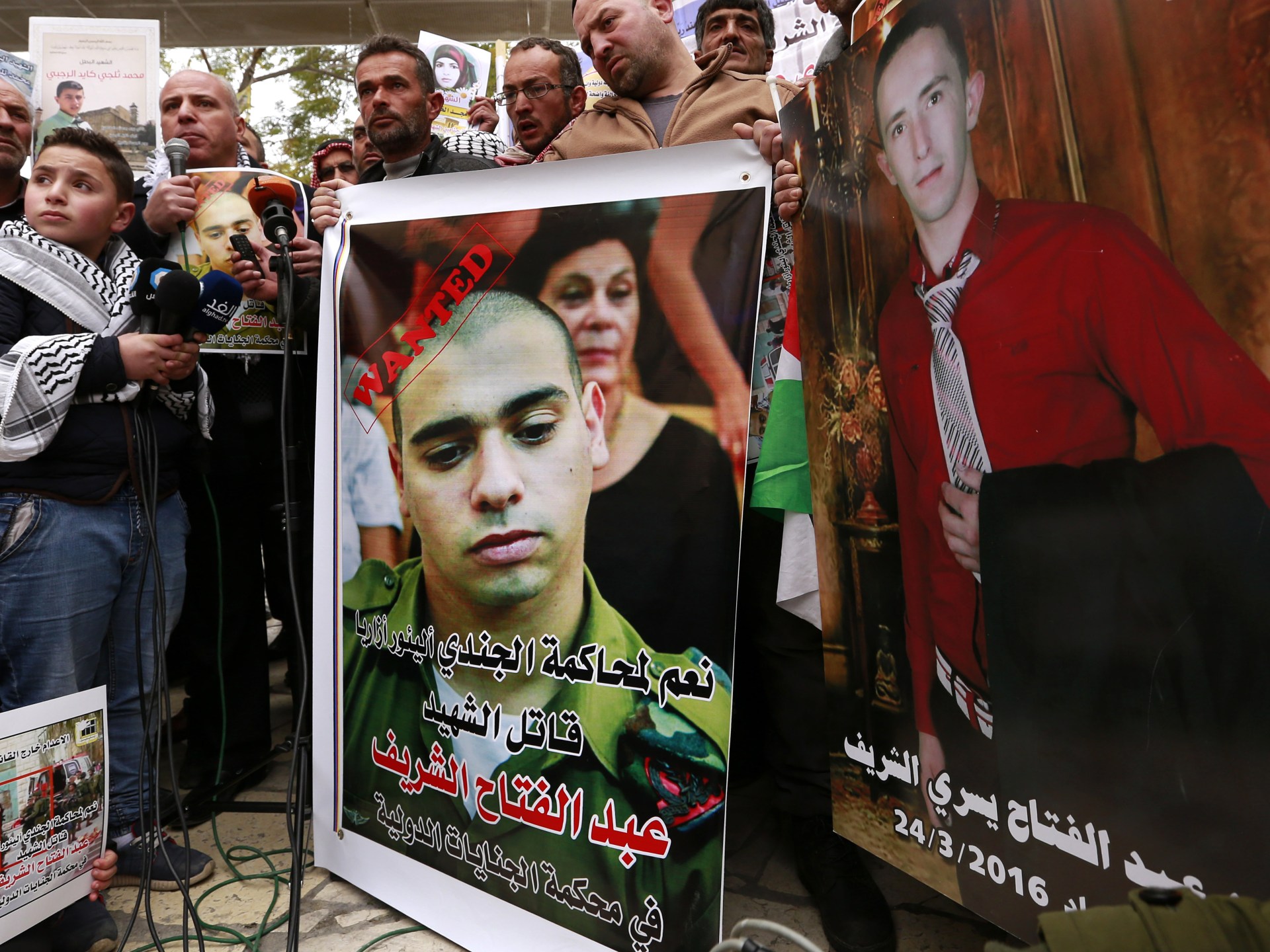
Azaria had approached Abdel Fattah al-Sharif as he lay on the ground, unarmed and badly hurt, after stabbing a soldier in the city of Hebron. A mobile phone video captured Azaria shooting al-Sharif in the head.
The office of president Isaac Herzog said in a statement on Saturday that he acted on the recommendation of defence minister Israel Katz. The statement cited the time that had passed, and the spirit of the approaching Yom Kippur, or Day of Atonement, holiday as among the factors in the decision.
Read moreHerzog’s office also said that Azaria, who was 20 when he was sentenced, had “expressed his sorrow” in his request. The statement noted that in an earlier request, he called his gunshot an “operational error”.
In a separate statement, Katz called it a “right, humane and fitting decision” and said Azaria had been in a “complex operational mission”.
But the military’s chief of staff, Lt Gen Eyal Zamir, had said in a letter to the defence minister that the pardon should not be granted, Israeli media reported.
The conviction was a rare case of a military court ruling against a soldier for deadly action taken in the field. Top generals had pressed for his prosecution, while many in the Israeli public supported Azaria at a time when there had been a series of stabbings and car-ramming attacks by Palestinians or Israeli Arabs. Some supporters protested outside his trial.
On Saturday, Israel’s hard-line national security minister Itamar Ben-Gvir said in a statement that “cancelling the criminal record of someone who killed a terrorist makes me emotional and very happy”.
Some Palestinians and human rights groups had described Azaria’s sentence as far too lenient. Prosecutors had sought a sentence of three to five years.
The statement by Herzog’s office on Saturday said that his decision “does not constitute a reassessment of the case”.
The divisions over Azaria’s case led to public polling and political pressure that led the defence minister at the time, Moshe Ya’alon, to resign.
After the verdict, Israeli prime minister Benjamin Netanyahu called for Azaria to be pardoned.
After the sentencing, the Palestinian government minister in charge of prisoner affairs, Issa Karaka, called it a “joke”.