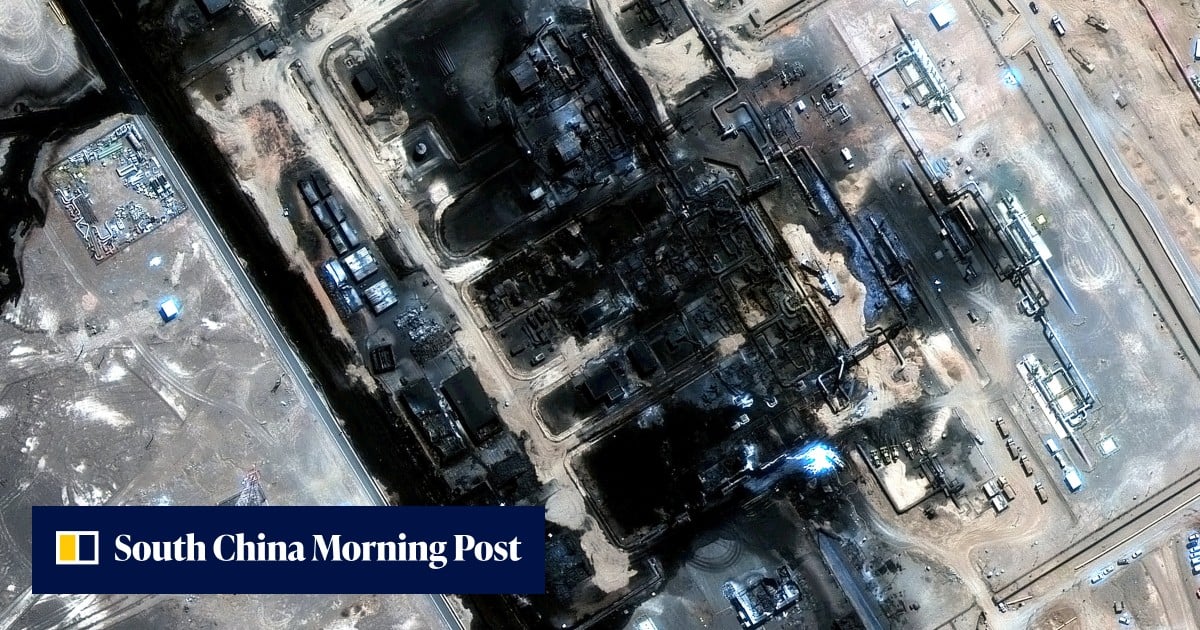
Experts say the loss will hit Asian refiners first before feeding through to inflation, currencies and economic growth across the region
4-MIN READ4-MIN ListenBiman MukherjiPublished: 9:50pm, 18 Sep 2026Asian economies heavily dependent on imported energy are facing an even sharper squeeze after the shutdown of Saudi Arabia’s East-West pipeline removed a key escape route from the disruption in the Strait of Hormuz, deepening an energy shock that has already pushed crude oil above US$100 a barrel.
Analysts said the loss of that bypass would hit Asian refiners first before feeding through to inflation, currencies and economic growth across the region.
Saudi Arabia, the world’s largest oil exporter, confirmed that the pipeline was shut as a precaution following an attack last week but did not disclose the extent of the damage, the number of affected pumping stations or a timetable for restarting operations, according to a Rystad Energy report on Monday.
The closure leaves Saudi Arabia with fewer ways to keep crude moving to Asian buyers, raising the risk of delayed or reduced deliveries if the outage drags on.