Add The New York Post on Google Leftism’s flaw is that it cares too much.
Leftists are kind, generous people who just don’t understand the practical consequences of their ideas.
They feel too deeply and try too hard to prevent inequality as they live in a fantasy world of rainbows and unicorns.
There may be a few such “useful idiots” (as Lenin called them) on the left, but these last few months the masks have been coming off.
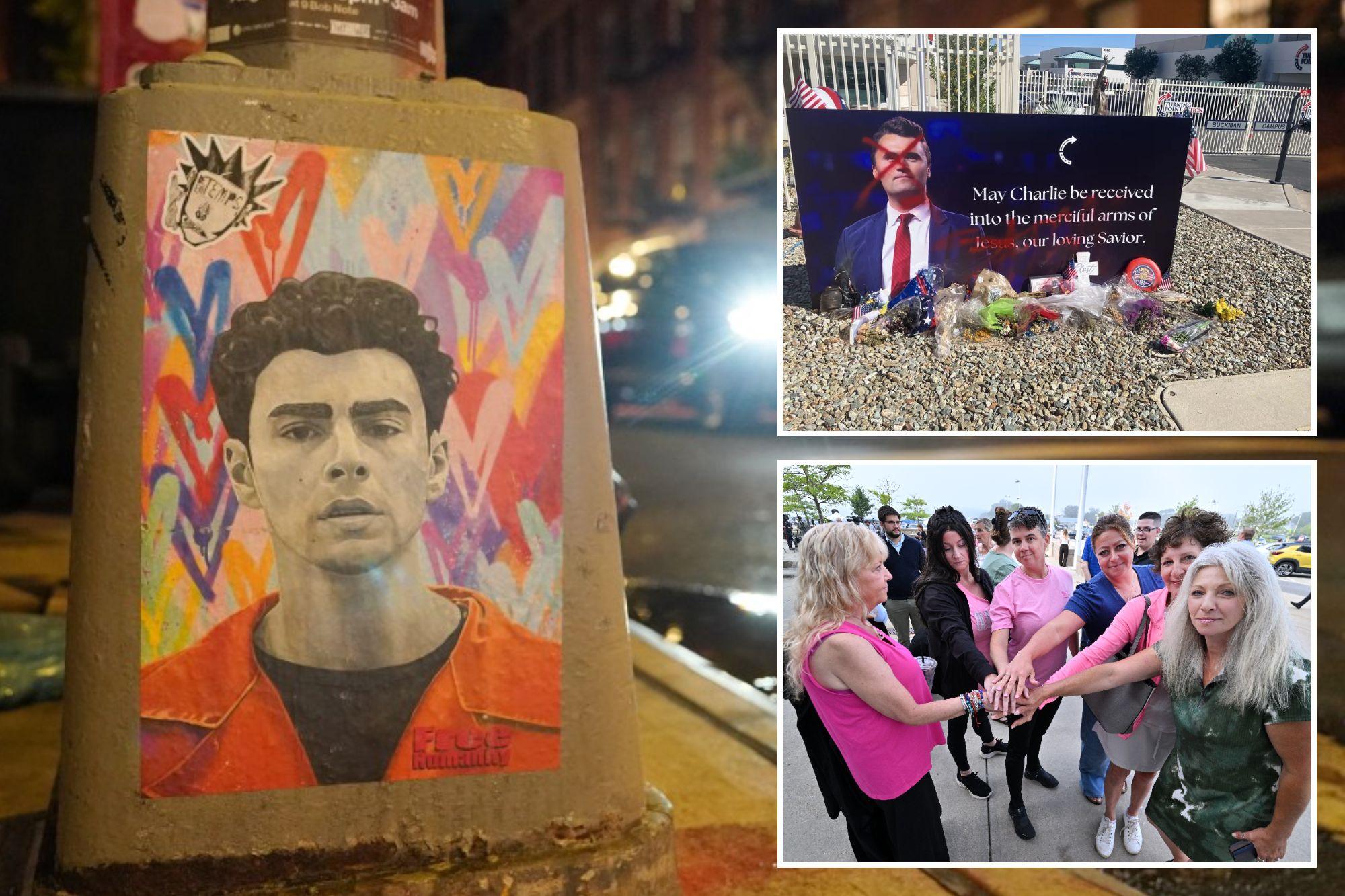
Arguably the big reveal began with the leftist celebration of Luigi Mangione, who murdered UnitedHealth CEO Brian Thompson in late 2024.
It was a watershed moment: Suddenly, many on the left felt free to proclaim that they saw killing CEOs as virtuous.
And in recent weeks the vitriol has flowed ever more openly.
Now it isn’t just CEOs; when Erin Placenti, a 32-year-old Bank of America vice president, was fatally stabbed last month by a nut in Times Square, leftists cheered because she worked for a bank that had issued a “buy” recommendation for Israeli bank stocks.
Last week, the anniversary of Charlie Kirk’s assassination — which occurred while he was politely debating leftist college students in an open forum — spurred “Happy Kirkiversary” and “Merry Kirkmas” outbursts on campuses around the nation.
Drag performers have reveled in his death: One currently touring show features a performer dressed as Kirk with blood pouring from his neck; another, billed as a drag fundraiser for the ACLU, had a drag queen dolled up like Charlie’s widow Erika Kirk, theatrically weeping.
(How darkly ironic to exploit the death of a true free-speech martyr to raise money for a supposed free-speech organization.)
Meanwhile, a lone black man who stood up to the bullying of 11 white jurors to prevent the acquittal of confessed killer Lindsay Clancy has been subjected to widespread threats and character assassination by fellow jurors, the media, Clancy’s defense lawyer (as well as his wife) and a host of ghouls via TikTok.
More and more, leftists support violence and threats of it against anyone who openly disagrees with them, or stands in their way, on the grounds that such dissidents are bad people and deserve it.
Or that they deserve violence based merely on their race, as Carnegie-Mellon University Prof. Uju Anya has repeatedly declared on X.
Anya, who attained notoriety for wishing Queen Elizabeth II “an agonizingly painful death” and cheering Rush Limbaugh’s demise, was challenged last week for her macabre habit of rejoicing at the deaths of white people.
Her reply: “Die first, white man, then ask yourself why I’m dancing.”
Likewise, Texas Senate candidate James Talarico says white men are America’s top terror threat, and that he prays to overcome his own “whiteness.”
He seems to regard himself as a “non-practicing white person,” a term that has taken hold in some sectors of the left.
Nowhere in America is open racial hate as common as among the far leftists who dominate the Democratic Party.
And sometimes the hate is purely political — the type that leads people like Shelly Headen, a Democratic candidate for North Carolina’s state legislature, to post a picture of herself in front of the ovens at the Dachau concentration camp and caption it, “This is where Trump supporters belong.”
Leftism is steeped in hatred and revenge even when it’s disguised as help for the poor.
Its “help” is always focused on taking money from those who have done better — never on helping poor people themselves do better, via things like school choice or safe streets or limiting job competition from illegal immigration.
It’s no fun helping poor people if it doesn’t hurt your enemies, and it’s fun to hurt your enemies even if it doesn’t help poor people.
The roots of modern leftism are planted deep in the French Revolution — which produced the Terror, the first true police state, and eventually a military dictatorship and wars that killed millions — and in Karl Marx, who together with Friedrich Engels (neither of whom ever held a real job) called for a bloody revolution ending in the dictatorship of the proletariat.
It’s all about envy, and about a desire for power and importance on the part of people who haven’t risen as high in existing society as they think they deserve.
These feelings of inadequacy and envy get expressed as violence.
Glenn Harlan Reynolds is a professor of law at the University of Tennessee and founder of the InstaPundit.com blog.