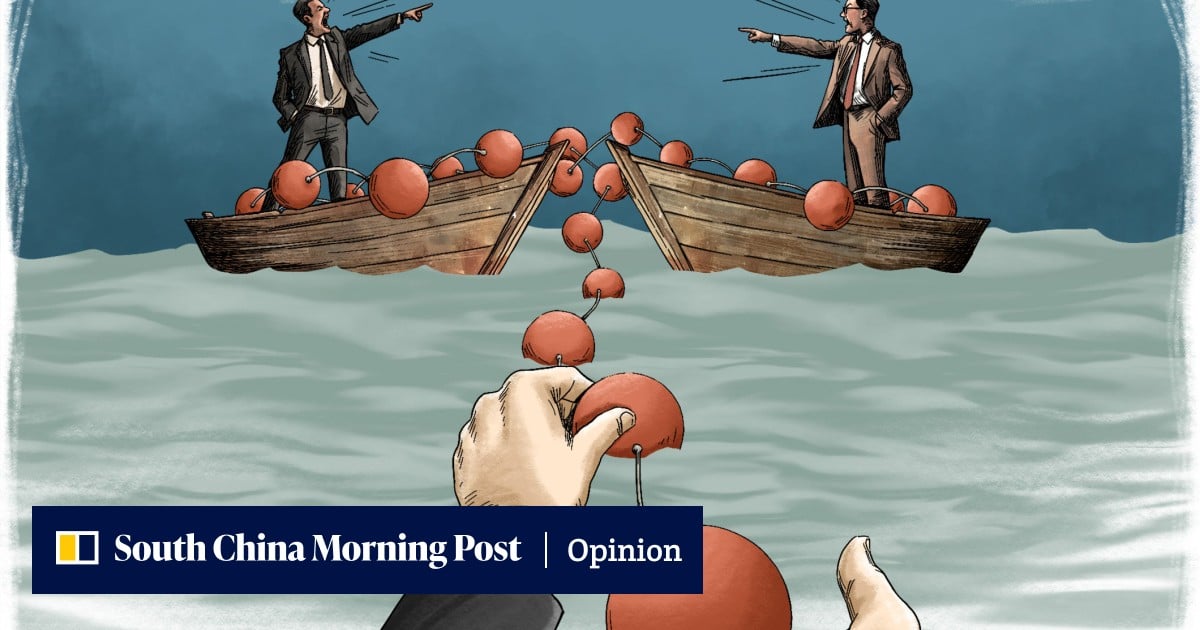
Cambodia’s compulsory conciliation with Thailand under UN sea law shows how international law can deliver peaceful outcomes before tensions boil over
3-MIN READ3-MINMakane Moïse MbengueMakane Moïse Mbengue is professor of international law at the Faculty of Law of the University of Geneva and director of the Department of International Law and International Organisation. Published: 5:30am, 11 Sep 2026The ocean looks like peace from afar and truth up close, they say. But beneath the waves, the map of the world’s oceans is far less settled than it looks. Today, dozens of sea borders remain unresolved. Like so many conflicts, they owe their origins to complicated questions of where one country’s territory ends, and another’s begins.
Many involve overlapping claims to areas rich in resources; and a disproportionate number concern the waters of the Global South. Africa’s coastline is a stark example. The continent has the highest number of unsettled sea boundaries. These disputes are liabilities, and at the worst possible time.
Global conflicts are not just disrupting energy markets, but the legal order that maritime security, and much else, depends on. The need for governments to engage with these disputes has rarely been more urgent, and there is no better time for the Global South to show how international law can and should provide solutions.