New York Post Composite See more of our coverage in your search results.
Add The New York Post on Google For a technology that involves doing absolutely nothing but basking in some light rays, red light therapy (RLT) is wildly effective.
Whether you’re treating acne, thickening hair, softening fine lines, speeding muscle recovery, or just looking to biohack your way to a better mood, red light has entered the chat. Once reserved for dermatologists and expensive med spas, at-home RLT devices now come in all shapes, sizes, and wavelengths.
What makes red light therapy so powerful? It works at the cellular level, stimulating mitochondria (the energy powerhouses of your cells) to produce more ATP (adenosine triphosphate), the fuel your body uses to repair itself. That translates to brighter skin, faster muscle recovery, and even improved sleep.
Studies suggest stacking red light therapy with methylene blue — yes, that vivid blue liquid with fans including RFK Jr. going viral for its nootropic benefits — can supercharge results by enhancing mitochondrial function even further. Think of it as adding rocket fuel to your already glowing engine.
So whether you’re a fitness junkie, a skincare maximalist, or just want to look hotter and live longer (don’t we all?), here are the best red light therapy devices worth investing in.
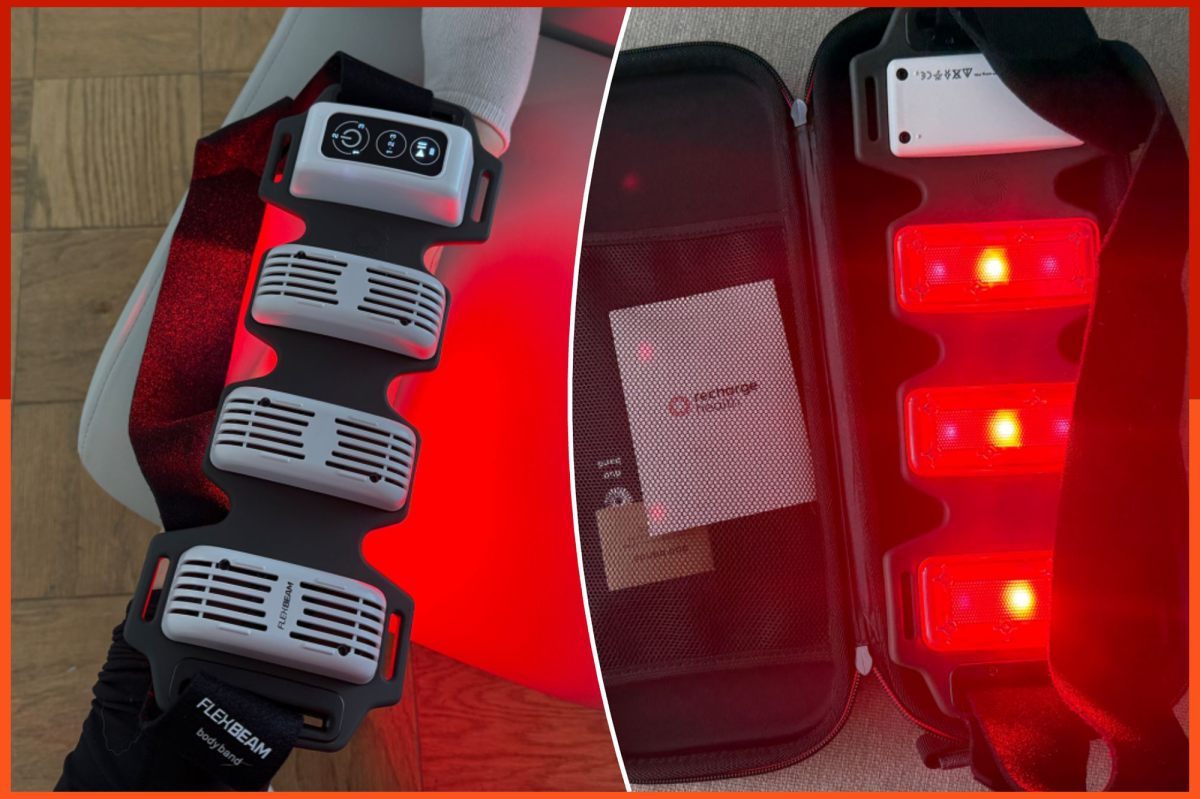
Whether you’re an athlete or someone who simply spends a lot of time on foot, this device gives your muscles some much-needed TLC. It delivers targeted red and near-infrared light deep into your muscles and joints to alleviate pain and expedite recovery.
Carrie Berk This is particularly beneficial for runners who want some relief post-training without leaving the comfort of their couch. Simply place the device on your thighs, shins, arms or back to ignite cellular energy production.
Type: Cordless, wearable device | Time Commitment: 20 to 30 minutes per session | Results: 3 weeks of use
Red light therapy can actually be used to improve gum circulation and boost the overall health and freshness of your mouth. Choose from four custom modes of red (660nm) and near infrared (830nm) light during your daily brushing. It’s also great to incorporate into your routine if you’re recovering from a dental procedure.
Type: Cordless | Time Commitment: 2 minutes per session, twice a day | Results: 2-4 weeks
Sometimes, you just don’t have time to make it to the spa. So multitask instead: take care of your skin and catch up on TV while you lounge in this mask, which features enhanced eye protection. It has three times as many LED lights (360 medical-grade) as other competitive brands, ensuring full-face coverage.
It emits three different types of light — red (635nm) infrared (830nm) and blue (415nm) — that actively fight against signs of aging, reduce hyperpigmentation and crow’s feet and prevent acne.
Type: Cordless, wearable device | Time Commitment: Three to five 10-minute treatments per week | Results: 2-4 weeks
If your primary goal is to channel your inner beached seal, the CurrentBody Skin LED Mask is a derm-favorite for a reason. This silicone mask molds to your face like a second skin and uses clinically proven red and near-infrared wavelengths to improve elasticity, smooth fine lines, and reduce redness. It’s hands-free and fits flush against the skin, which means more effective absorption and a spa-like experience without the $200 facial.
This is the mask you’ve seen all over TikTok (including on A-list celebs who pretend to be low-maintenance). It’s gentle enough for daily use, with results visible in as little as four weeks — and it doesn’t make you look like a cyborg with rage issues, which is nice.
Type: Flexible silicone face mask | Time Commitment: 10 minutes per session, 3–5 times per week | Results: Within 4 weeks
Finally — a wearable red light device designed for more than your cheekbones. The Kineon MOVE+ Pro is a modular, strap-on device built to deliver red (650nm) and near-infrared (808nm) light therapy directly to joints, tendons, and muscle groups, making it ideal for knees, shoulders, ankles, or even wrists. It’s wireless, rechargeable, and completely portable, so you can wear it during work, rest, or while plotting your revenge on whomever caused your tendinitis.
Unlike most wraparound devices that deliver weak surface light, the MOVE+ Pro uses laser diodes and LED combinations to penetrate deeper tissues and reduce inflammation where it actually starts. If you’re dealing with chronic pain, sports recovery, or even arthritis, this is a legit wearable solution, not just red light cosplay.
Type: Cordless, modular wearable device | Time Commitment: 5–15 minutes per session, once or twice daily | Results: 2–4 weeks of consistent use
Hair thinning? Scalp inflammation? Low-level laser therapy (LLLT) is one of the few scientifically backed methods to stimulate hair regrowth and improve scalp health, without relying on minoxidil or panic-buying hats. The Mito Red Light Professional Laser Therapy Helmet uses 200 diodes and a combination of red and near-infrared light to improve circulation and cellular regeneration at the follicular level.
It’s FDA-cleared, hands-free, and comfortable enough to wear while scrolling, emailing, or spiraling in silence on your couch. With consistent use (think 3 times per week, 20 minutes per session), studies show LLLT may help restore hair density and quality, especially for androgenic alopecia. You won’t see results overnight, but with patience, this helmet can quietly change the game — no greasy serums required.
Type: Cordless helmet | Time Commitment: 12-minute sessions every other day | Results: Within 3–6 months of consistent use
Wait, red light for your lips? Turns out, the LED isn’t only about its anti-aging properties. This compact device emits seven wavelengths of targeted light and offers four treatment modes that plump lips, whiten teeth, soothe gums and fight cold sores. And yes, it also helps smooth fine lines on the skin surrounding the lips and mouth.
Every order comes with a complimentary GLOwhite Teeth Whitening Gel as an extra gift.
Type: Cordless | Time Commitment: 10 minutes per session | Results: Within a few hours or days
To determine the best red light therapy devices, we tested models across various formats, including masks, wands, panels, and hybrids. We evaluated ease of use, LED power output, safety certifications (FDA clearance or medical-grade classification), and effectiveness for various use cases — skin clarity, muscle soreness, inflammation, and mood.
Devices were tested over a 2-week period for consistency, comfort, visible improvements, and overall user experience. Bonus points were given for portability, battery life, and thoughtful design features like auto shut-off, timers, and accessories.
Red light therapy (RLT), also known as low-level laser therapy (LLLT) or photobiomodulation (PBM), is a non-invasive treatment that utilizes specific wavelengths of red and near-infrared light (typically between 600 and 1000 nanometers) to stimulate cellular activity. This light penetrates the skin and is absorbed by the mitochondria — the energy-producing components of cells — enhancing the production of adenosine triphosphate (ATP).
Increased ATP production can improve cellular function, promoting healing and regeneration. Clinical studies have demonstrated that RLT can aid in skin rejuvenation, reduce inflammation, alleviate pain, and support hair growth. For instance, research has shown that RLT can effectively treat conditions like acne vulgaris and androgenetic alopecia, and improve skin texture and tone.
While RLT shows promise in a number of therapeutic areas, it’s important to note that its efficacy can vary depending on the condition being treated and the levels of the therapy, such as wavelength, dosage, and treatment duration. Some studies have reported benefits in muscle recovery and pain reduction, particularly in conditions like knee osteoarthritis. However, more extensive and standardized clinical trials are needed to fully establish optimal treatment protocols and long-term safety.
Additionally, while we love an at-home RLT device since they are widely available and considered safe, they may be less powerful than professional-grade equipment. And, of course, as with any therapeutic treatment, it’s advisable to consult with a healthcare professional before starting RLT to ensure it’s appropriate for your specific health needs.
Red and near-infrared light penetrates the skin and stimulates mitochondrial function to produce more adenosine triphosphate (ATP), boosting cellular regeneration and reducing inflammation. This helps improve skin tone, muscle recovery, and even mood.
Yes, red light therapy is considered safe when used as directed. Most high-quality devices are FDA-cleared and emit wavelengths that do not damage DNA or cause burns. However, protective eyewear is recommended when treating areas near the eyes.
Methylene blue can enhance mitochondrial activity and may synergize with RLT when used carefully. It acts as a redox agent and can improve the electron transport chain function when activated by light. However, consult a healthcare provider before combining the two.
Most studies suggest that 3 to 5 sessions per week, lasting 10 to 20 minutes, are beneficial for the skin. Muscle recovery may benefit from daily use, depending on intensity. Always follow manufacturer guidelines.
Red light (around 660nm) targets the surface of the skin — great for treating wrinkles and acne. Near-infrared light (around 850nm) penetrates deeper into tissue and muscle, helping with joint pain and recovery.
Absolutely. The RLT market ranges from sketchy Amazon gimmicks to professional-grade equipment used in clinical settings. Here’s how they differ:
Here are the recommended key criteria to consider:
For over 200 years, the New York Post has been America’s go-to source for bold news, engaging stories, in-depth reporting, and now, insightful shopping guidance. We’re not just thorough reporters – we sift through mountains of information, test and compare products, and consult experts on any topics we aren’t already schooled specialists in to deliver useful, realistic product recommendations based on our extensive and hands-on analysis. Here at The Post, we’re known for being brutally honest – we clearly label partnership content, and whether we receive anything from affiliate links, so you always know where we stand. We routinely update content to reflect current research and expert advice, provide context (and wit) and ensure our links work. Please note that deals can expire, and all prices are subject to change.