Beijing’s response reflects a calculation that the deal’s fragility will soon show. Energy dominance is not seized by executive order – it is earned through capital, technology and time
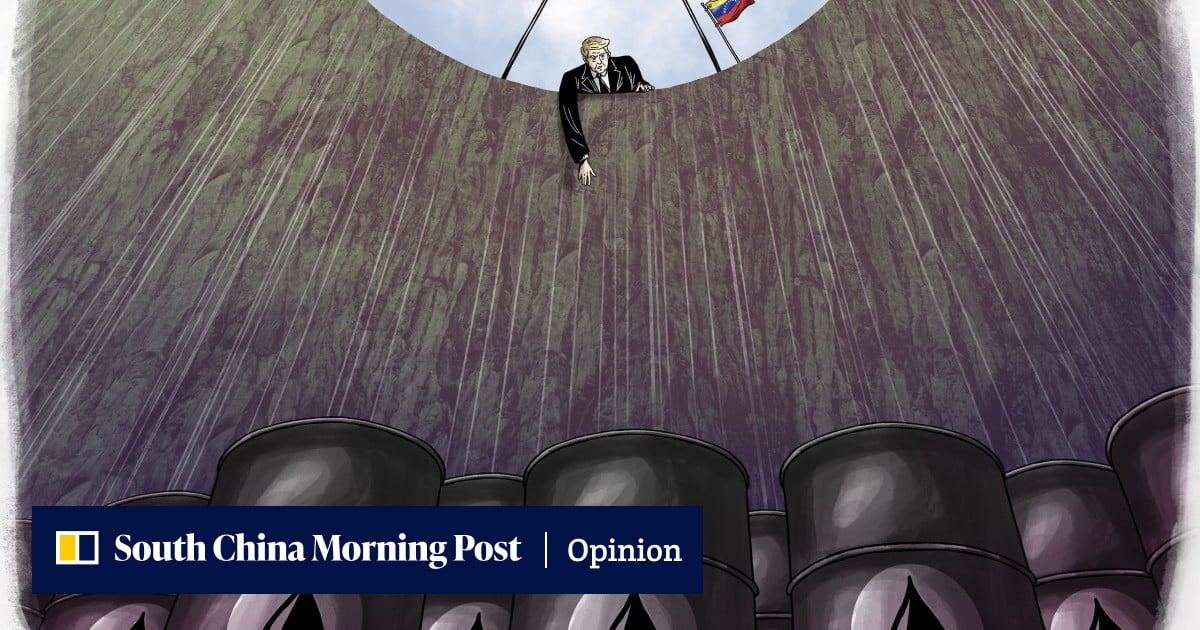
4-MIN READ4-MINWenran JiangWenran Jiang, the founding director of the China Institute and Mactaggart Research Chair Emeritus at the University of Alberta, is an adviser at the Institute for Peace and Diplomacy. Published: 5:30am, 9 Sep 2026When US President Donald Trump announced on August 28 that the United States had secured majority control over some 65 billion barrels of Venezuelan oil through a private company, the North American Blue Energy Partners (NABEP), he called it “the biggest oil deal in history”.The White House fact sheet provided the details: NABEP’s 100-year concessions on 17 oilfields with 65 billion barrels of proven reserves, a 35 per cent Pentagon stake, a 20 per cent State Department offtake at cost with right of first refusal, and a Washington veto over the appointment of board members, the majority of whom must be US citizens.
Reuters quoted an unnamed US official as saying, “We are opening up the United States as the market for this oil, which was previously being sent to China.” Rather than sanctions, this is the forced displacement of a strategic competitor’s energy operators in a third country through a US government-controlled proxy.
Venezuela’s interim president Delcy Rodriguez projects US$209 billion in royalties and taxes over 25 years; the White House puts the figure at around US$200 billion.