Image source, Getty ImagesByBrandon DrenonPublished8 September 2026, 15:40 BSTUpdated 30 minutes agoThe lawyer for the Massachusetts woman accused of murdering her three children said he hoped to reach an agreement with prosecutors, after the case ended in a mistrial on Friday.
Kevin Reddington said he was upset that a lone member of the jury clung to the belief that Lindsay Clancy was guilty, even though the juror was said to have had doubt.
To find Clancy guilty, jurors needed to be convinced beyond a reasonable doubt that she intentionally killed her children - Cora, Dawson and Callan - and was not experiencing a psychotic break.
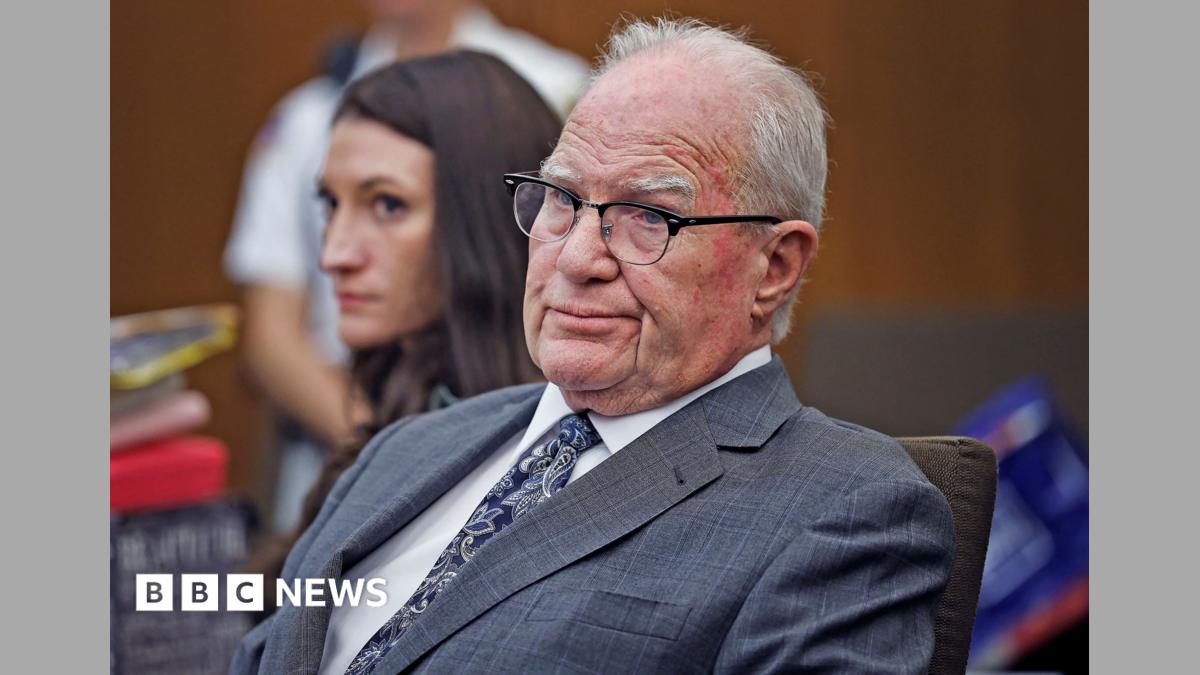
Reddington made the comments during an interview with ABC's Good Morning America on Tuesday, where he also appealed to President Donald Trump to pardon Clancy.
"I would hope that you would consider this young lady, the type of person she is, what she's been through, and consider a pardon," Reddington said.
Clancy is being prosecuted for state charges, which Trump does not have the authority to pardon. That power lies with Massachusetts Governor Maura Healey.
Reddington also said he hoped the district attorney prosecuting the case "would be able to work something out that would be acceptable to both sides".
The BBC has contacted the district attorney for Plymouth County, Massachusetts.
"I'm willing to listen to Tim," Reddington said about District Attorney Tim Cruz, calling him a "hard-charging prosecutor."
Meanwhile, Reddington has said he intends to file a motion essentially requesting that the mistrial be reconsidered. That could come up at a hearing later this month.
The jury's deadlock came after weeks of trial, days of deliberations, and multiple requests by the judge on the case urging both sides to work to come to an agreement.
The jury was weighing a range of options, from not guilty by reason of insanity to manslaughter and first-degree murder.
The 12-member jury appeared to nearly reach a consensus, except for a single holdout who, Reddington said, "would not apply the law of reasonable doubt" as instructed by the judge.
"That's not right," he said. "And that's why I was upset."
Throughout the trial, prosecutors called dozens of witnesses, including several doctors, seeking to prove Clancy had made a calculated decision to murder her children in the basement of their Massachusetts home in January 2023.
Clancy does not deny killing the three, but says there was no premeditation and she was experiencing psychosis at the time. For her to be convicted of first-degree murder, a jury would have to believe she planned the killings.
Reddington, meanwhile, called experts and witnesses to support the argument that Clancy had experienced postpartum psychosis after the birth of her last child months earlier, and that she had repeatedly sought medical attention. Postpartum psychosis is a rare condition and medical emergency where patients can exhibit mania, depression or a mixture of both.
One of the major points of contention was defence testimony that Clancy had believed she heard voices telling her to kill her three children on the day they died. The prosecution's experts cast doubt on the claim, with one saying it was unusual for Clancy to have only heard voices on the day of the killings.
Lindsay Clancy murder trial has divided US on whether she's victim or criminal
What happens next after Lindsay Clancy's murder case ends in a mistrial?
Throwing papers, hurling a ninja star - Lindsay Clancy lawyer creates courtroom spectacles
Lindsay Clancy murder case ends without verdict as judge declares a mistrial